
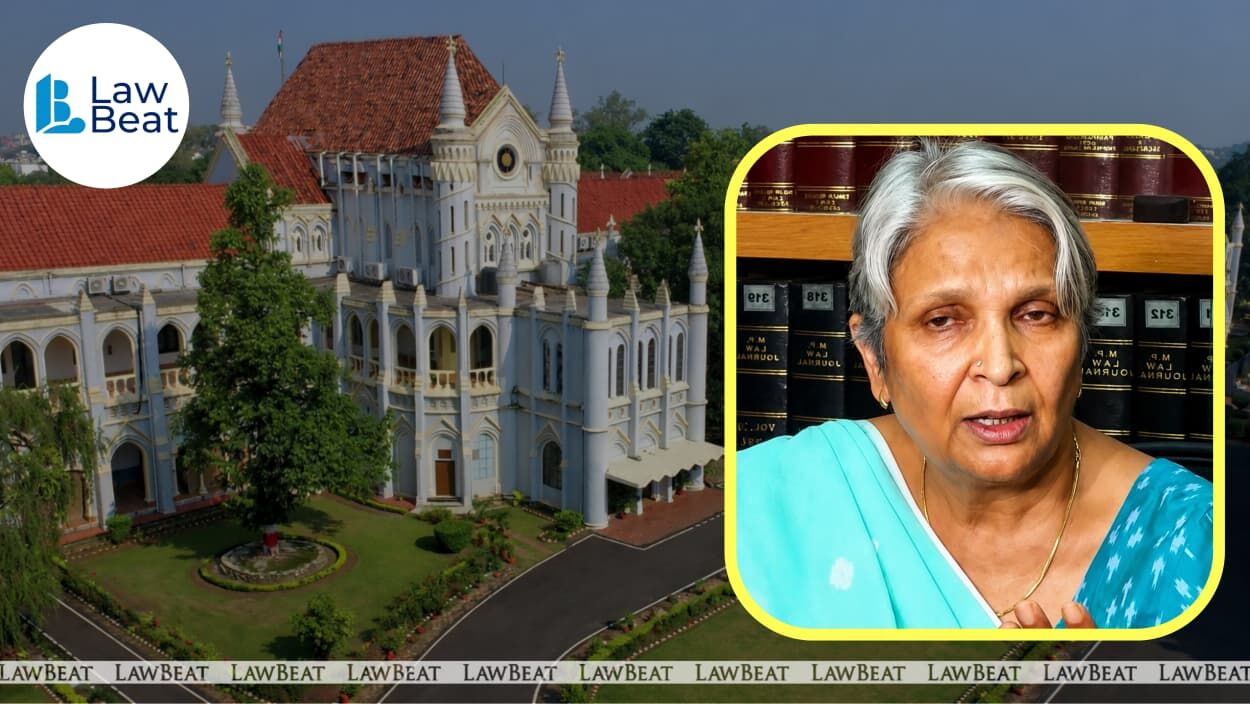
Madhya Pradesh HC Denies Bail to Former Judge Giribala Singh in Twisha Sharma Dowry Death Case
Summary
- Former District Judge Giribala Singh has been denied bail in the Twisha Sharma dowry death case.
- The CBI court rejected her plea due to concerns that her release could compromise the investigation.
- The case has raised questions about the impartiality of the justice system and the need for robust investigation and prosecution processes.
- Both accused parties, Giribala Singh and Samarth Singh, whose license to practice law has been suspended, are facing charges of dowry death under the Bharatiya Nyaya Sanhita 2023.
- The Supreme Court intervened in the case, citing concerns about a judicial officer's involvement and its potential impact on public confidence in the justice system.
What Happened
The court held that none of these grounds outweighed the seriousness of the allegations or the evidence collected.
Former District Judge Giribala Singh has been denied bail in the Twisha Sharma dowry death case, with a CBI court rejecting her plea last month. The court's decision was based on concerns that Singh's release could compromise the investigation, given her status as a former judge and the institutional influence it carries and potential to interfere with witnesses or evidence. This is not the first time Singh has sought bail; she had previously moved the Madhya Pradesh High Court, which quashed her anticipatory bail on May 27, 2026. A special court in Bhopal subsequently rejected her bail plea on July 25, 2026, and her judicial custody was extended until August 11, 2026, with the CBI directed to submit its final report by that date.
The Twisha Sharma case has been marked by controversy from its inception. The 25-year-old model and actor was found dead at her matrimonial home in Bhopal's Katara Hills just five months after marrying Samarth Singh. Her family has alleged that the marriage soured quickly, with Twisha facing continuous harassment over dowry demands.
The CBI took over the probe after the Supreme Court intervened, citing concerns about a judicial officer's involvement and its potential impact on public confidence in the justice system.
Legal Context
The Bharatiya Nyaya Sanhita 2023, which governs dowry-related offenses, has been applied in this case. Both accused parties, Giribala Singh and Samarth Singh, whose license to practice law has been suspended, are facing charges of dowry death under this law. The CBI's investigation has gathered significant evidence against them, including call detail records, WhatsApp chats, and witness statements.
The court's decision to deny bail to Giribala Singh was influenced by her position as a former District Judge, which carries institutional influence that could compromise the investigation. This concern is reflected in the Supreme Court's suo motu intervention, which highlighted the need for robust investigation and prosecution processes in cases involving judicial officers.
The case has also raised questions about the impartiality of the justice system, particularly when a former judge is accused of involvement in a high-profile dowry death case.
Why It Matters
The Twisha Sharma case has significant implications for the justice system and its ability to maintain public confidence. The involvement of a former judicial officer in a high-profile dowry death case raises concerns about impartiality and highlights the need for robust investigation and prosecution processes.
A lawyer or compliance officer should watch for the potential implications of this case, particularly with regards to the role of institutional influence in compromising investigations. The case also underscores the importance of ensuring that justice is served without fear or favor, regardless of a person's position or status.
The Supreme Court's decision to take suo motu note of the case and transfer it to the CBI reflects its commitment to upholding the integrity of the justice system and protecting public confidence in its ability to deliver justice.
Practical Implications
A lawyer or compliance officer should watch for the potential implications of a former judicial officer being accused and denied bail in a high-profile dowry death case, which may raise questions about impartiality and highlight the need for robust investigation and prosecution processes.
Source
Source: Original reporting via [Source]
How does this affect your business?
Get an AI analysis of this article grounded in your jurisdictions, practice areas, and any policy documents you've uploaded to Wansom.
Wansom is AI and can make mistakes.