
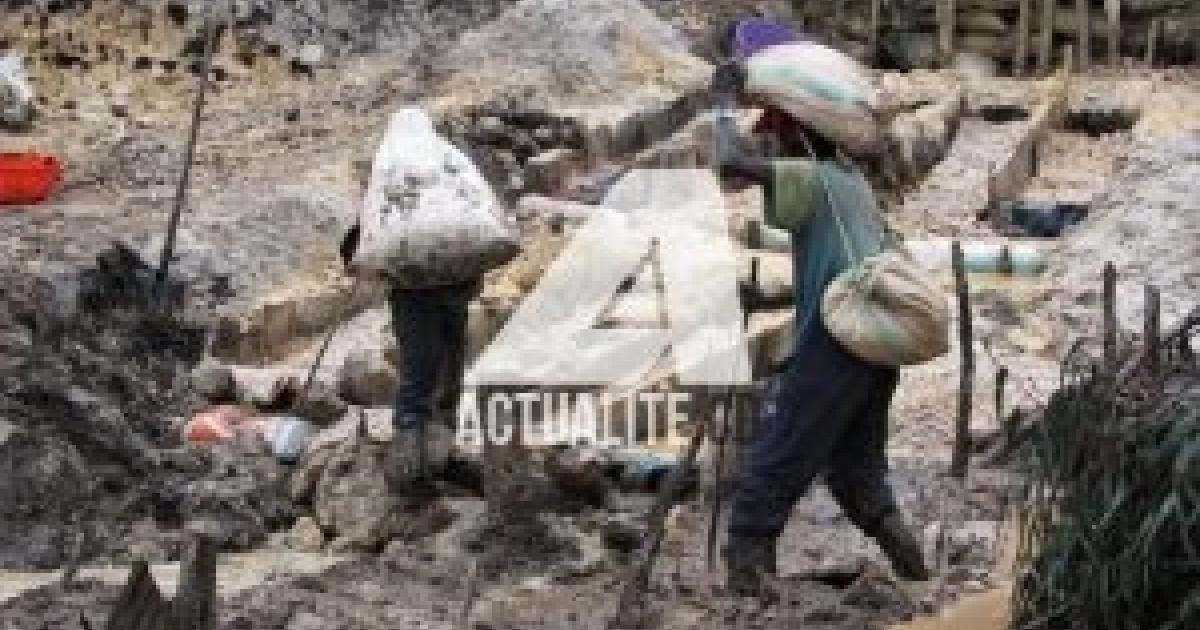
Militarisation Sites Miniers Kolwezi: Tshiswaka Condemns Abuses
Summary
- Over 500 pieces of mining equipment were seized from concessions in Kolwezi, highlighting abuses in Lualaba's artisanal mining sector.
- Hubert Tshiswaka of the Institut de Recherche en Droits Humains (IRDH) publicly condemned the alleged militarization of artisanal mining sites in Kolwezi.
- The seizures and militarization allegations expose systemic issues within the Democratic Republic of Congo's artisanal mining sector.
- These events underscore challenges in enforcing mining law and protecting human rights in the region.
Uncovering Mining Abuses in Kolwezi
Hubert Tshiswaka, representing the Institut de Recherche en Droits Humains (IRDH), has publicly condemned the alleged militarization of artisanal mining sites in Kolwezi.
The recent confiscation of over 500 pieces of mining equipment across various concessions in Kolwezi has brought renewed attention to the significant abuses prevalent within the artisanal mining sector of Lualaba province. This large-scale seizure, occurring in a region known for its rich mineral deposits, underscores the persistent challenges associated with unregulated or poorly regulated small-scale extraction activities. The incident serves as a stark reminder of the "dérives minières Lualaba" that continue to plague the industry, impacting both the environment and local communities. The operation, which involved the removal of numerous machines from active sites, implicitly highlights the widespread nature of unauthorized or non-compliant operations within the region.
The sheer volume of equipment involved in the "saisie engins miniers Kolwezi" suggests a systemic issue, prompting scrutiny into the operational practices and oversight mechanisms governing artisanal mining sites. These events in Kolwezi are indicative of a broader pattern within the Democratic Republic of Congo's mining landscape, where the pursuit of mineral wealth often clashes with established legal frameworks and ethical standards. The incident, reported on November 5, 2026, by PMaki, falls under the economic news category, emphasizing the financial implications alongside the social and human rights aspects.
Allegations of Site Militarization
In response to these developments, Hubert Tshiswaka, representing the Institut de Recherche en Droits Humains (IRDH), has publicly condemned the alleged militarization of artisanal mining sites in Kolwezi. Tshiswaka's statements draw a direct link between the ongoing issues in the sector and the pervasive presence of armed elements, suggesting a troubling environment where security forces or other armed groups exert undue influence over mining operations. This denunciation points to a critical human rights concern, as the militarization of these sites often correlates with increased exploitation and violence against local populations involved in "exploitation minière artisanale RDC".
The IRDH's intervention emphasizes that the problems extend beyond mere regulatory non-compliance, touching upon fundamental issues of governance and human rights protection. The accusation of "militarisation sites miniers Kolwezi" raises serious questions about the safety and legality of operations, particularly for vulnerable artisanal miners. Such conditions can exacerbate existing socio-economic inequalities and undermine efforts to promote responsible sourcing within global supply chains, creating a "dark side" to the otherwise economically vital artisanal mining sector.
Broader Implications for Artisanal Mining Governance
The revelations from Kolwezi concerning the "saisie engins miniers Kolwezi" and the subsequent allegations of militarization underscore the complex challenges facing the artisanal mining sector in the Democratic Republic of Congo. These incidents are not isolated but rather reflect systemic issues within the broader framework of "droit minier Congo" and its practical application. The informal nature of much artisanal mining often creates a vacuum that can be exploited by various actors, leading to the "dérives minières Lualaba" that Tshiswaka and the IRDH have highlighted. This situation demands a closer look at how mining laws are enforced and how human rights are protected in practice.
Ensuring compliance with national and international standards for human rights and environmental protection remains a significant hurdle in regions like Lualaba. The ongoing struggle to regulate and formalize "exploitation minière artisanale RDC" is critical for mitigating such abuses and fostering a more equitable and sustainable mining industry. The situation in Kolwezi serves as a potent example of the urgent need for comprehensive reforms and robust enforcement mechanisms to safeguard both the rights of miners and the integrity of the supply chain, moving beyond merely addressing symptoms to tackling root causes.
Practical Implications
Lawyers and compliance officers should advise clients operating in the Lualaba province, particularly in artisanal mining, to conduct enhanced due diligence on human rights and security practices. The reported militarization and abuses increase compliance risks and potential liabilities related to responsible sourcing and supply chain transparency.
Source
Source: Original reporting via PMaki.
How does this affect you?
Get an AI analysis of this article grounded in your jurisdictions, practice areas, and any policy documents you've uploaded to Wansom.
Wansom is AI and can make mistakes.