
Liberia Senate: Rights Groups Warn on War Crimes Court Bill Independence
A coalition of human rights organizations in Liberia, on November 25, 2026, warned the Liberian Senate that a provision granting the country's Supreme Court final appellate authority over the proposed Special War Crimes Court for Liberia (SWACCOL) could compromise its independence and credibility.
This development highlights a critical debate over judicial independence and the structure of transitional justice mechanisms in post-conflict settings. For practitioners, it underscores the ongoing challenges in establishing credible and effective accountability for grave international crimes, particularly when domestic judicial systems face capacity and independence concerns. The outcome of this legislative debate will significantly impact Liberia's commitment to international justice and its ability to address past atrocities, influencing public trust and international perceptions of the rule of law.
The core legal context revolves around the proposed "An Act to Establish a Special War Crimes Court for Liberia" and the constitutional role of the Liberian Supreme Court as the final arbiter of justice within the domestic system. The human rights groups' concerns touch upon fundamental principles of judicial independence, impartiality, and the appearance thereof, which are essential tenets of fair trial rights and international criminal justice. The reference to hybrid courts like those in the Central African Republic, Senegal, and The Gambia provides comparative legal context for the structure and composition of such specialized tribunals, often involving a mix of international and domestic judges and legal frameworks designed to balance national sovereignty with international standards.
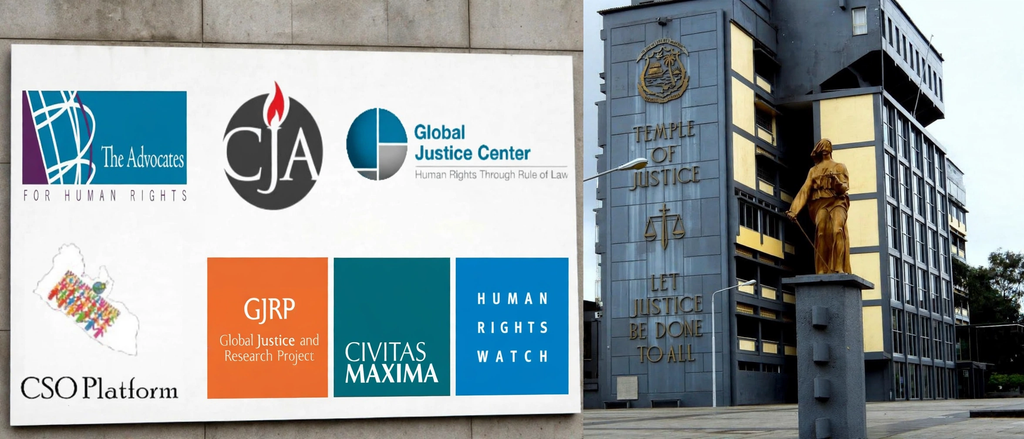
The key parties involved include the coalition of human rights organizations (The Advocates for Human Rights, Center for Justice and Accountability (CJA), Civil Society Human Rights Advocacy Platform, Civitas Maxima, Global Justice and Research Project, Global Justice Center, and Human Rights Watch), the Liberian Senate, specifically its Judiciary Committee, and implicitly, the Liberian Supreme Court, whose potential role is under scrutiny.
Attorneys and legal professionals in Liberia and those involved in international criminal law should closely monitor the legislative process surrounding the SWACCOL bill, particularly the final structure of its appellate mechanism and the composition of its judicial panel. Understanding the arguments for and against Supreme Court oversight will be crucial for advising clients on potential jurisdictional challenges, due process concerns, and the overall legitimacy of the court. Businesses operating in Liberia should also be aware of the broader implications for rule of law and governance, as the establishment of a credible war crimes court can significantly impact the country's stability and investment climate.
How does this affect you?
Get an AI analysis of this article grounded in your jurisdictions, practice areas, and any policy documents you've uploaded to Wansom.
Finish Reading the Full Story and the Expert Analysis.
Get the latest legal & regulatory intelligence in Liberia
Wansom is AI and can make mistakes.