
Liberia: PUL President Warns LTA Against Restrictive Radio Regulations
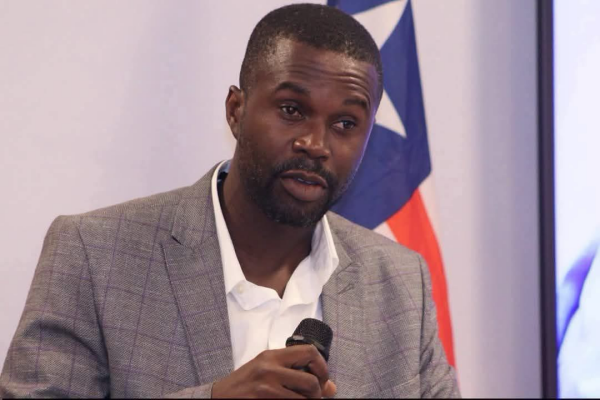
The President of the Press Union of Liberia (PUL), Julius Kanubah, cautioned the Liberia Telecommunications Authority (LTA) on Monday, November 23, in Paynesville, Liberia, against transforming broadcasting regulations into tools of restriction and censorship, emphasizing the potential threat to press freedom and democratic accountability.
This development highlights a critical tension between regulatory oversight and constitutional guarantees of press freedom in Liberia, a fundamental issue for media organizations, broadcasters, and civil liberties advocates. The PUL's intervention underscores the necessity of balancing technical regulation, such as frequency management and broadcasting standards, with the protection of fundamental rights, ensuring that the regulatory environment fosters rather than stifles a free and independent press. The warning against creating an atmosphere of fear or intimidation is particularly significant for the operational autonomy of media entities.
The legal context for this discussion is rooted in Liberia's Constitution, which enshrines freedom of speech and of the press, and the statutes governing the Liberia Telecommunications Authority (LTA), the body mandated to regulate the country's broadcasting sector. The PUL's position implicitly references international standards for press freedom, such as those found in the African Charter on Human and Peoples' Rights, to which Liberia is a signatory. The debate centers on the interpretation and application of these laws to ensure that the LTA's regulatory powers are exercised transparently, fairly, and without infringing upon protected constitutional rights, prioritizing legitimacy and stakeholder confidence over punitive enforcement.
Key parties involved include the Press Union of Liberia (PUL), represented by its President Julius Kanubah, advocating for media rights; the Liberia Telecommunications Authority (LTA), the primary regulatory body for broadcasting; Howe Trainers and Associates (HTA), the implementer of the sensitization workshop; and the Ministry of Information, through Mrs. Agatha Thompson-Venn, Director of National Communications Bureau, whose statements were referenced. The broader media community and the public are also significant stakeholders in this regulatory discourse.
Attorneys advising media houses, broadcasters, or civil society organizations in Liberia should closely monitor any proposed or revised broadcasting regulations from the LTA. It is crucial to scrutinize such regulations for potential overreach, lack of transparency, or provisions that could be interpreted as censorship, ensuring they align with constitutional protections and international human rights standards. Businesses in the broadcasting sector should actively engage in consultative processes with the LTA to advocate for fair, predictable, and enabling regulatory frameworks. The specific outcome of this confrontation or any subsequent regulatory changes is not yet reported.
How does this affect you?
Get an AI analysis of this article grounded in your jurisdictions, practice areas, and any policy documents you've uploaded to Wansom.
Finish Reading the Full Story and the Expert Analysis.
Get the latest legal & regulatory intelligence in Liberia
Wansom is AI and can make mistakes.