
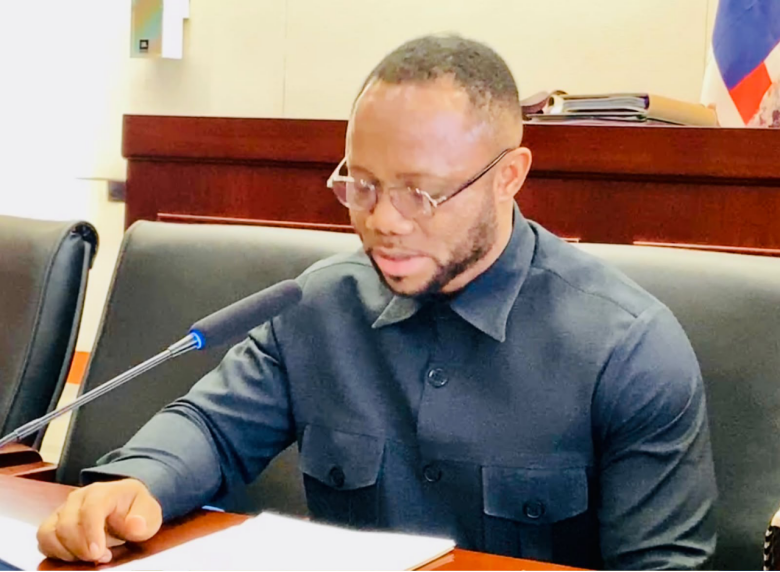
Liberia Senate: LPRC MD Denies Unauthorized $30M Loan, Clarifies Project Cost
In Liberia, on November 24, 2026, Amos Tweh, Managing Director of the Liberia Petroleum Refining Company (LPRC), denied allegations before the Senate Plenary that the state-owned entity secured an unauthorized US$30 million loan for petroleum storage construction, clarifying that the project's actual investment is US$35 million and will be financed through internal resources and external borrowing.
This development is significant for public finance, corporate governance, and legislative oversight in Liberia. It highlights the critical role of legislative approval for significant state-owned enterprise (SOE) financial undertakings, particularly external borrowing. For businesses, especially those involved in infrastructure development or energy, it underscores the importance of transparency and adherence to procurement and financial regulations when dealing with government entities. The Senate's inquiry reflects a commitment to accountability and proper fiscal management, which can impact investor confidence and the overall business environment by ensuring public funds are managed responsibly.
The legal context primarily involves Liberian public financial management laws, which typically require legislative approval for government borrowing, especially for large-scale projects or external loans. The LPRC, as a state-owned enterprise, operates under specific statutes and regulations governing its financial autonomy, procurement processes, and reporting obligations to the government and legislature. The Senate's citation and inquiry fall under its constitutional oversight powers, allowing it to scrutinize the activities of government ministries, agencies, and SOEs to ensure compliance with laws and proper use of public funds. The project's financing through "external borrowing" would likely trigger specific legislative review requirements, emphasizing the need for strict adherence to budgetary and appropriation laws.
The key parties involved are Amos Tweh, the Managing Director of the Liberia Petroleum Refining Company (LPRC), the Liberia Petroleum Refining Company itself as a state-owned entity, and the Liberian Senate, specifically the Senate Plenary, which exercised its oversight function by citing Mr. Tweh for clarification.
Attorneys advising state-owned enterprises, government agencies, or private companies engaging in large-scale projects with the Liberian government must be acutely aware of the stringent requirements for legislative approval of loans and major financial commitments. This incident reinforces the need for meticulous due diligence regarding funding sources, project financing structures, and compliance with public procurement and financial management laws. Businesses should ensure their contracts and agreements with SOEs explicitly address all necessary governmental approvals to mitigate legal and reputational risks, and to avoid potential investigations or challenges from legislative bodies.
How does this affect you?
Get an AI analysis of this article grounded in your jurisdictions, practice areas, and any policy documents you've uploaded to Wansom.
Finish Reading the Full Story and the Expert Analysis.
Get the latest legal & regulatory intelligence in Liberia
Wansom is AI and can make mistakes.