
Liberia NPP: Bomi Amendment Creates New Political Leader Role
Summary
- NPP Chairman George Sylvester Mulbah Sr. announced plans to elect a temporary "political leader" instead of a Standard Bearer at the December convention.
- This decision, based on a disputed 2016 Bomi amendment, coincides with Standard Bearer Jewel Howard-Taylor facing drug and money laundering charges.
- Internal critics argue the "political leader" role is unconstitutional and the Bomi amendment was never properly circulated.
- The Concerned Partisans of the NPP claim the convention is premature and politically motivated, potentially aiming to transfer party control to Vice President Jeremiah Koung.
- The group also alleges Senator James Biney is influencing the process to secure the political leader position for himself.
NPP Leadership Proposes Major Structural Shift
The legitimacy of the proposed 'political leader' position and the 2016 Bomi amendment itself have been vigorously challenged by internal party critics, who claim the amendment was never properly circulated or documented.
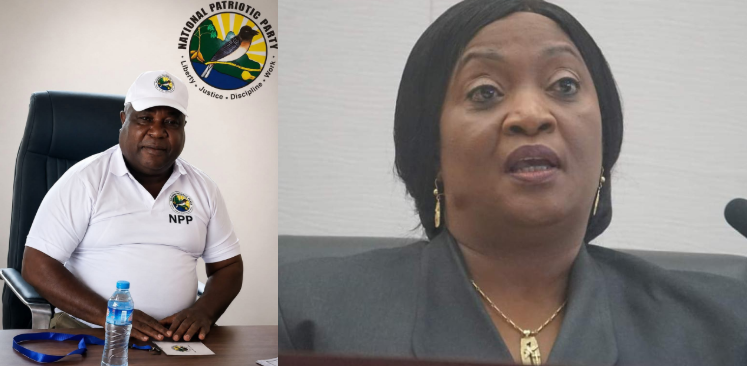
The National Patriotic Party (NPP) is poised for a significant internal restructuring, with its leadership announcing plans to introduce a new "political leader" role at its upcoming December convention. This move, spearheaded by NPP National Chairman Atty. George Sylvester Mulbah Sr., would bypass the traditional election of a Standard Bearer, a position currently held by former Vice President Jewel Howard-Taylor. The timing of this proposed change coincides with Howard-Taylor facing serious legal challenges, including prosecution for alleged drug trafficking and money laundering offenses.
Chairman Mulbah communicated to party members that the December gathering would not feature a Standard Bearer election. Instead, delegates are slated to elect a "political leader" who would explicitly be barred from contesting the presidency. Mulbah justified this decision by referencing what he termed the "2016 Bomi amendment" to the party's constitution. He further clarified that this new political leader position would be temporary, ceasing to exist once a Standard Bearer is eventually chosen for the 2029 elections. In a broader declaration, Mulbah stated that "every official has lost tenure," a pronouncement widely interpreted by critics as encompassing Howard-Taylor's current Standard Bearer status, paving the way for the election of new officers at the December convention.
Constitutional Amendment and Internal Dissent
The proposed leadership change, particularly the reliance on the 2016 Bomi amendment, has ignited considerable controversy and resistance within the NPP. Critics within the party have vehemently rejected the plan, with one senior partisan asserting that the NPP's existing constitution and bylaws make no provision for a "political leader" position. Furthermore, this partisan alleged that the Bomi amendment, cited by Chairman Mulbah, was never formally printed or circulated to party members, accusing former Secretary General Andrew Peters of deliberately keeping it secret.
Andrew Peters has a documented history of involvement in the NPP's internal factional disputes. He was previously aligned with former Chairman James Biney in a protracted struggle against Jewel Howard-Taylor for control of the party, a dispute that ultimately led to a split within the NPP, requiring intervention from the National Elections Commission and even reaching the Supreme Court. In response to concerns about delegate numbers, Mulbah confirmed that the National Executive Committee (NEC) had voted to cap delegations at three members per district, a decision documented in the NEC meeting minutes. With Liberia comprising 73 electoral districts, this would result in approximately 219 voting delegates. Mulbah also announced plans to address NPP partisans in the United States virtually on Sunday, November 1, expressing hopes for a peaceful December convention.
Broader Political Implications and Allegations
The current dispute over the December convention is not merely about procedural changes; it is viewed by many as part of a larger political maneuver. Earlier reports from party insiders suggested that the impasse was intended to facilitate a move to "sell the NPP to Vice President Jeremiah Koung," though Koung's office did not respond to requests for comment on these allegations at the time. This sentiment is echoed by the Concerned Partisans of the National Patriotic Party (CP-NPP), a group led by Emmanuel Goll, which has called for the convention's postponement.
The CP-NPP argues that holding the convention at this juncture demonstrates a lack of sensitivity to Jewel Howard-Taylor's arrest and indictment, potentially fueling public perceptions that the charges against her are politically motivated. The group points to Article V, Section 5.22(VII) of the party’s 2004 Constitution, which stipulates that the Standard Bearer remains in office until the next National Convention, which they contend is not due until 2029. They further highlighted that while the December date aligns with a Biennial Convention, the leadership reportedly presented the gathering to the National Elections Commission as a National Convention. The CP-NPP also questioned the apparent design of the December meeting to replace the sitting Standard Bearer with a political leader, precisely what Mulbah has now announced. The group has additionally accused Senator Biney, who chairs the Senate Committee on Executive, of influencing a faction within the executive committee to push for the convention, allegedly in pursuit of his own ambition to become the party's political leader, an accusation to which Biney has not responded.
Practical Implications
For lawyers advising political parties or associations, this case underscores the critical importance of clear, properly documented, and transparent constitutional amendment processes and bylaws to prevent internal power grabs and legal challenges to leadership changes. For those advising high-profile clients facing criminal charges, it illustrates how political adversaries might exploit legal vulnerabilities to effect internal party changes, necessitating a strategy that considers both legal defense and political maneuvering.
Source
How does this affect you?
Get an AI analysis of this article grounded in your jurisdictions, practice areas, and any policy documents you've uploaded to Wansom.
Wansom is AI and can make mistakes.