
Liberia: Port State Control Training Boosts Maritime Capacity
Summary
- The Liberia Maritime Training Institute and Liberia Maritime Authority concluded a five-day Basic Port State Control training course.
- Held from October 19 to 23, 2026, the training involved 25 participants nominated by the Liberia Maritime Authority.
- The course aimed to strengthen Liberia's maritime regulatory capacity and enhance professional competencies in vessel inspection.
- Port State Control is a critical international mechanism for inspecting foreign-flagged vessels and ensuring compliance with maritime conventions.
- Liberia, a foremost maritime registry, is investing in local expertise to promote safer shipping and identify substandard vessels.
What Happened
As one of the world's leading maritime registries, Liberia recognizes the imperative of cultivating local maritime expertise to support safer shipping operations, effectively identify substandard vessels, and actively promote adherence to international maritime conventions Liberia.
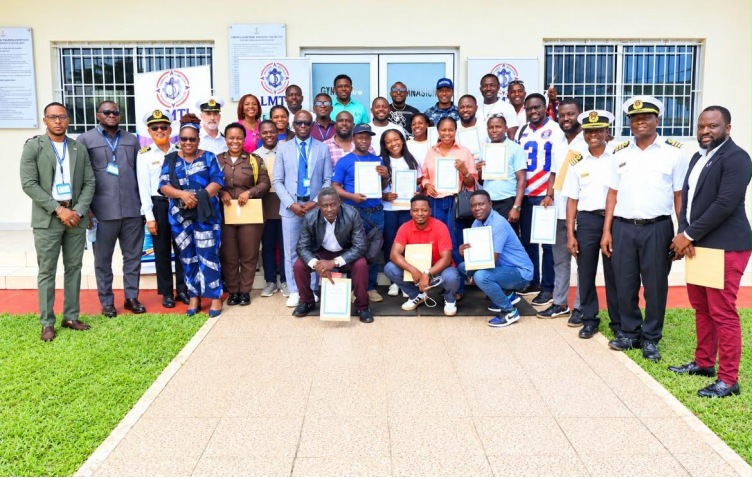
The Liberia Maritime Training Institute (LMTI), in partnership with the Liberia Maritime Authority (LiMA), recently concluded a significant five-day Basic Port State Control (PSC) Training Course. This specialized program, held from October 19 to 23, 2026, at LMTI’s campus in Marshall, Margibi County, was designed to bolster Liberia's maritime regulatory capacity and elevate the professional skills of its maritime personnel.
A total of 25 participants, all nominated by the Liberia Maritime Authority, engaged in the intensive curriculum. The training provided them with essential knowledge covering the fundamental principles of Port State Control, detailed procedures for vessel inspection, and the intricate requirements of international maritime regulations. Upon successful completion of the course, all attendees were formally recognized with certificates during a dedicated ceremony, marking a key step in their professional development within the maritime sector.
Enhancing Maritime Oversight
Port State Control represents a vital element within the global framework for ensuring maritime safety and protecting the marine environment. This mechanism empowers competent national authorities to conduct inspections on foreign-flagged vessels that call at their ports, verifying their adherence to various international conventions. These conventions encompass critical areas such as vessel safety standards, the welfare of seafarers, security protocols, and environmental protection measures.
This recent Liberia Port State Control training initiative is an integral part of ongoing efforts to reinforce Liberia's maritime administration. The broader objective is to improve regulatory oversight and ensure robust compliance with international maritime standards. As one of the world's leading maritime registries, Liberia recognizes the imperative of cultivating local maritime expertise to support safer shipping operations, effectively identify substandard vessels, and actively promote adherence to international maritime conventions Liberia. The training specifically provided practical exposure to internationally recognized inspection procedures and regulatory frameworks, laying a strong foundation for continued professional growth in this specialized field.
Strategic Commitment to Excellence
During the certification ceremony, Mr. Joel O. Dickerson, Director of Training for the Liberia Maritime Authority, underscored LiMA's unwavering commitment to continuous capacity building and professional development within the nation's maritime sector. He emphasized the profound value of investing in human capital, identifying it as a fundamental cornerstone for maritime advancement. Mr. Dickerson highlighted that the sustained development of maritime professionals is crucial for upholding Liberia's esteemed reputation and operational effectiveness as a prominent maritime nation.
Mr. Dickerson further articulated that Port State Control Liberia serves as an indispensable regulatory instrument, instrumental in safeguarding maritime safety, preserving the marine environment, and guaranteeing compliance with international standards. He encouraged the newly certified participants to maintain their focus, discipline, and determination as they progress in their careers, reminding them that the expertise acquired carries significant responsibility. He stressed that their work not only reflects on their respective institutions but also on Liberia itself on the international maritime stage, reinforcing the nation's standing within the global maritime community through their commitment to quality and integrity. The collaboration between LiMA and LMTI remains pivotal in cultivating a skilled workforce capable of addressing the evolving demands of the global maritime industry.
Practical Implications
Lawyers advising shipping companies or vessel owners operating in Liberian waters should note the enhanced regulatory capacity and training of Liberian authorities in Port State Control. This indicates a likely increase in the rigor of vessel inspections, requiring clients to ensure strict compliance with international maritime safety, environmental, and seafarer welfare standards to avoid detentions or penalties.
Source
How does this affect you?
Get an AI analysis of this article grounded in your jurisdictions, practice areas, and any policy documents you've uploaded to Wansom.
Finish Reading the Full Story and the Expert Analysis.
Get the latest legal & regulatory intelligence in Liberia
Wansom is AI and can make mistakes.