
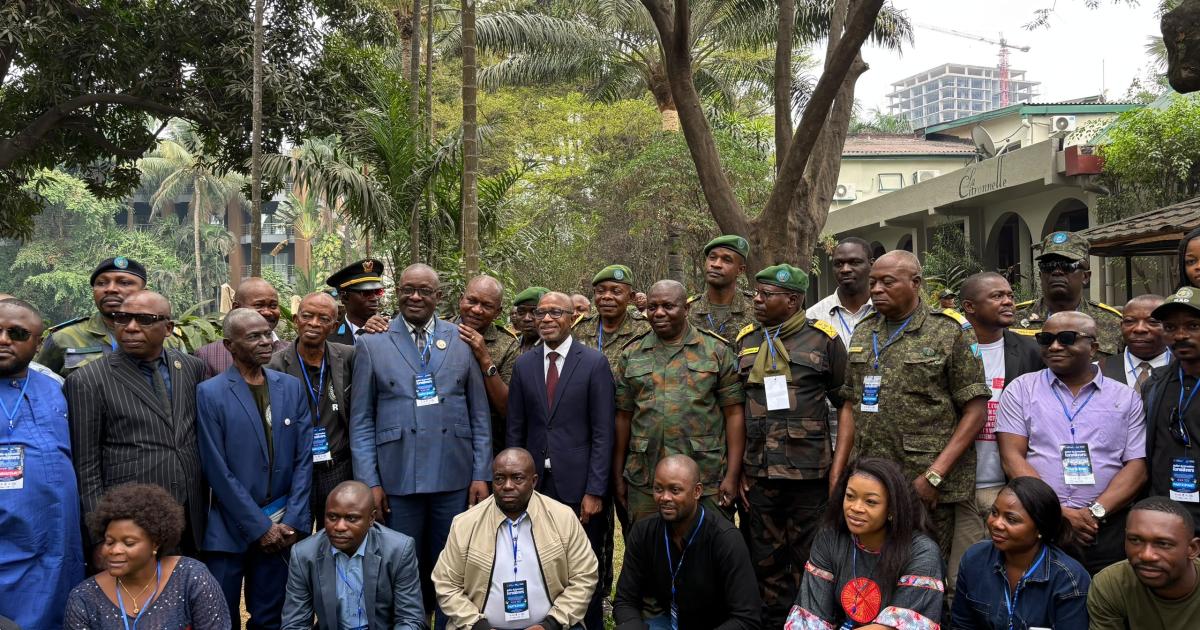
Kinshasa Réserve armée: BCNUDH DIH Formation Enhances Human Rights
Summary
- The Armed Reserve of Defense in Kinshasa underwent a training workshop with support from the BCNUDH.
- The formation focused on International Humanitarian Law and the prevention of conflict-related sexual violence.
- Participants also received instruction on general prevention and response measures.
- The training aims to strengthen the reserve's capabilities in addressing security, humanitarian, and health challenges.
Training Bolsters DRC's Armed Reserve in Kinshasa
This training signals an ongoing effort to improve adherence to international humanitarian law and prevent conflict-related sexual violence within the DRC's armed forces, which may influence future legal assessments of military conduct and accountability.
The Armed Reserve of Defense in Kinshasa recently participated in a specialized training workshop, an initiative designed to enhance its operational capabilities. This crucial formation, held in the capital of the Democratic Republic of Congo, focused on equipping military personnel with essential knowledge and skills to navigate complex security, humanitarian, and health landscapes.
The workshop, which received support from the Joint United Nations Human Rights Office (BCNUDH), covered several critical areas. Key among these were the principles of International Humanitarian Law (DIH) and strategies for the prevention of conflict-related sexual violence (VSLC). Additionally, participants were instructed on broader prevention and response measures, contributing to a comprehensive approach to modern challenges.
This collaborative effort underscores a commitment to strengthening the professionalism and effectiveness of the Kinshasa Réserve armée, ensuring its readiness to address multifaceted crises while upholding international standards. The BCNUDH's involvement highlights the importance of human rights considerations within military operations, particularly in regions prone to conflict.
Upholding International Humanitarian Law and Preventing Violence
A central component of the training workshop was a deep dive into International Humanitarian Law (DIH), the body of law that governs the conduct of armed conflict and seeks to limit its effects. This focus is particularly pertinent for the RDC Réserve armée, as adherence to DIH is fundamental for protecting civilians and ensuring humane treatment during hostilities. Understanding these legal frameworks is vital for military personnel operating in challenging environments.
Equally significant was the emphasis on the prevention of conflict-related sexual violence (VSLC). This topic addresses one of the most egregious human rights violations in conflict zones, aiming to equip soldiers with the awareness and tools to prevent such acts. The Bureau Conjoint des Nations Unies pour les Droits de l'Homme en RDC (BCNUDH) plays a crucial role in advocating for and implementing these protections, making their collaboration in this training a strategic move to embed these principles directly within the armed forces.
The inclusion of these topics reflects a broader international push to integrate human rights and humanitarian law into military doctrine and practice, especially in contexts like the DRC where armed conflict has historically led to severe human rights abuses. The Droit international humanitaire Kinshasa training serves as a practical step towards fostering a culture of accountability and respect for human dignity within the military structure.
Implications for Military Conduct and Accountability
This training signals an ongoing effort to improve adherence to international humanitarian law and prevent conflict-related sexual violence within the DRC's armed forces, which may influence future legal assessments of military conduct and accountability. By investing in such specialized formation, the Armed Reserve of Defense demonstrates a commitment to aligning its operations with global human rights standards, a move that could have far-reaching implications for its reputation and effectiveness.
Enhanced understanding of the prevention violences sexuelles conflits RDC and DIH principles among military personnel can contribute to a reduction in civilian harm and a strengthening of trust between the armed forces and the communities they serve. Such initiatives are crucial for long-term stability and peacebuilding in the region. The DRC armed forces human rights training, facilitated by the BCNUDH, represents a proactive measure to address historical challenges and build a more responsible and rights-respecting military.
Ultimately, the success of these training programs will be measured by their impact on the ground, fostering a military culture where respect for human rights and international law is paramount. This ongoing investment in education and capacity building is a critical step towards ensuring that the Armed Reserve of Defense can effectively meet its security mandates while upholding its obligations under international law.
Practical Implications
This training signals an ongoing effort to improve adherence to international humanitarian law and prevent conflict-related sexual violence within the DRC's armed forces, which may influence future legal assessments of military conduct and accountability.
Source
Source: Original reporting via {source}
How does this affect you?
Get an AI analysis of this article grounded in your jurisdictions, practice areas, and any policy documents you've uploaded to Wansom.
Finish Reading the Full Story and the Expert Analysis.
Get the latest legal & regulatory intelligence in DR Congo
Wansom is AI and can make mistakes.