
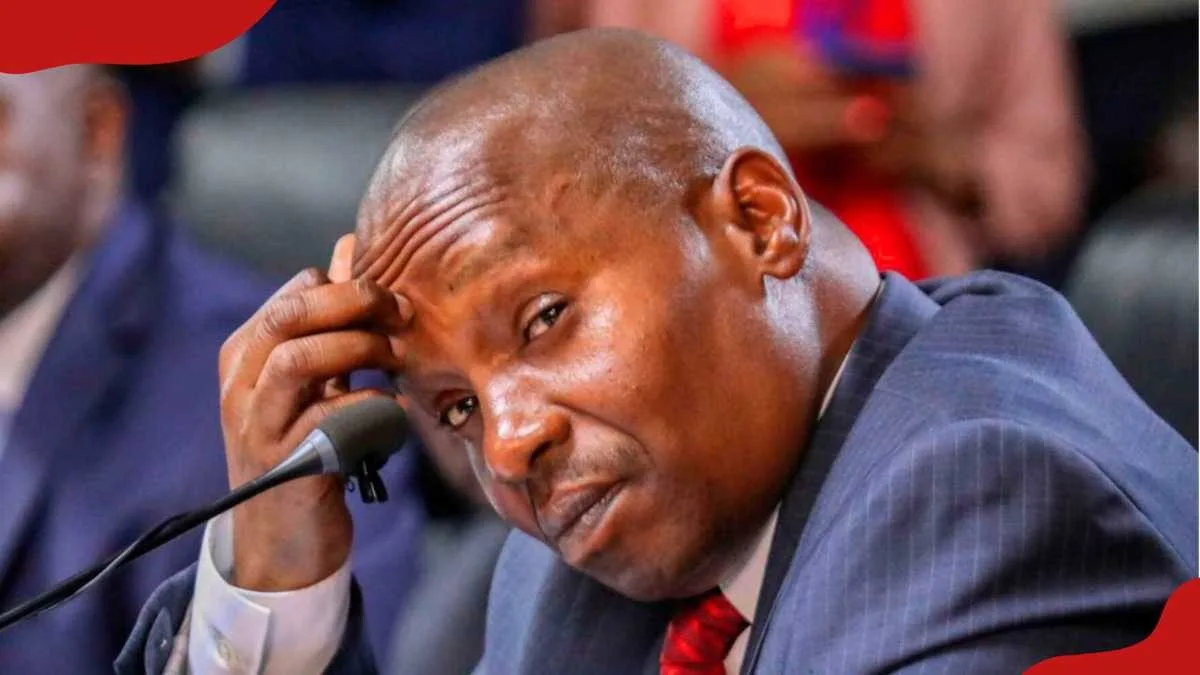
Kindiki Denies Gachagua Gen Z Crackdown Claims, Calls Them 'Petty Lies'
Summary
- Deputy President Kithure Kindiki has denied former Deputy President Rigathi Gachagua's claims that he failed to oppose orders to abduct, torture, and kill young people during the 2024 Gen Z protests.
- Kindiki stated he was preoccupied with fighting terrorism and banditry at the time, dismissing Gachagua's allegations as "petty lies."
- Gachagua alleged he contacted Kindiki after a National Security Council meeting to question the legality of harsh directives against protesters, claiming Kindiki acknowledged the actions were wrong but declined to confront President William Ruto.
- Gachagua linked his public opposition to the Finance Bill 2024 and Ruto's characterization of protesters to his eventual removal from office.
- The dispute highlights serious allegations regarding state accountability and the legality of government directives during the youth-led demonstrations.
Kindiki Denies Gachagua's Crackdown Claims
Gachagua specifically alleged that Kindiki acknowledged the contemplated actions would be wrong but declined his request to confront President William Ruto on the matter.
Deputy President Kithure Kindiki has vehemently refuted allegations made by former Deputy President Rigathi Gachagua, who claimed Kindiki failed to oppose directives to abduct, torture, and kill young people during the 2024 Gen Z protests. Kindiki, responding on August 24, dismissed Gachagua's assertions as "petty lies" and accused his predecessor of attempting to distort the narrative surrounding the government's actions during the widespread demonstrations.
Kindiki asserted that he was fully occupied with critical national security duties at the time, specifically combating terrorism and banditry across the country. He suggested that these pressing responsibilities left him no time to engage with what he termed Gachagua's "treasonous project," implying the allegations were baseless and a fabrication. This direct confrontation highlights the deepening political rift between the two prominent figures.
The current Deputy President's denial directly addresses the core of the **Kindiki denies Gachagua Gen Z crackdown claims**, framing the accusations as a deliberate misrepresentation of events. His statement underscores a narrative of dedicated public service, contrasting it sharply with Gachagua's portrayal of a government official complicit through inaction in alleged human rights abuses during the youth-led protests.
Allegations of Unlawful Orders and Constitutional Questions
Gachagua's claims stem from what he described as a personal appeal to Kindiki, then serving as Interior Cabinet Secretary, following a National Security Council meeting. According to Gachagua, he contacted Kindiki to challenge the legality and morality of alleged instructions to deal harshly with young people participating in the anti-government demonstrations. He recounted urging members of the security establishment to resist what he characterized as orders to abduct, torture, and, if necessary, kill protesters.
Gachagua specifically alleged that Kindiki acknowledged the contemplated actions would be wrong but declined his request to confront President William Ruto on the matter. He recalled asking Kindiki whether such measures were consistent with constitutional principles and religious teachings, to which Kindiki allegedly responded negatively. Gachagua expressed his belief that if Kindiki had taken a firm stand, the tragic loss of young lives might have been averted, directly implicating the former Interior CS in the handling of **Kenya Gen Z protests police orders**.
This exchange brings to the forefront serious **Finance Bill 2024 protest allegations** concerning the potential for unlawful directives within the highest echelons of government. Gachagua's account suggests a failure to uphold constitutional safeguards against state-sanctioned violence, raising significant questions about the limits of executive power and the responsibility of senior officials to challenge potentially illegal commands during periods of civil unrest.
Political Fallout and Public Dissent
The **Kithure Kindiki Rigathi Gachagua dispute** is deeply intertwined with Gachagua's broader disagreements with President Ruto, which he claims intensified during the government's response to the Gen Z protests and the controversial Finance Bill 2024. Gachagua asserted that he opposed the Finance Bill within the Cabinet, warning Ruto that the public would reject the legislation. He claimed Ruto subsequently accused him of opposing the government from within.
The Finance Bill was eventually withdrawn following widespread protests, predominantly led by young Kenyans. Gachagua also recounted his anger at Ruto's characterization of protesters as criminals and his threat to "hunt them like rats" after the deadly demonstrations of June 25, 2024. He publicly distanced himself from the government's stance during a press conference in Mombasa, stating that the young people were not criminals but had legitimate concerns that deserved to be heard.
Gachagua directly linked his public opposition to the government's handling of the protests to his eventual removal from office, stating that the decision to initiate his impeachment began on that day. This narrative from the former Deputy President underscores the high political stakes involved in challenging government policy and actions, particularly when it concerns **Interior CS Kindiki Gachagua** and the broader administration's response to public dissent.
Implications for State Accountability
The ongoing public dispute between Kindiki and Gachagua casts a shadow over the government's response to the 2024 Gen Z-led protests, which initially focused on the Finance Bill but quickly evolved into a broader movement against the Ruto administration. Gachagua's detailed allegations of orders to abduct, torture, and kill protesters, coupled with Kindiki's denial, demand scrutiny regarding the chain of command and the accountability of state actors.
These claims, if substantiated, would represent a grave breach of human rights and constitutional law, highlighting critical issues for **Kenya state accountability protests**. The allegations raise fundamental questions about the extent to which executive power was exercised during the civil unrest and whether senior officials adhered to their constitutional duties to protect citizens. The public exchange itself serves as a stark reminder of the need for transparency and independent oversight when allegations of state-sanctioned violence emerge.
The legal and constitutional implications of Gachagua's assertions are profound, suggesting a potential failure of checks and balances within the security apparatus. This political exchange underscores the ongoing challenges in ensuring that government responses to civil unrest remain within legal and ethical boundaries, particularly when allegations of unlawful orders and their alleged consequences are brought to light by former high-ranking officials.
Practical Implications
This political exchange highlights serious allegations regarding the legality and constitutionality of government directives during the 2024 Gen Z protests in Kenya. Lawyers specializing in human rights or constitutional law should monitor for any formal investigations or legal actions that may arise from the claims of unlawful orders, as these could have significant implications for state accountability and the limits of executive power during civil unrest.
Source
How does this affect you?
Get an AI analysis of this article grounded in your jurisdictions, practice areas, and any policy documents you've uploaded to Wansom.
Wansom is AI and can make mistakes.