
Kenya: Ruto Says G-to-G Fuel Deal Eliminates Importation Brokers
Summary
- President William Ruto defended Kenya's Government-to-Government (G-to-G) fuel importation deal.
- He stated the arrangement successfully eliminated middlemen and brokers from the trade.
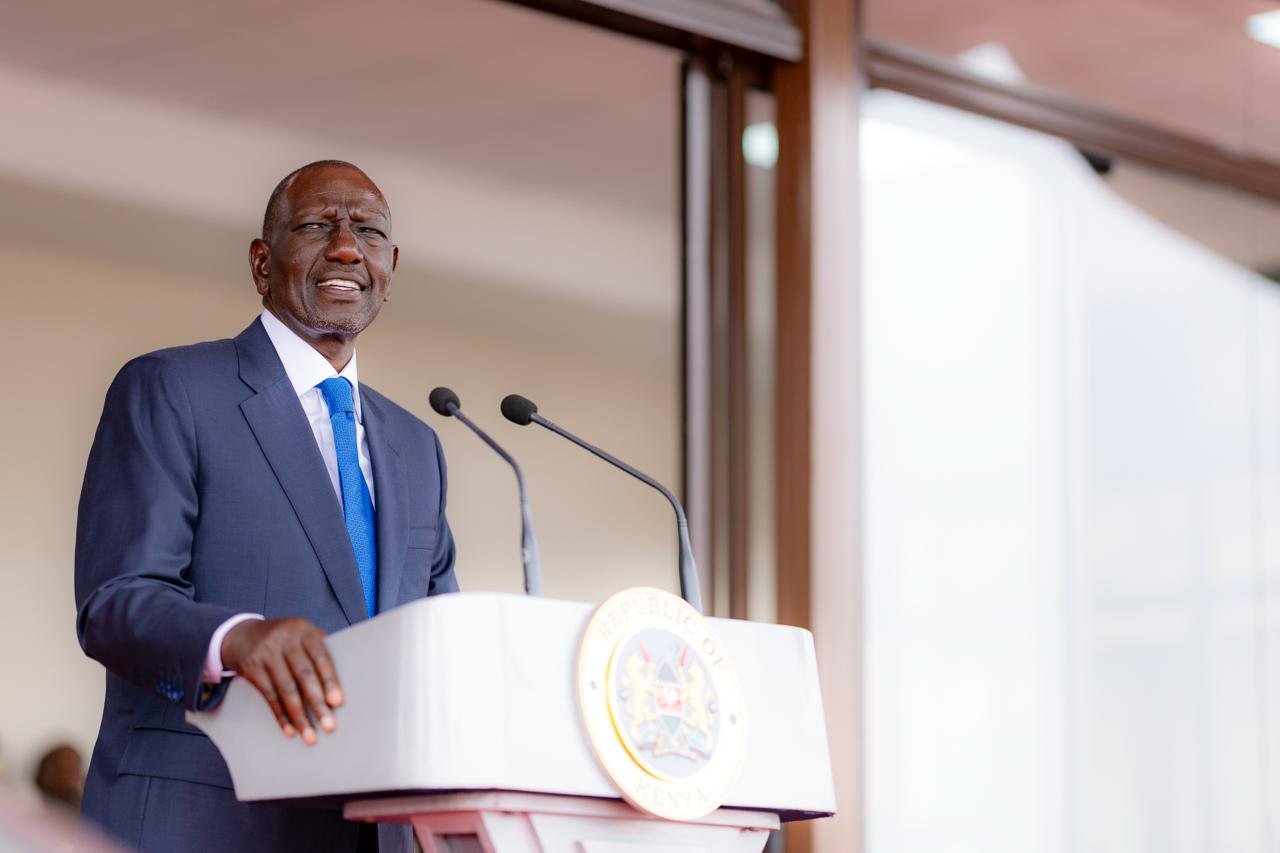
- The President made these remarks while addressing Kenyans in the United States during a New York meeting.
- The G-to-G deal was signed between Kenya and three state-owned firms with the aim of cutting out intermediaries.
- This initiative signifies a strategic shift in Kenya's fuel procurement and supply chain regulation.
President Defends Fuel Import Strategy
The President's firm declaration regarding the elimination of Kenya G-to-G fuel importation brokers carries substantial implications for the nation's energy market and its regulatory landscape.
President William Ruto recently addressed criticisms surrounding Kenya's Government-to-Government (G-to-G) fuel importation arrangement, asserting that the initiative has successfully eliminated intermediary brokers from the trade. Speaking to a gathering of Kenyans residing in the United States, the President underscored the strategic intent behind the deal, emphasizing its role in streamlining the fuel supply chain.
His remarks, delivered during a meeting in New York, directly countered detractors of the G-to-G fuel import arrangement. President Ruto's defense highlighted the administration's commitment to reforming key economic sectors by directly tackling inefficiencies and perceived exploitative practices within the fuel importation process. This public stance reinforces the government's narrative of enhancing transparency and reducing costs through direct state-level engagement.
The G-to-G Framework and Its Objectives
The Government-to-Government fuel importation deal, a cornerstone of Kenya's current energy policy, was formally established between the Kenyan government and three distinct state-owned enterprises. This structured agreement was specifically designed with the explicit objective of bypassing traditional middlemen and brokers who historically played a significant role in the nation's fuel supply chain. By engaging directly with state-owned entities, the administration aims to exert greater control over pricing and supply, thereby stabilizing the domestic market.
This particular Ruto fuel import arrangement represents a significant shift in how Kenya procures its energy resources. The stated goal of cutting out intermediaries is intended to reduce the overall cost of fuel imports, a benefit that the government hopes will ultimately translate to more favorable prices for consumers and businesses within the Kenya energy sector. The move also signals a broader strategy to reconfigure the dynamics of fuel supply chain regulation Kenya, moving towards a more centralized and government-controlled procurement model.
Market Dynamics and Regulatory Scrutiny
The President's firm declaration regarding the elimination of Kenya G-to-G fuel importation brokers carries substantial implications for the nation's energy market and its regulatory landscape. This strategic pivot towards direct government-to-government procurement fundamentally alters the competitive environment, potentially impacting private entities that previously thrived on brokering fuel deals. The stated intent to remove these intermediaries suggests a re-evaluation of market access and the structure of existing supply contracts within the sector.
This policy direction could lead to increased scrutiny on competition within the fuel supply chain Kenya, as the government's direct involvement may reshape market shares and operational frameworks for various stakeholders. Lawyers advising clients in Kenya's energy sector, trade, or competition law should closely monitor these developments, as the government's actions signal a significant shift in procurement practices and market dynamics, with potential long-term effects on market entry, operational compliance, and the overall regulatory environment for fuel trade in Kenya.
Practical Implications
Lawyers advising clients in Kenya's energy sector, trade, or competition law should note the government's stated intent to eliminate brokers through the G-to-G fuel deal. This signals a significant shift in procurement and market dynamics, potentially impacting existing supply contracts, market access for private entities, and future regulatory scrutiny on competition within the fuel supply chain.
Source
How does this affect you?
Get an AI analysis of this article grounded in your jurisdictions, practice areas, and any policy documents you've uploaded to Wansom.
Finish Reading the Full Story and the Expert Analysis.
Get the latest legal & regulatory intelligence in Kenya
Wansom is AI and can make mistakes.