
Maraga: Kenya 2027 Election Tallying Centre Abolition Demanded
Summary
- Former Chief Justice David Maraga reported that Kenyans in the US unanimously called for the abolition of a national tallying centre ahead of the 2027 General Election.
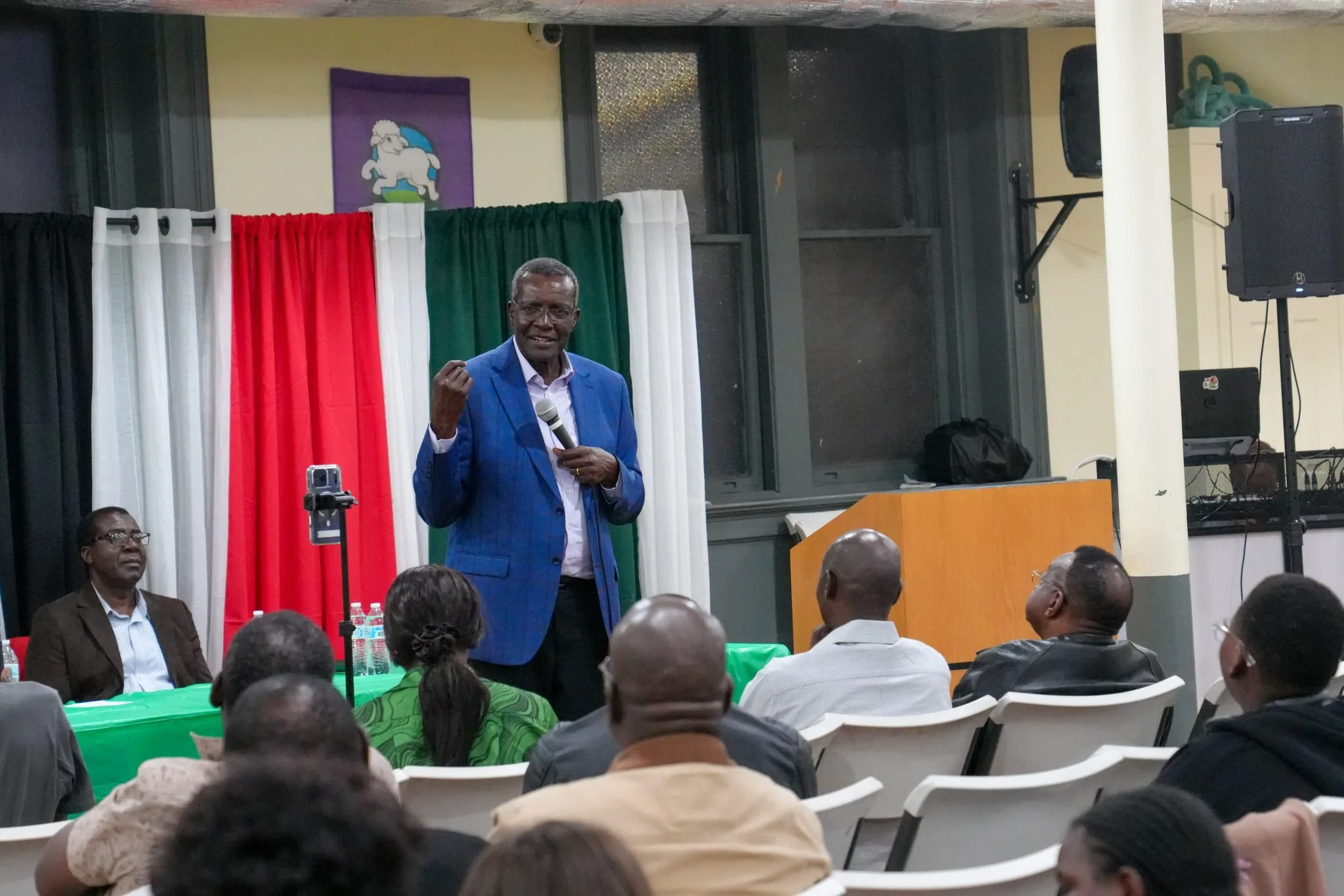
- These concerns emerged during town hall meetings held by Maraga in Baltimore, Maryland, and Jersey City, New Jersey, on September 19 and 20.
- Maraga's Peoples Coalition on Electoral Reforms proposes five mandatory reforms, including removing the national tallying centre and strengthening IEBC integrity.
- Government officials, including Health Cabinet Secretary Aden Duale, have criticized the proposal to abolish the national tallying process.
- Maraga's 2027 presidential agenda also prioritizes education, healthcare, agriculture, youth unemployment, and an "Africaward looking" foreign policy.
Calls for Electoral Reform Emerge from Diaspora
The coalition argues that presidential election results, once declared at the polling station and constituency levels, should not be subject to re-tallying or alteration at a central venue.
Former Chief Justice David Maraga, who is also a prospective candidate for the 2027 presidential election, recently concluded a series of engagements with Kenyan diaspora communities in the United States. During two town hall meetings held on September 19 and 20 in Baltimore, Maryland, and Jersey City, New Jersey, Maraga reported a strong consensus among participants regarding the future of Kenya's electoral process. A primary concern voiced by these Kenyans abroad was the unanimous rejection of a national tallying centre for the upcoming 2027 General Election.
Beyond electoral matters, attendees at these meetings raised a broad spectrum of issues affecting Kenya. These included critical areas such as healthcare access, the quality of education, pervasive corruption, and governance challenges. Many also highlighted the significant financial strain they experience while supporting their families back in Kenya through remittances. Furthermore, younger Kenyans present expressed apprehension about external influences within the country, specifically citing what they perceived as manipulation behind legislative initiatives like the Cyber Crimes Bill, and voiced concerns over international land transactions across the African continent.
Maraga, who co-leads the Peoples Coalition on Electoral Reforms, utilized these forums to brief the diaspora on the coalition's agenda. This initiative advocates for five mandatory reforms crucial for the integrity of the 2027 polls. His ongoing campaign for electoral reforms, which includes recent discussions with US lawmakers, civil society organizations, and think tanks, underscores the importance of these engagements ahead of the August 2027 General Election.
The Push to Abolish the National Tallying Centre
Central to the Peoples Coalition on Electoral Reforms' platform, as articulated by David Maraga, is the demand for the abolition of the national presidential tallying centre, specifically referencing the facility at Bomas of Kenya. The coalition argues that presidential election results, once declared at the polling station and constituency levels, should not be subject to re-tallying or alteration at a central venue. This stance directly addresses the integrity of the `Maraga Kenya 2027 election tallying centre` process, aiming to enhance transparency and trust in the final outcomes.
The proposal to remove the national tallying centre is one of five key reforms put forth by the coalition. Other critical recommendations include a comprehensive audit and subsequent strengthening of the integrity of the voters register, the implementation of more stringent penalties for individuals found guilty of electoral offences, and the adoption of election technology that undergoes rigorous pre-testing and independent scrutiny. Additionally, the coalition advocates for robust integrity safeguards to be applied to personnel and administrative processes within the Independent Electoral and Boundaries Commission (IEBC), aiming to bolster `IEBC integrity 2027 Kenya election`.
However, these calls for significant changes to the `Kenya 2027 presidential election process` have not been universally embraced. Government officials have voiced criticism regarding the coalition's demands. Health Cabinet Secretary Aden Duale, for instance, has publicly defended the existing national tallying process, questioning the practicalities of aggregating results from thousands of polling stations across the country without a centralized national mechanism. This highlights a key point of contention in the ongoing discourse surrounding `David Maraga electoral reforms Kenya`.
Maraga's Broader Presidential Vision
Beyond the critical electoral reforms, David Maraga has outlined a comprehensive vision for his potential administration, should he succeed in the `Kenya 2027 presidential election process`. His manifesto prioritizes several key sectors, including education, healthcare, agriculture, and addressing the pressing issue of youth unemployment. Maraga conveyed to his diaspora audience that his tenure as Chief Justice demonstrated his capacity for decisive leadership, a quality he intends to bring to the presidency.
A central pillar of Maraga's 2027 agenda is an intensified fight against corruption. He has pledged to make this a core focus of his administration, committing to the rigorous implementation of existing anti-corruption laws. Furthermore, his strategy includes the digitization of government procurement and other administrative processes, aiming to enhance transparency and reduce opportunities for malfeasance.
In the realm of foreign policy, Maraga proposes an "Africaward looking" approach. This strategy would see Kenya moving beyond traditional diplomatic focuses on East, West, or Gulf relations, instead pursuing a broader, pan-African strategy concerning economic and security matters. According to Maraga, this approach is designed to strengthen the collective negotiating position of African countries on the global stage, fostering greater continental unity and influence. These policy positions are part of his broader campaign efforts, which include ongoing discussions with various international stakeholders as he advocates for `David Maraga electoral reforms Kenya` and his wider political platform ahead of the August 2027 General Election.
Practical Implications
Lawyers and compliance officers should monitor the ongoing political discourse and proposed electoral reforms, particularly concerning the national tallying centre, as these could lead to legislative changes impacting election-related legal challenges, political risk assessments, and the integrity of the 2027 Kenyan General Election.
Source
How does this affect you?
Get an AI analysis of this article grounded in your jurisdictions, practice areas, and any policy documents you've uploaded to Wansom.
Finish Reading the Full Story and the Expert Analysis.
Get the latest legal & regulatory intelligence in Kenya
Wansom is AI and can make mistakes.