
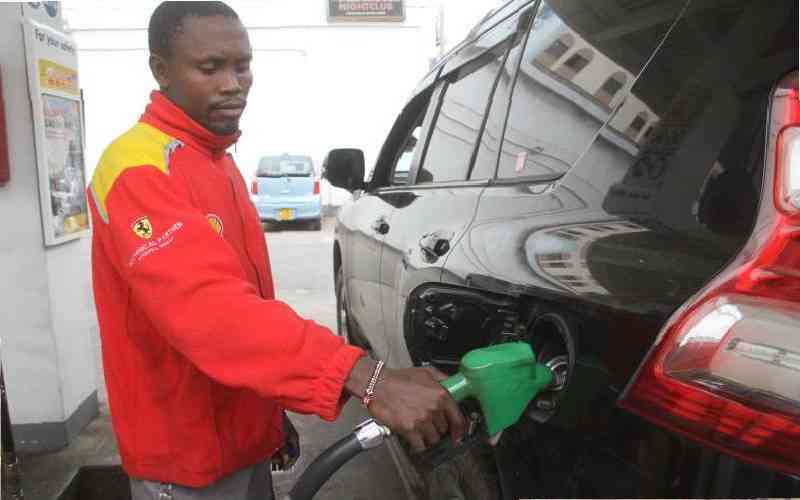
Kenya EPRA: Fuel Price Increase October 2026 Announced
Summary
- Kenya's Energy and Petroleum Regulatory Authority (EPRA) announced significant fuel price increases effective October 15 to November 14, 2026.
- Super petrol rose by Sh12.93, diesel by Sh9.90, and kerosene by Sh28.49 per litre.
- EPRA Director-General Edward Mwirigi Kinyua attributed the hikes to the escalating Middle East conflict disrupting petroleum supply chains.
- The price increases are expected to raise costs for low-income households relying on kerosene and elevate transport expenses for goods and public services.
- This follows a period where EPRA had maintained pump prices despite a decline in import costs during the previous month.
What Happened
The recent adjustments are set to impact various sectors of the Kenyan economy, from daily household budgets to the operational costs of key industries.
The Energy and Petroleum Regulatory Authority (EPRA) in Kenya has announced a substantial increase in fuel prices, a move that will affect motorists and households across the nation. This latest adjustment, which became effective on October 15, 2026, and will remain in place until November 14, 2026, marks a significant rise in the cost of essential petroleum products.
Specifically, the price of super petrol has climbed by Sh12.93 per litre, while diesel has seen an increase of Sh9.90 per litre. Kerosene, a vital fuel for many low-income households, experienced the most significant jump, rising by Sh28.49 per litre. Following these changes, consumers in Nairobi will now pay Sh226.96 for a litre of super petrol, Sh227.76 for diesel, and Sh219.85 for kerosene.
This Kenya EPRA fuel price increase in October 2026 follows a period where the regulatory body had maintained pump prices. During the preceding pricing cycle, from September 15 to October 14, EPRA opted to keep prices stable, even though there had been a reported decline in the cost of importing petrol during that time.
Regulatory Context
EPRA Director-General Edward Mwirigi Kinyua provided clarity on the factors driving these new price hikes. He explicitly linked the increases to the escalating conflict in the Middle East, which has had a direct and disruptive impact on global petroleum supply chains. This instability has, in turn, led to a higher cost of importing fuel into Kenya.
As the primary regulatory body for energy and petroleum in Kenya, EPRA is tasked with setting and reviewing fuel prices on a monthly basis, taking into account international crude oil prices, exchange rates, and other economic factors. The current decision underscores the vulnerability of domestic fuel prices to geopolitical events and global market dynamics, particularly concerning the cost of crude oil and refined products.
Economic Impact
The recent adjustments are set to impact various sectors of the Kenyan economy, from daily household budgets to the operational costs of key industries. The substantial rise in kerosene prices is particularly concerning for low-income households, many of whom depend on this fuel for their daily cooking and lighting needs, potentially exacerbating financial strain.
Furthermore, the higher diesel price in October 2026 is expected to have a ripple effect across the economy. Diesel is a critical component for Kenya's freight transport sector, powering the movement of goods across the country. It also fuels a significant portion of public service vehicles (PSVs). Consequently, businesses involved in logistics and transportation will face increased operational costs, which could lead to higher commodity prices for consumers and potentially increased public transport fares. This broad impact highlights the interconnectedness of fuel costs with the overall economic stability and cost of living in Kenya.
Practical Implications
Businesses in Kenya should review operational budgets and existing contracts, particularly those involving transportation or logistics, to account for increased fuel costs and potential inflationary pressures. Compliance officers should assess supply chain resilience and cost implications for their organizations.
Source
How does this affect you?
Get an AI analysis of this article grounded in your jurisdictions, practice areas, and any policy documents you've uploaded to Wansom.
Finish Reading the Full Story and the Expert Analysis.
Get the latest legal & regulatory intelligence in Kenya
Wansom is AI and can make mistakes.