
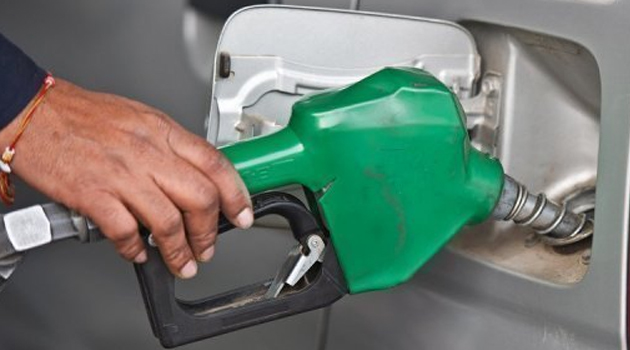
EPRA Kenya: Significant Fuel Price Increase Announced for October
Summary
- The Energy and Petroleum Regulatory Authority (EPRA) announced a significant fuel price increase in Kenya on October 14.
- Super Petrol prices rose by Sh12.93 per litre, while Diesel increased by Sh9.90 per litre.
- These new prices are effective immediately and will remain in force until EPRA's next monthly review in mid-November.
- The fuel price hike is expected to escalate transport costs and the overall prices of essential goods and services.
- EPRA's monthly fuel review considers factors such as imported petroleum product costs, exchange rates, and other applicable expenses.
What Happened
Consequently, consumers can anticipate higher prices for a wide array of essential commodities as businesses adjust their pricing structures to either absorb or transfer these new, higher operational costs.
The Energy and Petroleum Regulatory Authority (EPRA) in Kenya announced a significant fuel price increase on October 14, a development set to impact motorists and businesses across the nation. These new pump prices, which reflect a substantial adjustment, are scheduled to remain in effect until the middle of November, when the next regulatory review is due.
Specifically, the cost of Super Petrol has seen an increment of Sh12.93 per litre, pushing up the expenditure for private vehicle owners and commercial operators alike. Diesel, a critical fuel for various industrial and transport sectors, also experienced a notable rise, increasing by Sh9.90 per litre. This EPRA fuel price increase Kenya October marks a considerable shift in operational costs for many, directly affecting daily budgets and business viability.
Regulatory Context
The Energy and Petroleum Regulatory Authority (EPRA) in Kenya holds the mandate for conducting monthly reviews to establish and regulate the prevailing fuel prices across the country. This crucial regulatory function ensures that the prices at the pump are aligned with various market dynamics and the comprehensive costs associated with fuel importation and distribution. The recent adjustments, which became effective on October 14, are a direct outcome of this routine and systematic assessment process.
Several key factors are meticulously considered by EPRA during its monthly fuel review to arrive at the final pricing structure. These influential elements include the fluctuating global cost of imported petroleum products, which can be highly volatile. Furthermore, the prevailing exchange rate between the Kenyan Shilling and major international currencies plays a significant role, as does the inclusion of other applicable operational, logistical, and taxation costs incurred in the entire supply chain, from procurement to delivery to the consumer. The prices established in this October review are fixed and will remain valid until the subsequent scheduled review, anticipated to take place in mid-November.
Economic Ramifications
The recent petrol diesel price hike Kenya is poised to exert considerable pressure across multiple economic segments, creating a ripple effect throughout the national economy. Motorists will immediately feel the financial strain in their daily budgets, facing higher costs for personal transportation. Concurrently, public transport operators, who rely heavily on fuel for their services, are highly likely to pass on their increased operational expenses to commuters, potentially leading to an upward revision of fares. This direct impact on Kenya transport costs increase is a significant concern for the general populace, affecting affordability and accessibility.
Beyond individual consumers and public transport, the impact of fuel prices on business Kenya is expected to be profound and widespread. Companies operating in critical sectors such as logistics, manufacturing, and various service industries, all of which are heavily dependent on fuel for their daily operations, will inevitably face elevated expenditure. This surge in input costs is highly probable to translate into a knock-on effect across the supply chain, where the cost of transporting goods and providing essential services increases. Consequently, consumers can anticipate higher prices for a wide array of essential commodities as businesses adjust their pricing structures to either absorb or transfer these new, higher operational costs.
Practical Implications
Lawyers should advise clients in logistics, manufacturing, and transport sectors on the immediate impact of increased fuel costs on operational budgets and existing contractual obligations. This may necessitate reviewing supply chain agreements, pricing structures, and potential force majeure clauses, while also monitoring EPRA's future monthly price reviews for further adjustments.
Source
How does this affect you?
Get an AI analysis of this article grounded in your jurisdictions, practice areas, and any policy documents you've uploaded to Wansom.
Finish Reading the Full Story and the Expert Analysis.
Get the latest legal & regulatory intelligence in Kenya
Wansom is AI and can make mistakes.