
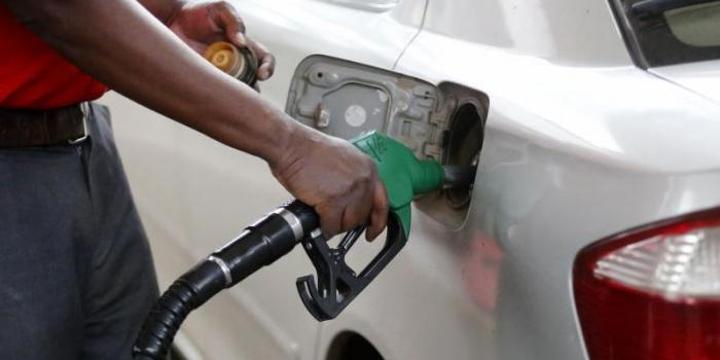
EPRA Kenya: Petrol Price Increase Set for October 2026
Summary
- The Energy and Petroleum Regulatory Authority (EPRA) has announced a significant fuel price increase in Kenya.
- Effective October 15, 2026, the price of super petrol will rise by Ksh 12.93 per litre.
- The price adjustments are primarily attributed to the escalating costs of imported fuels.
- Diesel prices are also set to increase, with a specific amount detailed in the announcement.
- This adjustment is part of EPRA's regular fuel price review process, reflecting global market dynamics.
What Happened
For legal professionals tasked with advising corporate clients, this development necessitates a highly proactive and strategic approach.
The Energy and Petroleum Regulatory Authority (EPRA) has officially declared a substantial adjustment to fuel prices across Kenya, with the new rates scheduled to become effective from October 15, 2026. This significant decision will result in a notable increase in the cost of petroleum products for consumers throughout the nation. The regulatory body explicitly attributed this upward revision primarily to the escalating prices of imported fuels on the international market, which directly influence local pricing structures.
Under the newly established pricing framework, a single litre of super petrol in Kenya is set to experience an increase of Ksh 12.93. This considerable rise is anticipated to have widespread implications, affecting not only individual motorists but also the operational expenses of commercial enterprises across various industries. EPRA confirmed that diesel prices would also undergo an upward adjustment of Ksh 9.90 per litre, reflecting the broader inflationary trends observed in global energy markets. This EPRA Kenya petrol price increase October 2026 review underscores the nation's susceptibility to international energy cost fluctuations.
Regulatory Context
As the principal governmental body tasked with the oversight and regulation of Kenya's energy and petroleum sectors, the Energy and Petroleum Regulatory Authority (EPRA) conducts periodic and thorough fuel price reviews. These regular assessments are absolutely crucial for ensuring that domestic fuel prices accurately reflect the prevailing conditions and dynamics within the international market, particularly concerning the landed cost of crude oil and refined petroleum products imported into the country. EPRA's comprehensive mandate extends to safeguarding consumer interests while simultaneously ensuring the long-term viability and stability of the national energy supply chain.
Why It Matters
The recently announced Kenya fuel price hike, particularly the significant Ksh 12.93 per litre increase for super petrol, carries profound economic implications for a multitude of sectors across the country. Businesses that are heavily reliant on transportation, including critical industries such as logistics, agricultural production, and manufacturing, will inevitably face considerably elevated operational expenditures. This surge in fundamental input costs could potentially trigger a ripple effect, leading to higher prices for a wide array of goods and services, thereby contributing to inflationary pressures and diminishing consumer purchasing power throughout the national economy.
For legal professionals tasked with advising corporate clients, this development necessitates a highly proactive and strategic approach. Lawyers should promptly alert their clients, especially those operating in sectors acutely sensitive to energy costs, to undertake meticulous reviews of their current operational budgets, existing supply chain contracts, and overarching pricing strategies. Ensuring strict compliance with all current contractual obligations and relevant consumer protection regulations becomes an absolutely paramount concern as companies endeavor to navigate the financial challenges posed by these increased fuel costs. The EPRA Kenya petrol price increase October 2026 serves as a critical economic indicator demanding swift and strategic business adjustments to maintain profitability and market stability.
Practical Implications
Lawyers advising businesses in sectors reliant on transportation or energy should alert clients to review operational budgets, supply chain contracts, and pricing strategies to account for the increased fuel costs, ensuring compliance with existing agreements and consumer protection regulations.
Source
How does this affect you?
Get an AI analysis of this article grounded in your jurisdictions, practice areas, and any policy documents you've uploaded to Wansom.
Finish Reading the Full Story and the Expert Analysis.
Get the latest legal & regulatory intelligence in Kenya
Wansom is AI and can make mistakes.