
Kédougou: 7 Arrested in Illegal Sachet Water Prosecution
Summary
- Seven individuals were arrested in Tenkoto and Kharakhéna, Kédougou, between October 8 and 9, 2026, for illegally producing sachet water.
- The Saraya Research Brigade charged them with illegal operation of production units and non-compliant administrative documents.
- Investigations revealed hygiene and safety rule violations, with some authorizations allegedly obtained through illicit means.
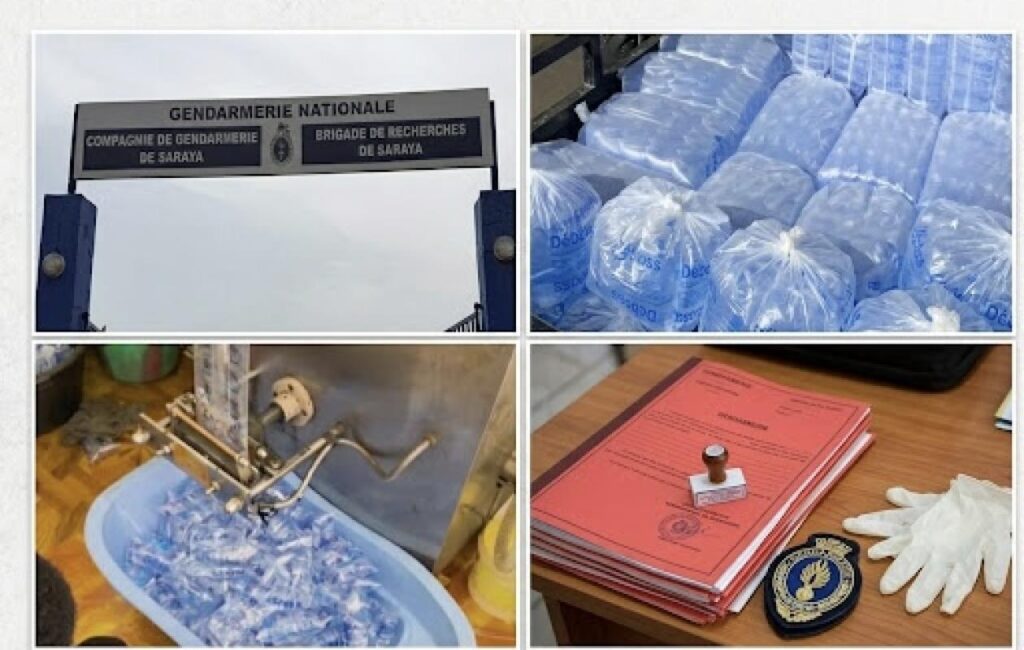
- Authorities seized 15 filtration machines, 49 filters, and other equipment, subsequently sealing the production facilities.
- The suspects were referred to the public prosecutor at the Kédougou High Court on October 12, 2026.
Illegal Sachet Water Production Uncovered in Kédougou
The Ministry of Industry and Commerce in Sénégal has actively warned against the proliferation of such products, citing significant contamination risks and urging consumers to prioritize sealed, labeled items while reporting suspicious goods to authorities.
Seven individuals were apprehended in the Kédougou region of Sénégal, specifically in the localities of Tenkoto and Kharakhéna, on October 8 and 9, 2026. The arrests were made in connection with the illicit manufacturing of sachet water, an operation that the Saraya Research Brigade identified as the illegal exploitation of production units. This enforcement action highlights a concerted effort to address unauthorized commercial activities within the region.
During the investigation, authorities discovered that the sachet water production facilities failed to adhere to established hygiene and safety regulations. Furthermore, administrative documents presented by the accused were found to be non-compliant, with some authorizations reportedly acquired through black market channels or utilized without proper regulatory procedures. Following the arrests, investigators seized a substantial amount of equipment, including 15 filtration machines and 49 filters, and subsequently sealed the implicated production units.
Regulatory Breaches and Public Health Concerns
The operation in Kédougou revealed significant regulatory breaches, extending beyond the mere absence of proper permits to include fundamental failures in maintaining sanitary and safe operating environments. The non-conformity of administrative documents in Kédougou, coupled with allegations of fraudulent authorization acquisition, underscores a broader challenge in the oversight of food and beverage production, particularly concerning potable water.
These clandestine production practices contribute to serious public health concerns, as the quality and safety of such sachet water cannot be guaranteed. The Ministry of Industry and Commerce in Sénégal has actively warned against the proliferation of such products, citing significant contamination risks and urging consumers to prioritize sealed, labeled items while reporting suspicious goods to authorities. This official stance emphasizes the government's commitment to protecting public health from the dangers posed by unregulated production.
Legal Proceedings Initiated
Following their apprehension and the subsequent investigation by the Saraya Research Brigade, the seven suspects involved in the illegal sachet water production were formally referred to the public prosecutor. This referral occurred on October 12, 2026, marking a critical step in the legal process. The case is now proceeding before the public prosecutor at the High Court of Kédougou.
The charges against the individuals center on the illegal exploitation of production units and the fraudulent use or acquisition of administrative authorizations. This prosecution in Kédougou sends a clear signal regarding the authorities' resolve to enforce regulations governing the production of consumables, particularly in the context of public health and safety. The outcome of these proceedings will likely reinforce the importance of strict adherence to all legal and regulatory frameworks for businesses operating in the food and beverage sector across Sénégal.
Practical Implications
Lawyers advising clients in the food and beverage sector, particularly those involved in sachet water production in Senegal, should emphasize the critical importance of strict compliance with hygiene, safety, and administrative authorization procedures. This case signals heightened enforcement and potential prosecution for companies operating with illegal production units or non-compliant permits, necessitating a review of current operational licenses and practices to mitigate legal exposure.
Source
Source: Original reporting via Kawtef
How does this affect you?
Get an AI analysis of this article grounded in your jurisdictions, practice areas, and any policy documents you've uploaded to Wansom.
Finish Reading the Full Story and the Expert Analysis.
Get the latest legal & regulatory intelligence in Senegal
Wansom is AI and can make mistakes.