
Dakar: Chauffeur Camion Ivre Déféré Parquet Après Incident Autoroute
Summary
- A commercial truck driver was apprehended for operating his vehicle while intoxicated on the Autoroute Seydina Limamou Laye in Dakar.
- The driver was transporting a cargo of alcoholic beverages at the time of his arrest.
- The Section des accidents du Commissariat central de Dakar referred the driver to the public prosecutor's office.
- This incident underscores Senegal's strict enforcement of drunk driving laws, especially for commercial vehicle operators.
What Happened
For transport companies operating within Senegal, this event should unequivocally prompt a critical and thorough review of their internal policies regarding driver conduct and substance abuse.
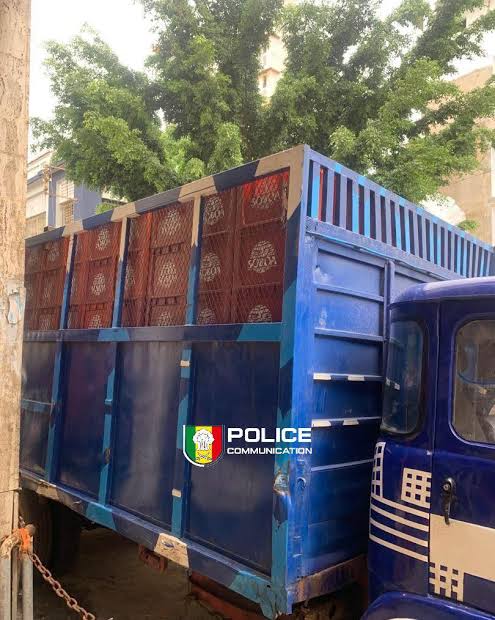
A commercial truck driver in Dakar was recently apprehended while operating his vehicle under the influence of alcohol, an incident that has led to his formal referral to the public prosecutor's office. The arrest took place on the Autoroute Seydina Limamou Laye, a vital transportation artery within the Senegalese capital, highlighting the pervasive nature of road safety concerns even on major highways. Authorities from the Section des accidents du Commissariat central de Dakar were responsible for the interdiction and subsequent processing of the individual.
The driver was at the wheel of a delivery truck, which was notably transporting a substantial cargo of alcoholic beverages at the time of his apprehension. This detail adds another layer of concern to the "Autoroute Seydina Limamou Laye incident," given the potential risks associated with such a load. Following his arrest for suspected intoxication, the individual was formally "déféré au parquet," signifying the initiation of legal proceedings against him. This decisive action by law enforcement underscores the serious approach taken regarding impaired driving, particularly when involving commercial transport operators in Dakar.
Legal Context in Senegal
Senegal's legal framework, specifically its "droit pénal routier Sénégal," imposes stringent penalties for "conduite en état d'ivresse," reflecting a national commitment to public safety on its roads. These regulations are meticulously designed to deter impaired driving and significantly enhance road safety across the nation. For professional drivers, such as the individual involved in the recent incident on the Autoroute Seydina Limamou Laye, the legal ramifications can be particularly severe, acknowledging the heightened responsibility associated with operating large commercial vehicles.
The fact that the driver was operating a truck engaged in "transport commercial alcool Dakar" further amplifies the gravity of the situation under Senegalese law. Commercial vehicle operators are generally held to a higher standard due to the potential for greater harm and more widespread consequences if an accident occurs. The formal referral to the parquet indicates that the case will proceed through the judicial system, where the public prosecutor will meticulously determine the appropriate charges based on the evidence meticulously collected by the Section des accidents du Commissariat central de Dakar. This process not only ensures accountability but also highlights the robust enforcement mechanisms in place to uphold road safety standards.
Why It Matters
This specific case, involving a "chauffeur camion ivre déféré parquet Dakar," serves as a stark and unequivocal reminder of the rigorous enforcement of drunk driving laws in Senegal. It particularly emphasizes the zero-tolerance approach adopted by authorities towards commercial drivers found to be operating under the influence, recognizing their critical role in public safety. The incident on the Autoroute Seydina Limamou Laye underscores the continuous and unwavering efforts by law enforcement to curb road fatalities and injuries directly attributable to impaired driving.
For transport companies operating within Senegal, this event should unequivocally prompt a critical and thorough review of their internal policies regarding driver conduct and substance abuse. Ensuring strict compliance with "droit pénal routier Sénégal" and implementing robust monitoring systems are not merely recommendations but crucial steps to mitigate both potential corporate liability and significant operational disruptions. The decisive actions taken by the Section des accidents du Commissariat central de Dakar in this instance send a clear and unambiguous message about the unwavering commitment to road safety and the paramount importance of accountability for all drivers, especially those entrusted with professional capacities.
Practical Implications
This incident highlights the strict enforcement of drunk driving laws in Senegal, particularly for commercial vehicle operators. Lawyers advising transport companies should review their clients' driver substance abuse policies and compliance measures to mitigate potential corporate liability and operational disruptions.
Source
How does this affect you?
Get an AI analysis of this article grounded in your jurisdictions, practice areas, and any policy documents you've uploaded to Wansom.
Finish Reading the Full Story and the Expert Analysis.
Get the latest legal & regulatory intelligence in Senegal
Wansom is AI and can make mistakes.