
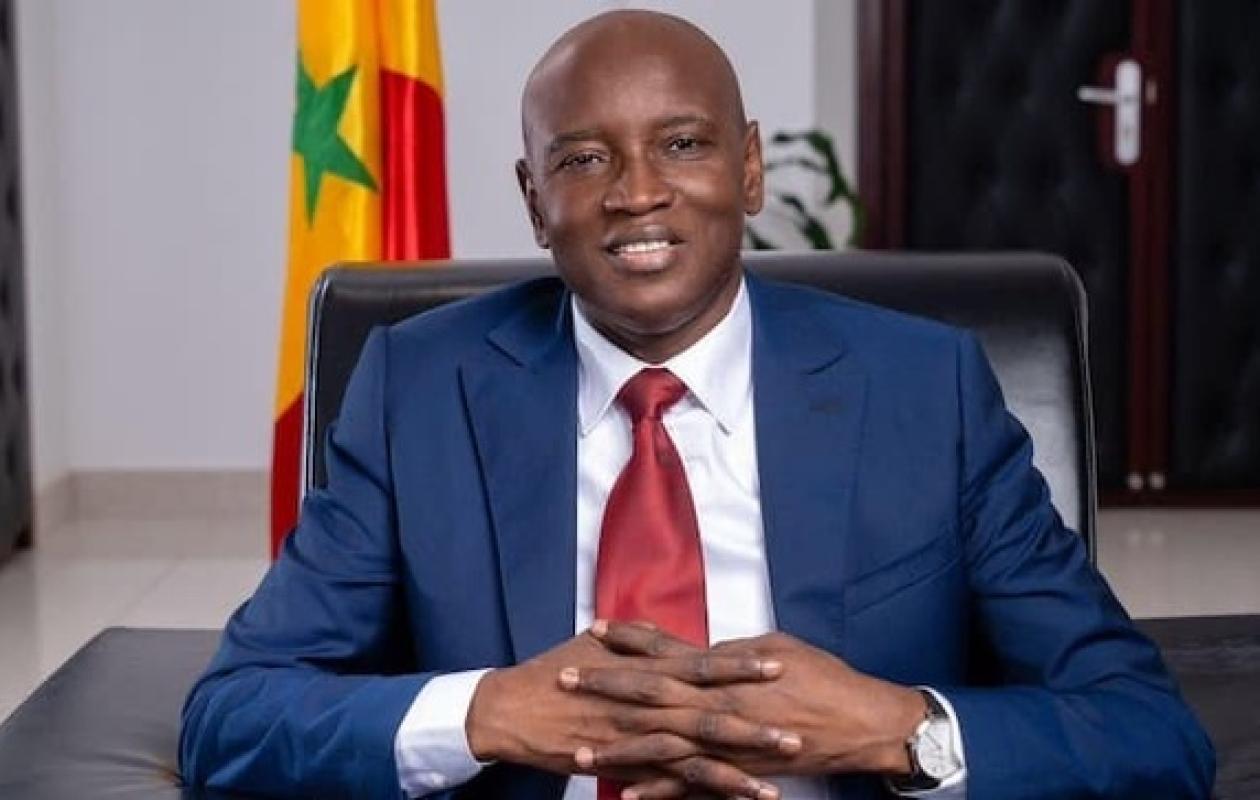
Sénégal Commissions Enquête Parlementaires: Aly Ndiaye Sur Comparution
Summary
- Former Interior Minister Aly Ngouille Ndiaye believes individuals should voluntarily participate in parliamentary inquiries but criticized some deputies' conduct.
- He noted historical precedents of prominent figures, including the National Assembly President, expressing reluctance to respond to commissions.
- In July 2025, the Constitutional Council censored a provision that allowed parliamentary commissions to compel the attendance of summoned individuals.
- This ruling significantly limits the powers of inquiry commissions, removing the legal basis for forced appearances.
- The decision grants individuals greater discretion regarding their physical presence before Senegalese parliamentary inquiry commissions.
Aly Ngouille Ndiaye's Stance on Parliamentary Inquiries
This landmark ruling by the Constitutional Council fundamentally alters the pouvoirs commissions enquête Sénégal, shifting the dynamic from one of potential coercion to one that relies more heavily on voluntary cooperation.
Aly Ngouille Ndiaye, a former Minister of Interior, recently offered his perspective on the operations of parliamentary inquiry commissions in Senegal, emphasizing that individuals called to testify should appear and provide information. Speaking to Senegal7, in comments later reported by Seneweb, Ndiaye articulated a nuanced view, acknowledging the value of certain questions posed by these commissions while expressing reservations about others. He specifically criticized the conduct of some deputies, suggesting that the nature of these hearings should not emulate the investigative methods typically associated with police or gendarmerie work.
Ndiaye further highlighted that the principle of voluntary participation has historical precedent among prominent figures. He recalled that the President of the National Assembly had previously indicated an unwillingness to respond to a commission of inquiry. Additionally, he cited Birame Souleye Diop and Guy Marius Sagna as individuals who have, in the past, articulated similar positions regarding their engagement with such parliamentary bodies. The former minister also commended the testimony of Abdou Karim Fofana, describing his responses as pertinent. Beyond the scope of commissions, Ndiaye also touched upon other matters, asserting that Serigne Bassirou Guèye, Advocate General at the Court of Appeal of Saint-Louis, is legitimately entitled to the villas attributed to him, drawing a parallel with other magistrates and tax and land registry agents who receive land allocations. Politically, Ndiaye expressed skepticism about combining legislative and local elections, believing it would not benefit the current government. He also stated he would have dissolved the National Assembly, though not necessarily on December 2nd, and confirmed his party, PSD Njariñ, is open to various electoral strategies, including independent campaigns or alliances with the ruling party or other groups, having recently launched a membership platform.
Constitutional Council Limits Compulsory Appearance
A pivotal development impacting the Sénégal commissions enquête parlementaires comparution occurred in July 2025, when the Sénégal Conseil constitutionnel commissions enquête issued a significant ruling. The Council effectively censored a specific provision within the internal regulations (règlement intérieur) of the National Assembly. This particular clause had previously granted parliamentary inquiry commissions the authority to compel the attendance of summoned individuals, thereby enforcing their presence. The Council's decision directly addresses the legality of comparution forcée commissions parlementaires Sénégal, removing the power to mandate appearances.
This landmark ruling by the Constitutional Council fundamentally alters the pouvoirs commissions enquête Sénégal, shifting the dynamic from one of potential coercion to one that relies more heavily on voluntary cooperation. While Aly Ngouille Ndiaye advocates for the principle of participation in these hearings, the Council's decision ensures that such participation cannot be legally enforced through the previously existing mechanism. This change in droit parlementaire sénégalais means that individuals now have greater discretion regarding their physical presence before these commissions, even if the expectation for cooperation remains.
Redefining Engagement with Parliamentary Inquiries
The combined effect of Aly Ngouille Ndiaye's public commentary and the Constitutional Council's ruling has significant implications for how individuals engage with parliamentary inquiry commissions in Senegal. The Council's decision, which struck down the provision for compulsory attendance, underscores a critical limitation on the investigative powers of the Assemblée nationale Sénégal. This legal clarification provides a new framework for those summoned, granting them a clearer understanding of their rights and obligations concerning their comparution before these bodies.
For legal professionals advising clients in Senegal, this ruling is particularly relevant. It means that while cooperation with commissions enquête parlementaires is often advisable, the legal mechanism for comparution forcée no longer exists. This empowers individuals to approach summons with a different strategy, focusing on the quality and relevance of information provided, as Ndiaye suggested, rather than being solely concerned with the legal compulsion to appear. The emphasis now shifts towards a more deliberative and less coercive form of parliamentary oversight, aligning with a system where individuals are expected to contribute information willingly, rather than under duress.
Practical Implications
Lawyers advising clients summoned by Senegalese parliamentary inquiry commissions must be aware of the Constitutional Council's ruling that limits the power to compel attendance, providing more discretion for individuals regarding their participation and potentially influencing response strategies.
Source
How does this affect you?
Get an AI analysis of this article grounded in your jurisdictions, practice areas, and any policy documents you've uploaded to Wansom.
Finish Reading the Full Story and the Expert Analysis.
Get the latest legal & regulatory intelligence in Senegal
Wansom is AI and can make mistakes.