
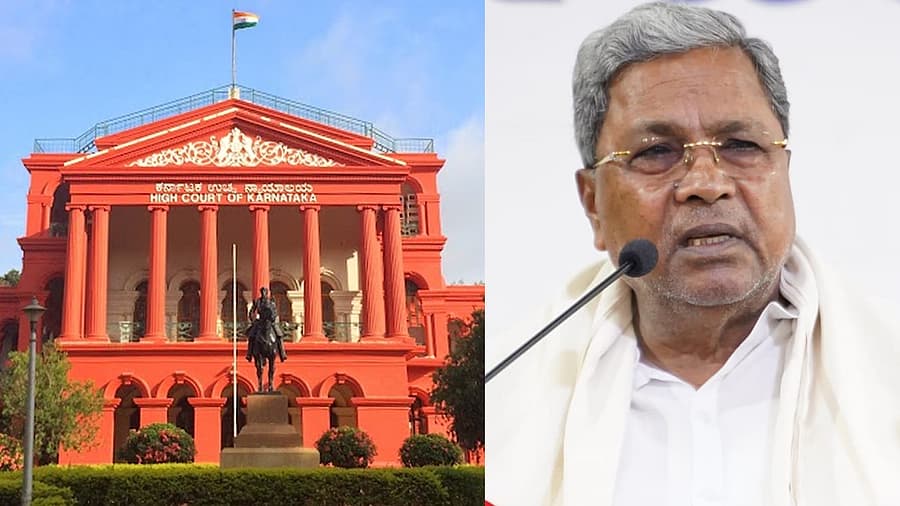
Karnataka High Court: Quashes 153A Case Over Siddaramaiah Post
Summary
- The Karnataka High Court quashed criminal proceedings against a man accused of promoting communal enmity for a social media post.
- The post involved reposting a TV9 news clip about then-Chief Minister Siddaramaiah's alleged plans to distribute wealth to Muslims.
- Justice Rajesh Rai K ruled that the post did not satisfy the essential ingredients of Section 153A of the Indian Penal Code.
- The court emphasized that merely reposting content or expressing dissent, without specific reference to two distinct groups, does not constitute promoting enmity.
- The complaint originated from a Congress party worker, alleging intent to incite hatred between Hindu and Muslim communities.
Court Quashes Communal Enmity Case
The court underscored that for an act to fall under Section 153A, there must be an explicit reference to two distinct groups or communities, a criterion which the reposted content failed to meet.
The Karnataka High Court recently delivered a significant ruling, quashing criminal proceedings initiated against an individual accused of promoting communal enmity. The case centered on a social media post that reposted a news clip from TV9, which carried a headline suggesting that then-Chief Minister Siddaramaiah intended to distribute the nation's wealth to Muslims.
Justice Rajesh Rai K, presiding over the matter, issued the decision on November 6. The court determined that the content of the social media post, even when considered at face value, did not fulfill the fundamental requirements of Section 153A of the Indian Penal Code (IPC). This section specifically addresses the offense of promoting animosity between different groups based on religion, race, place of birth, residence, language, etc., and doing acts prejudicial to maintenance of harmony. The ruling effectively means that the allegations did not meet the legal threshold for prosecution under this particular statute.
Legal Interpretation of Section 153A IPC
Central to the court's decision was its strict interpretation of Section 153A of the Indian Penal Code. Justice Rai K observed that the petitioner had merely shared a news item originally disseminated by TV9, alongside a photograph of the then-Chief Minister, and accompanied it with a personal expression of dissent. The court underscored that for an act to fall under Section 153A, there must be an explicit reference to two distinct groups or communities, a criterion which the reposted content failed to meet.
This ruling clarifies that the mere act of reposting content or expressing disagreement, without specifically identifying and targeting two separate groups, does not inherently constitute promoting communal enmity. The absence of such a direct and specific reference to distinct communities was deemed crucial by the court, indicating a higher bar for establishing charges under this section. This precedent is particularly relevant for understanding the boundaries of promoting communal enmity on social media.
Origin of the Complaint
The legal challenge originated from a complaint filed on April 29, 2024, by a worker affiliated with the Congress party. The complainant alleged that various individuals had been disseminating tweets since April 22, 2024, from a social media account identified as 'BhikuMhatre (Modi's Family) @MumbaichaDon'.
One particular post highlighted in the complaint featured a photograph of Siddaramaiah addressing the media. This image was paired with a caption that asserted the Congress manifesto specifically mentioned Muslims in the context of wealth distribution. The complainant contended that this post was deliberately intended to foster hatred between the Hindu and Muslim communities, thereby disturbing public peace and bringing disrepute to the former Chief Minister and the party.
Implications for Freedom of Speech
The Karnataka High Court's decision to quash the 153A Siddaramaiah post case carries significant implications for freedom of speech in India, especially concerning criminal proceedings related to social media content. The ruling by Justice Rajesh Rai K reinforces the principle that charges under Section 153A of the Indian Penal Code require more than just a critical or dissenting post; they demand clear evidence of intent to promote enmity between specific, identifiable groups.
This judgment provides a crucial safeguard against the arbitrary application of laws designed to prevent communal disharmony, ensuring that expressions of dissent or the sharing of news, even if controversial, are not automatically conflated with inciting hatred. It highlights the judiciary's role in protecting individual liberties while upholding the integrity of legal statutes concerning public order and communal harmony. The ruling sets a precedent for a more rigorous examination of the 'essential ingredients' of such offenses.
Practical Implications
This ruling clarifies the strict interpretation of Section 153A IPC, establishing that merely reposting content or expressing dissent without explicit reference to two distinct groups or communities may not satisfy the essential ingredients for promoting communal enmity. Lawyers should leverage this precedent when defending clients against similar charges, emphasizing the need for clear intent and specific targeting of groups.
Source
How does this affect you?
Get an AI analysis of this article grounded in your jurisdictions, practice areas, and any policy documents you've uploaded to Wansom.
Finish Reading the Full Story and the Expert Analysis.
Get the latest legal & regulatory intelligence in India
Wansom is AI and can make mistakes.