
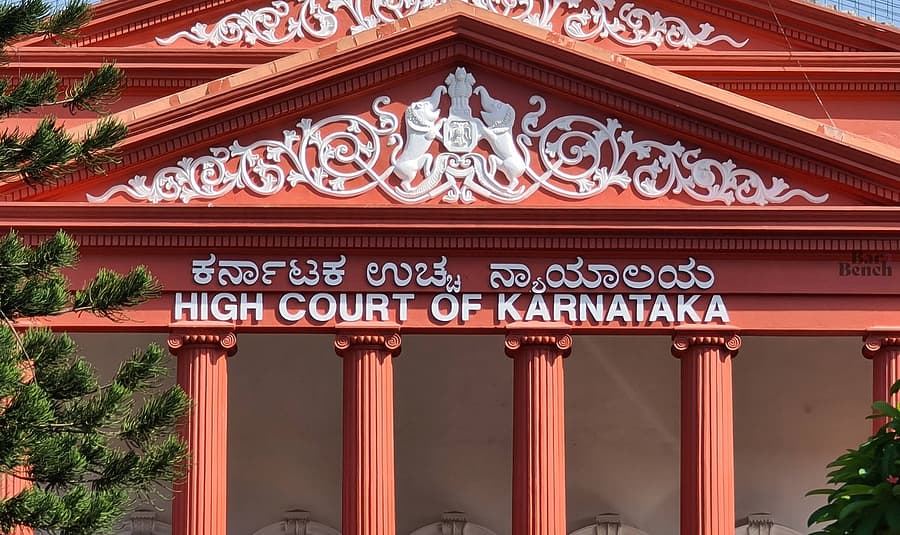
Karnataka High Court: Quashes MedPlus Criminal Case Over ₹1.12 Overcharge
Summary
- The Karnataka High Court quashed criminal proceedings against MedPlus and its officials over an alleged ₹1.12 overcharge.
- The case stemmed from a customer receiving seven tablets instead of eight, despite being billed for eight.
- Justice S Vishwajith Shetty ruled that the allegations did not satisfy the essential ingredients of an offense under the Drugs (Price Control) Order, 2013.
- The court found that the alleged short supply and minor overcharge did not establish a sale exceeding the permissible ceiling price.
- This ruling sets a precedent regarding the threshold for prosecuting minor pharmaceutical pricing violations.
What Happened
The Karnataka High Court quashes MedPlus case, establishing a noteworthy precedent for pharmaceutical companies and retail chains operating under stringent pricing regulations.
The Karnataka High Court recently intervened to quash criminal proceedings initiated against the pharmaceutical retail chain MedPlus and several of its officials. This significant ruling, delivered on November 13, addressed allegations of an overcharge amounting to a mere ₹1.12 from a customer who received fewer tablets than billed.
The incident central to the case involved a purchase made on August 23, 2016, by Shrinath Joshi, a Senior Reporter with News18 Kannada (formerly ETV Kannada News). Joshi had bought Lanzol Junior 15 mg tablets, for which MedPlus issued a bill totaling ₹40.32, ostensibly for eight tablets. However, the customer was reportedly supplied with only seven tablets, leading to the alleged excess collection of ₹1.12, representing the cost of the missing tablet.
Following Joshi's complaint lodged on August 26, 2016, the Assistant Drugs Controller of Bengaluru filed a private complaint, which subsequently led to the initiation of criminal proceedings against MedPlus and its associated officials. These proceedings were the subject of the petitions brought before the High Court.
Legal Context
The prosecution's case against MedPlus invoked Clause 26 of the Drugs (Price Control) Order, 2013, read in conjunction with Section 7 of the Essential Commodities Act. These provisions are designed to regulate the pricing and supply of essential drugs, aiming to prevent overcharging and ensure availability.
However, Justice S Vishwajith Shetty, presiding over the case of M/s MedPlus & others v. State of Karnataka, determined that the allegations did not meet the fundamental requirements for an offense under the Drugs (Price Control) Order, 2013. The court specifically observed that the alleged short supply of one tablet and the corresponding collection of ₹1.12 did not definitively establish that MedPlus had sold the drug at a price exceeding the legally permissible ceiling price.
Justice Shetty's ruling allowed two petitions filed by MedPlus and its officials, concluding that continuing the prosecution based on these facts would cause "embarrassment" to the accused. This interpretation underscored a critical aspect of the Drugs (Price Control) Order 2013 interpretation, suggesting a threshold for what constitutes a prosecutable pharmaceutical pricing violation.
Why It Matters
The Karnataka High Court quashes MedPlus case, establishing a noteworthy precedent for pharmaceutical companies and retail chains operating under stringent pricing regulations. This Justice S Vishwajith Shetty ruling clarifies that minor discrepancies, such as an alleged ₹1.12 overcharge for a single tablet, may not fulfill the essential ingredients required for a successful prosecution under the Drugs (Price Control) Order, 2013.
This decision provides crucial guidance on the enforcement of pharmaceutical pricing regulations, particularly concerning the application of Section 7 Essential Commodities Act in such contexts. It suggests that regulatory actions must consider the substantive nature of the alleged violation, rather than merely the existence of a minor financial discrepancy. The court's finding that the specific facts did not prove a sale above the ceiling price is a key takeaway.
Ultimately, the quashing of this pharmaceutical pricing violation provides a significant judicial interpretation, highlighting that not every minor error or alleged overcharge automatically constitutes a criminal offense under the prevailing drug pricing control mechanisms. This could influence how future complaints and prosecutions are handled, emphasizing the need for a clear demonstration that a drug was sold above its permissible ceiling price.
Practical Implications
This ruling provides a significant precedent for pharmaceutical companies and retail chains, clarifying that minor discrepancies (e.g., ₹1.12 overcharge for one tablet) may not meet the essential ingredients for prosecution under the Drugs (Price Control) Order, 2013. Lawyers should advise clients on the de minimis principle in regulatory enforcement, particularly regarding drug pricing, and compliance officers should review internal protocols for handling minor pricing errors to align with this judicial interpretation.
Source
How does this affect you?
Get an AI analysis of this article grounded in your jurisdictions, practice areas, and any policy documents you've uploaded to Wansom.
Finish Reading the Full Story and the Expert Analysis.
Get the latest legal & regulatory intelligence in India
Wansom is AI and can make mistakes.