
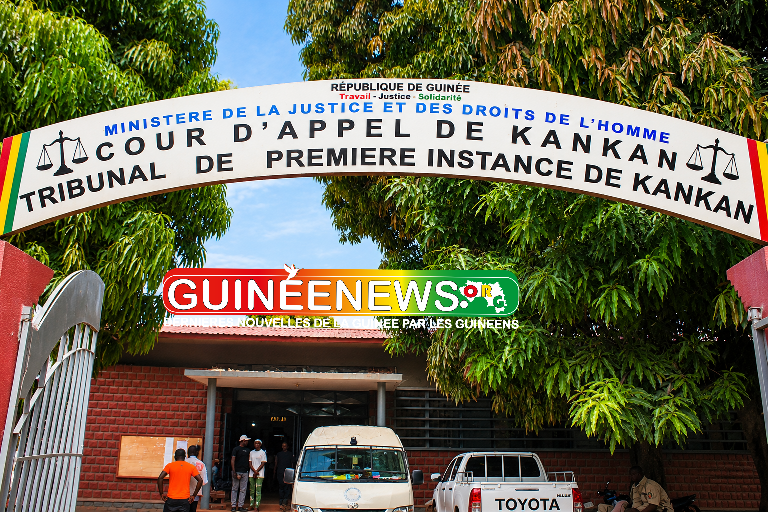
Kankan Tribunal: 39 Released, Major Drug Case Collapses in Guinée
Summary
- Thirty-nine individuals arrested in Kankan for alleged drug offenses were released by the court.
- The arrests occurred in September 2026 during an operation targeting Indian hemp under the Milo bridge.
- The Tribunal de première instance of Kankan ordered their release on November 4, 2026, after their court appearance.
- This Kankan drug case collapse highlights potential procedural or evidentiary weaknesses in the prosecution's case.
What Happened: Mass Release After Drug Bust
The Kankan drug case collapse, resulting in 39 individuals released, carries substantial implications for both defense attorneys and prosecutors across Guinée.
In a notable development from Kankan, Guinée, thirty-nine individuals who had been apprehended in connection with alleged drug offenses were granted their freedom. Their release occurred on Wednesday, November 4, 2026, following an appearance before the Tribunal de première instance (TPI) of Kankan. This outcome marks the collapse of a substantial drug case that had seen these individuals detained for several weeks, drawing attention to the judicial process in the region.
The arrests took place in September 2026 as part of a targeted operation specifically aimed at combating the alleged possession, commercialization, and consumption of Indian hemp. The specific location of the operation was under the Milo bridge in Kankan, a key area identified in efforts to curb illicit drug activities. The swift and complete release of all those implicated, without any proceeding to trial or conviction, raises significant questions about the initial evidence or the procedural handling of the case by authorities.
Judicial Proceedings and Outcome
The decision to release all thirty-nine defendants came directly from the Kankan Tribunal de première instance after their initial court appearance. Despite the initial arrests stemming from a focused anti-drug initiative, the court proceedings concluded with no charges upheld against the entire group. This collective liberation of all individuals involved in what was known as the "Guinée drogue affaire Milo" signals a critical moment for the local justice system, highlighting the rigorous standards required for prosecution.
The outcome strongly suggests that the prosecution's case, as presented to the Tribunal de première instance, failed to meet the necessary legal thresholds for continued detention or conviction. The complete exoneration of such a large group, all arrested simultaneously in a single operation targeting "détention chanvre indien Guinée," is an unusual occurrence in drug-related cases and underscores potential weaknesses in the investigative or prosecutorial phases.
Implications for Legal Strategy and Enforcement
The Kankan drug case collapse, resulting in 39 individuals released, carries substantial implications for both defense attorneys and prosecutors across Guinée. For defense lawyers, this case provides a compelling example of how procedural or evidentiary weaknesses can lead to the complete dismissal of charges, even in large-scale operations. It offers a potential precedent for challenging similar drug-related accusations, encouraging a thorough examination of arrest protocols, evidence collection, and the overall legal framework employed by law enforcement.
Conversely, prosecutors must critically review the circumstances surrounding this mass release to understand the underlying causes. Identifying and addressing any deficiencies in the initial investigations, the methods of evidence gathering, or the presentation of the case in court is crucial to prevent similar outcomes in the future. The integrity and effectiveness of future anti-drug operations, such as the "opération Milo bridge Kankan," depend on robust legal preparation and strict adherence to due process to ensure that justice is not only pursued but also effectively served within the legal system. This incident serves as a stark reminder of the importance of meticulous legal work from the outset of any criminal investigation.
Practical Implications
Defense lawyers in Guinea should analyze this case for potential procedural or evidentiary weaknesses that led to the mass release of defendants, which could serve as a precedent for challenging similar drug-related charges. Prosecutors should review the case to identify and address deficiencies in investigations or case presentation to prevent future collapses.
Source
How does this affect you?
Get an AI analysis of this article grounded in your jurisdictions, practice areas, and any policy documents you've uploaded to Wansom.
Wansom is AI and can make mistakes.