
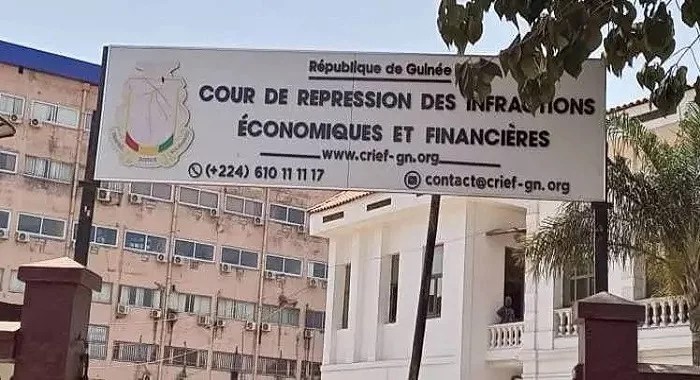
Louncény Nabé 3 Tonnes d'Or: Ex-Central Bank Chief Faces CRIEF in Guinea
Summary
- Dr. Louncény Nabé, former governor of the Central Bank of the Republic of Guinea, appeared before the CRIEF on November 4, 2026.
- He faces prosecution for alleged embezzlement of public funds, illicit enrichment, and corruption.
- The case is widely known as the "Affaire des 3 tonnes d’or à la BCRG."
- His appearance before the specialized court highlights Guinea's increased focus on combating high-level financial crime.
The Proceedings Begin
This particular case, often identified by the public as the "Affaire 3 tonnes d'or Guinée", serves as a potent example of increased enforcement activity against alleged public corruption and illicit enrichment within the nation.
Dr. Louncény Nabé, who previously served as the governor of the Central Bank of the Republic of Guinea (BCRG), recently faced judicial scrutiny. On Wednesday, November 4, 2026, he presented himself before the judgment chamber of the Court for the Repression of Economic and Financial Offenses (CRIEF). This appearance marks a significant development in the ongoing legal process concerning allegations of financial misconduct. The former central bank chief is currently being prosecuted on several serious charges, including the alleged embezzlement of public funds, illicit enrichment, and corruption.
The case against Dr. Nabé, often referred to as the "Affaire 3 tonnes d'or Guinée", has drawn considerable attention due to the gravity of the accusations and the prominent position he once held. His presence before the CRIEF underscores the judicial system's commitment to addressing alleged abuses of power and financial impropriety. The specific allegations of "détournement deniers publics Guinée" and "corruption Banque Centrale Guinée" are central to the prosecution's case, suggesting a comprehensive investigation into his tenure at the nation's primary financial institution. The legal process is now underway to determine the veracity of these claims and to ensure accountability for any proven offenses.
Context of the Allegations
The prosecution of Dr. Louncény Nabé is intrinsically linked to the widely publicized "Affaire 3 tonnes d'or Guinée", a matter that has cast a shadow over the operations of the Central Bank of the Republic of Guinea. While the source text does not detail the specifics of the gold, the case name itself indicates the scale of the alleged financial irregularities under investigation. As the former head of the BCRG, Dr. Nabé held a position of immense trust and responsibility over the nation's financial assets. The charges of "détournement deniers publics Guinée" directly relate to the alleged misuse or misappropriation of state funds, which, given his former role, would have been under his purview.
Furthermore, the accusations of illicit enrichment suggest that Dr. Nabé may have unlawfully profited from his official capacity, accumulating wealth through illicit means. The charge of corruption, a broad category, points to the alleged abuse of power for personal gain or to influence official decisions. These allegations, particularly concerning a figure of his stature, underscore the challenges faced by Guinea in upholding financial integrity and combating high-level financial crime. The proceedings before the CRIEF are expected to shed more light on the intricate details surrounding the alleged "Louncény Nabé 3 tonnes d'or" scandal and the extent of any wrongdoing within the central bank.
Legal Implications and Enforcement
The establishment and active role of the Court for the Repression of Economic and Financial Offenses (CRIEF) in cases such as that involving Dr. Louncény Nabé signal a robust commitment by Guinean authorities to address financial malfeasance. This specialized court is tasked with prosecuting complex economic and financial crimes, and its engagement in such a high-profile case involving a former central bank governor demonstrates its operational capacity and resolve. The prosecution of Dr. Nabé for alleged "détournement deniers publics Guinée", illicit enrichment, and "corruption Banque Centrale Guinée" sends a clear message regarding the government's stance on accountability for public officials.
This particular case, often identified by the public as the "Affaire 3 tonnes d'or Guinée", serves as a potent example of increased enforcement activity against alleged public corruption and illicit enrichment within the nation. The fact that a figure like "Louncény Nabé CRIEF" is facing trial underscores a broader effort to strengthen governance and transparency in Guinea's financial sector. For legal professionals and entities operating within Guinea, this development highlights the imperative of reviewing compliance frameworks and assessing risk exposure, especially concerning interactions with public funds or financial institutions. The outcome of these proceedings will undoubtedly have lasting implications for the country's anti-corruption landscape and its efforts to foster a more transparent economic environment.
Practical Implications
Lawyers advising clients with operations in Guinea, particularly those involving public funds or financial institutions, should note the ongoing high-profile prosecution of a former central bank governor. This signals increased enforcement activity against alleged public corruption and illicit enrichment, necessitating a review of compliance frameworks and risk exposure for similar charges.
Source
How does this affect you?
Get an AI analysis of this article grounded in your jurisdictions, practice areas, and any policy documents you've uploaded to Wansom.
Wansom is AI and can make mistakes.