
JUSTICIA ASBL: Poursuites Policiers RMC Mining Lualaba Demanded
Summary
- JUSTICIA ASBL, a human rights NGO, has called for the prosecution of police officers involved in an irregular deployment at RMC Mining in Lualaba.
- The Provincial Police Commissioner of Lualaba and the Commander of the National Intervention Legion (LNI) were suspended on October 9 due to this incident.
- The irregular police deployment occurred at the RMC Mining site in Kolwezi, Lualaba province.
- JUSTICIA ASBL commended the suspensions but insists on criminal charges for the implicated officers.
Heightened Scrutiny on Police Conduct
JUSTICIA ASBL is now actively pushing for the criminal prosecution of all police officers involved in this "déploiement irrégulier police RMC Mining," emphasizing the need for judicial consequences beyond administrative sanctions.
The human rights organization JUSTICIA ASBL has publicly acknowledged recent disciplinary actions taken against high-ranking police officials in Lualaba, while simultaneously advocating for further legal proceedings against officers implicated in an unauthorized security operation. This development underscores a growing demand for accountability within the Democratic Republic of Congo's security apparatus.
Specifically, the organization commended the suspension, effective October 9, of both the Provincial Police Commissioner of Lualaba and the Commander of the National Intervention Legion (LNI). These significant administrative measures were a direct consequence of an irregular deployment of police personnel to the RMC Mining site.
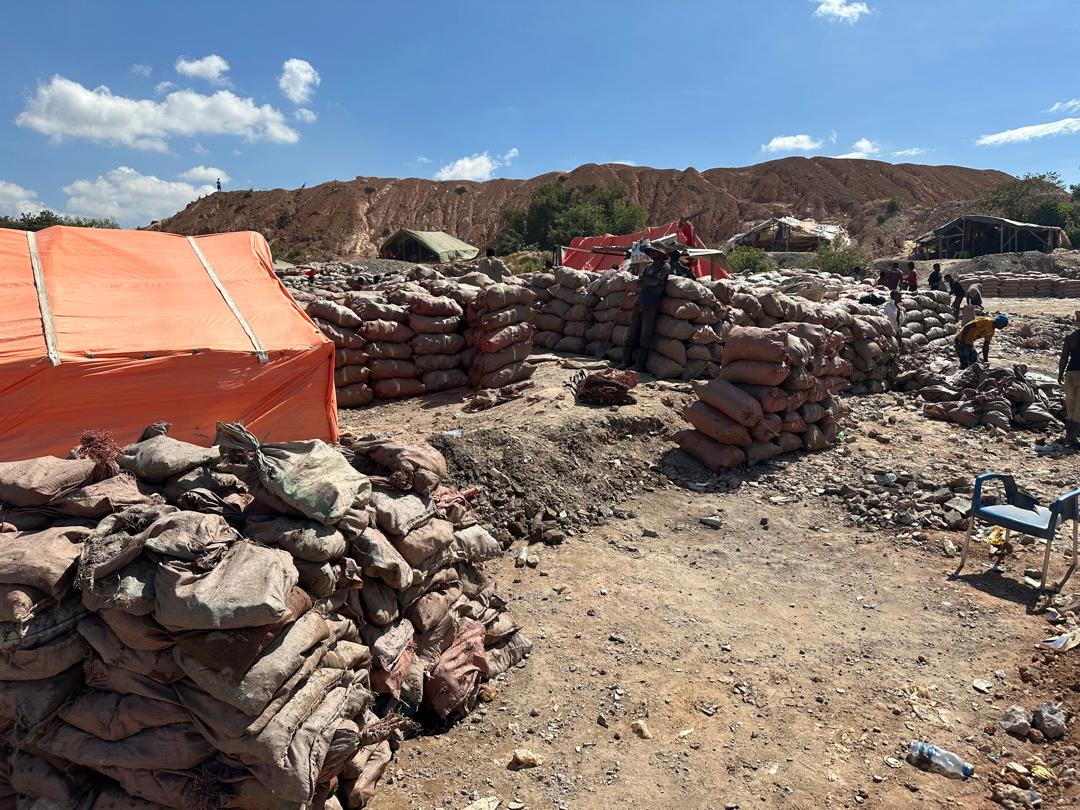
The incident in question involved police officers being dispatched to the RMC Mining facility, situated in Kolwezi, within the Lualaba province, under circumstances that were subsequently judged to be non-compliant with established protocols. JUSTICIA ASBL is now actively pushing for the criminal prosecution of all police officers involved in this "déploiement irrégulier police RMC Mining," emphasizing the need for judicial consequences beyond administrative sanctions.
Legal and Regulatory Context in DRC Mining
The incident at RMC Mining and the subsequent "suspension commissaire provincial police Lualaba" highlight the intensified scrutiny surrounding the conduct of security forces within the Democratic Republic of Congo's vital mining sector. Operations involving state police at private concessions, particularly in mineral-rich regions like Lualaba, are increasingly under the microscope of both local and international human rights advocates.
The active involvement of organizations such as JUSTICIA ASBL RDC signals a robust and growing demand for transparency and accountability regarding the actions of state security actors. This particular case serves as a potent reminder of the potential for violations of "droits humains RDC minière" when police deployments lack proper authorization, clear mandates, and stringent oversight.
Adherence to the legal framework governing police engagement with private entities is paramount, especially in sensitive areas such as Kolwezi. The disciplinary actions taken against the LNI commander and the provincial commissioner underscore a recognition by authorities of the serious implications associated with unauthorized interventions by law enforcement at private industrial sites.
Implications for Accountability and Corporate Responsibility
The explicit demand by JUSTICIA ASBL for "poursuites policiers RMC Mining Lualaba" represents a critical step towards establishing greater justice and deterring future instances of irregular deployments. This advocacy aims to ensure that individual officers, and potentially those in command, are held criminally liable for actions that fall outside legal and ethical boundaries.
The suspensions on October 9 of the Provincial Police Commissioner of Lualaba and the "Kolwezi police LNI" commander, directly linked to the events at RMC Mining, convey an unequivocal message regarding the unacceptability of unauthorized security operations. This development places increased pressure on both governmental institutions and private mining companies to guarantee that all security arrangements are in full compliance with national legislation and international human rights standards.
Ultimately, this situation holds significant implications for the protection of "droits humains RDC minière" and is poised to set a precedent for enhanced transparency and legality in the interactions between police forces and mining operations. It reinforces the principle that even high-ranking officials are subject to consequences for actions that contravene established protocols concerning police deployments, thereby fostering a more accountable environment.
Practical Implications
Lawyers advising mining companies in the DRC, particularly in Lualaba, should note the increased scrutiny on the legality of police deployments at mining sites and the potential for human rights organizations to demand prosecution of officers involved in irregular operations. This development signals a heightened risk of legal action and reputational damage for companies whose security arrangements involve non-compliant police actions.
Source
How does this affect you?
Get an AI analysis of this article grounded in your jurisdictions, practice areas, and any policy documents you've uploaded to Wansom.
Finish Reading the Full Story and the Expert Analysis.
Get the latest legal & regulatory intelligence in DR Congo
Wansom is AI and can make mistakes.