
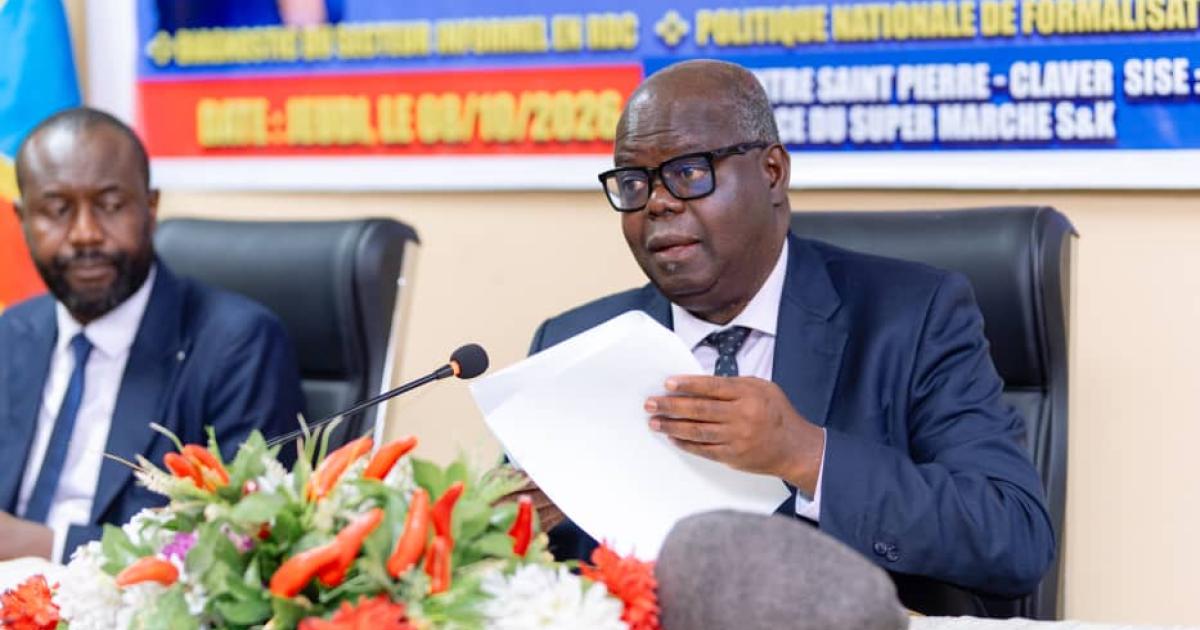
DRC Government: Informal Economy Formalization Enters New Phase
Summary
- The Democratic Republic of Congo's Ministry of National Economy has launched a new phase in its informal economy formalization process.
- This initiative, reported on October 13, 2026, aims to integrate unregistered economic activities into the formal sector.
- The DRC government informal economy formalization effort is expected to introduce new compliance requirements for businesses.
- Legal professionals should monitor regulatory developments from the Ministry of National Economy regarding this formalization.
- The formalisation économie informelle RDC seeks to enhance transparency and improve revenue collection.
What Happened
Legal professionals, particularly those advising on corporate and regulatory matters in the DRC, should closely monitor legislative and regulatory developments emanating from the DRC Ministry of National Economy.
The Ministry of National Economy in the Democratic Republic of Congo has initiated a significant new phase in its ongoing efforts to formalize the nation's informal economy. This development, reported on October 13, 2026, marks a pivotal moment in the government's strategy to integrate a substantial portion of its economic activity into the formal sector. The move underscores a continued commitment by the DRC government to address the complexities of its informal economy and enhance its overall structure.
This latest undertaking by the DRC Ministry of National Economy is part of a broader, multi-stage process aimed at bringing unregistered businesses and workers into the regulated framework. The formalisation économie informelle RDC initiative seeks to enhance transparency, improve revenue collection, and extend social protections to a wider segment of the population. Such an endeavor typically involves a range of policy instruments and administrative reforms designed to facilitate a smoother transition for economic actors.
Legal and Economic Context
The formalization of an informal economy is a complex undertaking often pursued by governments worldwide to unlock economic potential and foster sustainable development. Informal sectors, while providing livelihoods for many, frequently operate outside regulatory frameworks, leading to challenges in taxation, labor rights, and access to finance. For the Democratic Republic of Congo, a nation with a significant informal sector, this strategic push by the DRC government informal economy formalization program could have far-reaching implications for its economic structure and governance.
Efforts to formalize the Congo informal sector regulation typically involve creating incentives for businesses to register, simplifying administrative procedures, and establishing clear legal guidelines for operations. This process aims to transition economic activities from an unregulated environment to one governed by established laws and policies. The Ministry of National Economy's role is central to designing and implementing these frameworks, ensuring that the transition is both effective and equitable for the multitude of small enterprises and individual traders involved.
Why It Matters
This new phase in the DRC government informal economy formalization holds considerable significance for both existing formal businesses and those currently operating informally. For companies already compliant with regulations, the formalization of competitors could level the playing field, ensuring fairer competition and potentially expanding the consumer base with increased purchasing power. Conversely, businesses within the informal sector will face new requirements for Congo business compliance informal sector, necessitating adjustments to their operational models and legal structures.
Legal professionals, particularly those advising on corporate and regulatory matters in the DRC, should closely monitor legislative and regulatory developments emanating from the DRC Ministry of National Economy. These changes will undoubtedly introduce new compliance requirements and potential restructuring needs for businesses operating within or interacting with this segment of the economy. Understanding the evolving landscape of Congo informal sector regulation will be crucial for guiding clients through the transition and ensuring adherence to the new formalization policies. The success of this initiative could redefine the economic landscape of the DRC, making proactive legal counsel indispensable.
Practical Implications
Lawyers should closely monitor legislative and regulatory developments from the DRC's Ministry of National Economy regarding the formalization of the informal sector, as these changes will introduce new compliance requirements and potential restructuring needs for businesses operating within or interacting with this segment of the economy.
Source
How does this affect you?
Get an AI analysis of this article grounded in your jurisdictions, practice areas, and any policy documents you've uploaded to Wansom.
Finish Reading the Full Story and the Expert Analysis.
Get the latest legal & regulatory intelligence in DR Congo
Wansom is AI and can make mistakes.