
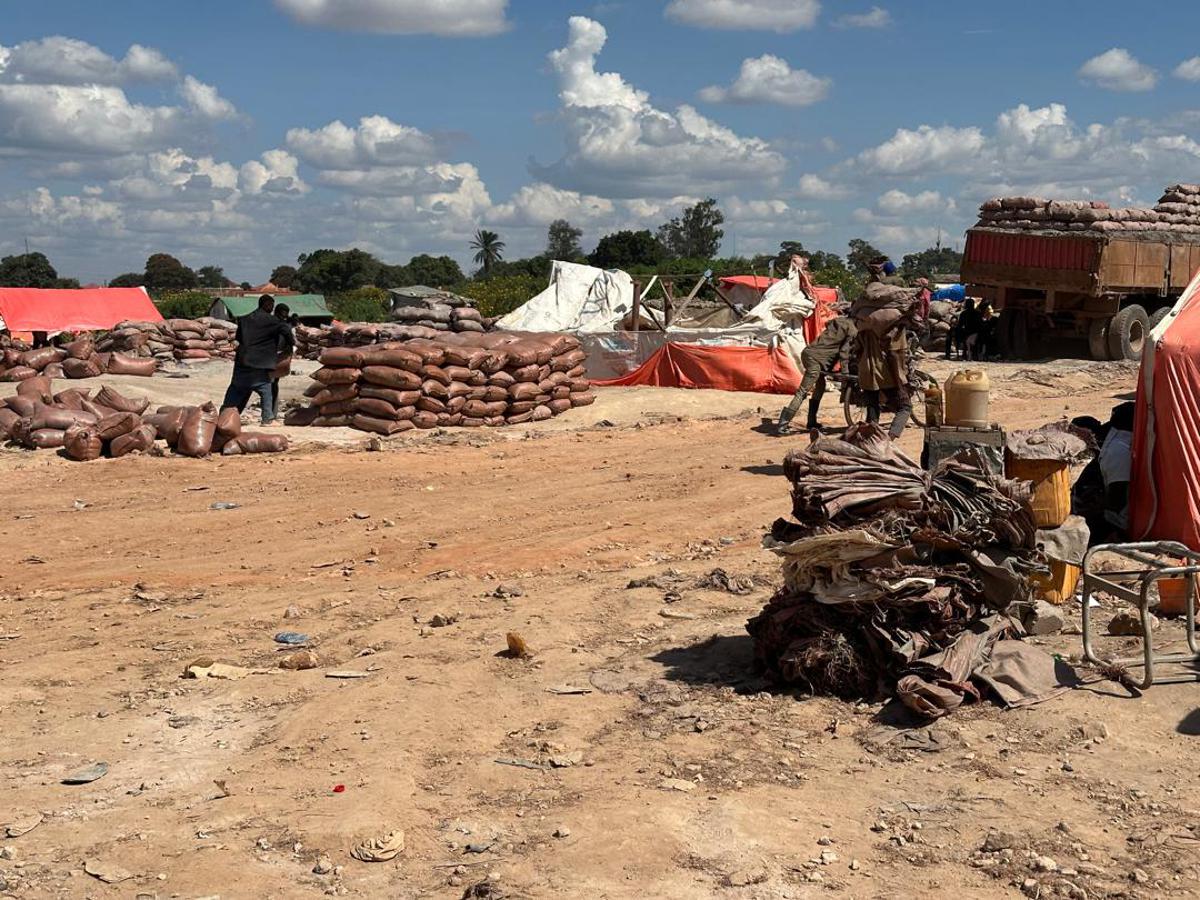
Justicia Asbl: RDC Militaires Remain on Mining Sites Despite Ban
Summary
- Justicia Asbl reported on November 2 that approximately 5,000 military and police personnel remain on mining sites in Haut-Katanga and Lualaba.
- This presence contradicts a presidential ban issued in July prohibiting security forces from mining locations.
- The NGO asserts that this situation promotes human rights violations within the mining sector.
- Justicia Asbl also claims that the continued military presence compromises the governance of the mining industry.
- The findings highlight significant compliance and ESG risks for mining companies and investors in the DRC.
Continued Military Presence on Mining Sites
The report from Justicia Asbl indicates that this crucial policy has not been effectively implemented, with the presence armée sites miniers remaining a reality.
Justicia Asbl, a prominent non-governmental organization, recently issued a report on Monday, November 2, highlighting the persistent presence of security forces at various mining locations within the Democratic Republic of Congo. According to the organization's findings, an estimated 5,000 military personnel and police officers continue to operate across multiple mining sites in the provinces of Haut-Katanga and Lualaba. This significant presence of armed forces on civilian industrial sites raises considerable concerns regarding adherence to national directives.
This ongoing deployment is particularly notable because it directly contravenes a presidential directive issued just months prior. In July, the President of the Republic announced a ban specifically prohibiting the presence of military and police forces on mining sites. The intention behind this interdiction présidentielle militaires mines was widely understood to be an effort to professionalize the sector and curb illicit activities, yet the latest report from Justicia Asbl indicates that this crucial policy has not been effectively implemented, with the presence armée sites miniers remaining a reality.
Threats to Human Rights and Governance
Justicia Asbl asserts that the continued presence of these security forces on mining sites actively fosters an environment conducive to violations des droits humains mines RDC. The organization argues that such a situation inherently creates opportunities for abuses, given the power dynamics and lack of clear oversight often associated with military involvement in civilian economic activities. This assessment underscores the vulnerability of local populations and workers in these mining areas.
Furthermore, the NGO emphasizes that this persistent military and police presence significantly compromises the overall gouvernance secteur minier Congo. Effective governance relies on transparency, accountability, and the rule of law, all of which are undermined when armed forces operate outside their designated roles in commercial zones. Justicia Asbl's report suggests that the failure to enforce the presidential ban could perpetuate systemic issues within the mining industry, hindering efforts towards ethical sourcing and sustainable development.
Implications for Investors and Companies
The findings from Justicia Asbl regarding militaires sites miniers RDC carry substantial implications for international mining companies and investors operating or considering operations in the Democratic Republic of Congo, particularly in Haut-Katanga and Lualaba. The continued non-compliance with the presidential ban on military presence creates significant compliance risks, especially concerning human rights due diligence and ethical supply chain management. Companies are increasingly scrutinized for their environmental, social, and governance (ESG) performance, and association with sites where human rights violations are facilitated can lead to severe reputational damage and legal challenges.
Legal counsel advising entities in this sector must therefore exercise enhanced scrutiny over operational practices and supply chain integrity. The report from Justicia Asbl Haut-Katanga Lualaba serves as a critical warning that despite official directives, the on-the-ground reality may present substantial ethical and legal exposures. Mitigating these risks requires robust monitoring, transparent reporting, and proactive engagement with local stakeholders and human rights organizations to ensure operations align with international standards and national laws, even when state enforcement is lacking.
Practical Implications
Lawyers advising mining companies or investors in the Democratic Republic of Congo, particularly in Haut-Katanga and Lualaba, should note the continued presence of military and police on mining sites despite a presidential ban. This raises significant compliance risks related to human rights, ethical sourcing, and ESG due diligence, requiring enhanced scrutiny of operational practices and supply chains to mitigate potential legal and reputational exposures.
Source
How does this affect you?
Get an AI analysis of this article grounded in your jurisdictions, practice areas, and any policy documents you've uploaded to Wansom.
Wansom is AI and can make mistakes.