
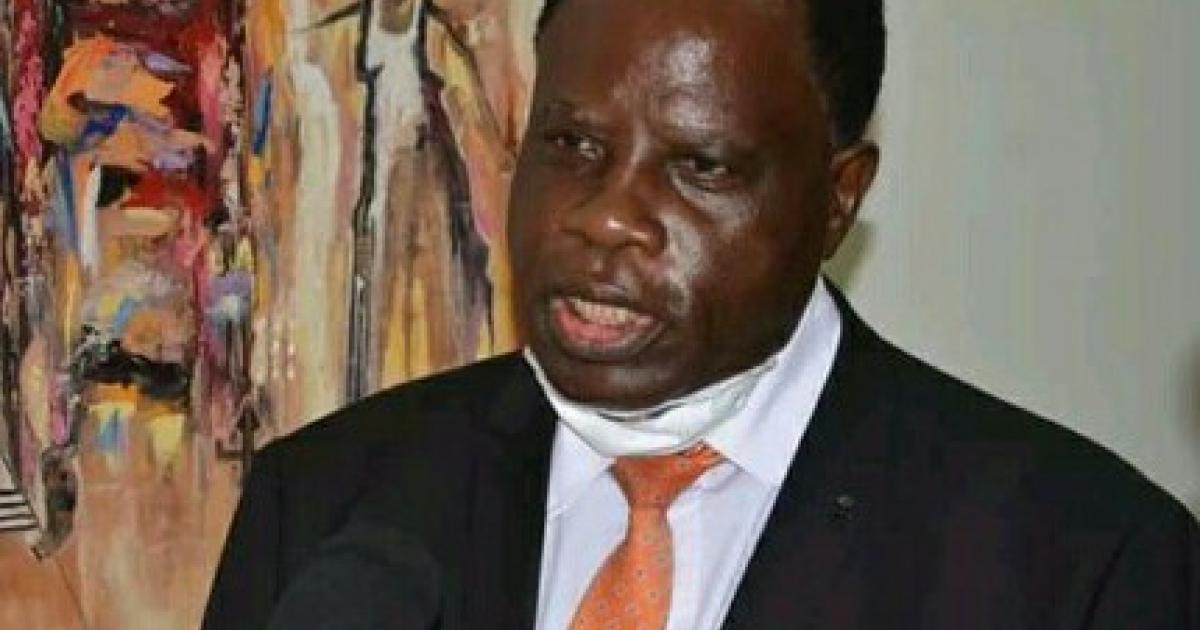
Jean-Marie Petit Petit: Disclaims Kenge Aerodrome Responsibility
Summary
- A recent crash in Kenge has sparked renewed debate over the condition of Kwango province's airport infrastructure.
- Former Kwango Governor Jean-Marie Peti Peti denies all responsibility for the disappearance of the Kenge aerodrome.
- Mr. Peti Peti attributes the aerodrome's demise to the actions or inactions of his predecessors.
- The incident highlights broader concerns about aviation infrastructure and accountability in the Democratic Republic of Congo.
- This situation could lead to legal inquiries into public official liability for infrastructure failures.
Recent Developments at Kenge
The public dispute over Jean-Marie Peti Peti Kenge aerodrome responsibility signals potential for future legal inquiries into accountability for infrastructure failures within the Democratic Republic of Congo.
A recent aviation incident in Kenge has brought the condition of the region's airport infrastructure into sharp focus. This crash, which occurred in the Kwango province, has reignited a critical public discussion regarding the operational status and maintenance of vital air facilities across the area. The incident specifically highlighted concerns surrounding the Kenge aerodrome, prompting questions about its current state and functionality.
In the wake of these renewed debates, Jean-Marie Peti Peti, who previously served as the governor of Kwango province, has publicly addressed the controversy. His statements come amidst increasing scrutiny over the accountability for the state of local aviation assets. The former governor has been quick to distance himself from any culpability concerning the aerodrome's current condition, asserting that the responsibility lies elsewhere.
Accountability and Blame Shifting
Former Governor Jean-Marie Peti Peti has unequivocally disclaimed any personal responsibility for the effective disappearance of the Kenge aerodrome. He asserts that the facility's current non-existence or non-operational status is not attributable to his tenure. This stance directly addresses the central issue of Jean-Marie Peti Peti Kenge aerodrome responsibility that has emerged following the recent crash.
Instead of accepting blame, Mr. Peti Peti has pointed fingers at his predecessors in the gubernatorial office. He contends that the decisions and actions, or inactions, of those who held the position before him are the true cause of the aerodrome's decline and eventual disappearance. This strategic deflection of Jean-Marie Peti Peti predecessors blame frames the issue as a legacy problem, inherited rather than created during his administration.
Broader Implications for Kwango Aviation Infrastructure
The controversy surrounding the Kenge aerodrome state extends beyond a single facility, drawing attention to the broader condition of Kwango aviation infrastructure. The recent crash has served as a stark reminder of the critical need for functional and safe air transport links in the province. The debate now encompasses the overall management and oversight of such crucial public assets, raising questions about long-term planning and investment.
This situation in Kwango also contributes to a wider national discourse on DRC aerodrome accountability. The incident and the subsequent public statements by former Governor Peti Peti highlight systemic challenges in maintaining essential infrastructure, particularly in remote or less developed regions. Ensuring the operational viability of aerodromes is vital for regional connectivity, emergency services, and economic development throughout the Democratic Republic of Congo.
Legal and Precedential Significance
The public dispute over Jean-Marie Peti Peti Kenge aerodrome responsibility signals potential for future legal inquiries into accountability for infrastructure failures within the Democratic Republic of Congo. Should investigations proceed, they could establish significant precedents regarding the liability of public officials, both current and former, for the condition and disappearance of public assets under their purview. This case could clarify the extent to which governors and their administrations are legally bound to maintain and oversee critical infrastructure.
Lawyers operating within the DRC and advising on public infrastructure projects should closely monitor any resulting investigations or legal proceedings. Such developments could offer crucial insights into evolving legal interpretations of liability and accountability for public officials. Understanding these precedents will be essential for advising clients on compliance, risk mitigation strategies, and contractual obligations related to public works and infrastructure development in the country.
Practical Implications
This development signals potential legal inquiries into accountability for infrastructure failures in the DRC, particularly concerning public officials and their predecessors. Lawyers should monitor any resulting investigations or legal proceedings for precedents on liability and advise clients involved in public infrastructure projects on compliance and risk mitigation strategies.
Source
Source: Original reporting via PMaki
How does this affect you?
Get an AI analysis of this article grounded in your jurisdictions, practice areas, and any policy documents you've uploaded to Wansom.
Finish Reading the Full Story and the Expert Analysis.
Get the latest legal & regulatory intelligence in DR Congo
Wansom is AI and can make mistakes.