
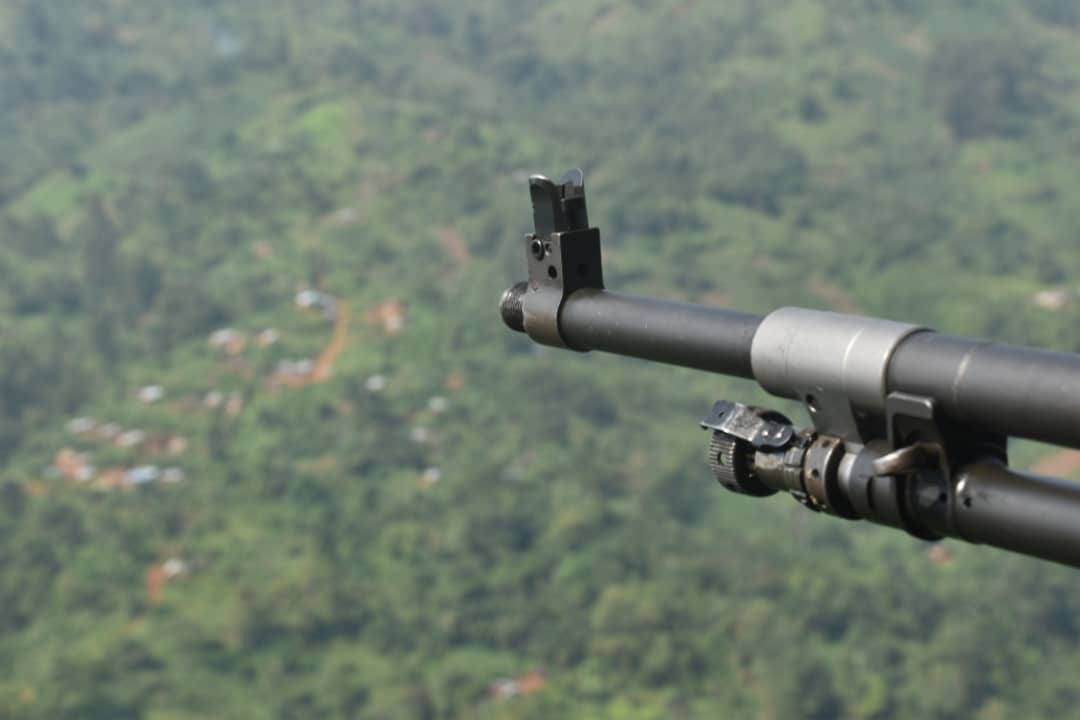
Ituri Mining Site Attack CRP FARDC: Military Operation Launched
Summary
- On Monday, September 21, 2026, the FARDC launched a military operation against the armed group Convention pour la révolution populaire (CRP) in Djugu territory, Ituri.
- This operation was a direct response to an attack on a mining site in Nyampala on Sunday, September 20, 2026.
- During the Nyampala mining site attack, several individuals, including Chinese nationals and four military personnel, were taken hostage.
- The incident underscores significant security risks for mining operations and foreign investors in the Democratic Republic of Congo's Ituri province.
- It highlights the critical need for enhanced due diligence and robust security protocols for companies operating in conflict-affected regions.
Recent Security Operations in Ituri
The Ituri mining site attack CRP FARDC highlights the severe dangers faced by both local populations and foreign interests operating in the resource-rich but conflict-ridden province.
The Armed Forces of the Democratic Republic of Congo (FARDC) initiated a significant military operation on Monday, September 21, 2026, targeting the armed group known as the Convention pour la révolution populaire (CRP). This offensive was launched within the Djugu territory of Ituri province, underscoring the ongoing efforts by national forces to stabilize the volatile eastern regions of the country. The **Djugu FARDC military operation** represents a direct response to escalating security threats posed by non-state armed actors.
This decisive action by the FARDC followed a violent incident that occurred just one day prior, on Sunday, September 20, 2026. A mining site located in Nyampala was subjected to an attack, which precipitated the military intervention. The **Ituri mining site attack CRP FARDC** highlights the severe dangers faced by both local populations and foreign interests operating in the resource-rich but conflict-ridden province.
During the assault on the Nyampala mining facility, numerous individuals were seized and held captive. Among those taken were several **Chinese nationals hostage RDC**, alongside four members of the military. The abduction of both civilian workers and security personnel underscores the brazen nature of the armed group's activities and the complex challenges involved in securing mining operations in the region.
Heightened Risks for Mining Operations
The recent events in Ituri province serve as a stark reminder of the persistent and severe **RDC mining security risks Ituri** presents to both domestic and international investors. The presence and activities of various armed groups, including the Convention pour la révolution populaire, create an unpredictable and dangerous operational environment. These groups frequently target economic assets, including mining sites, for illicit gain and to exert control over lucrative resources.
Operating within such a volatile landscape necessitates robust security protocols and comprehensive risk assessments for any entity involved in the extractive industries. The targeting of a mining site and the subsequent hostage-taking incident illustrate the direct threats to personnel and assets. Companies must contend with not only the physical dangers but also the broader implications for business continuity and reputational standing when operating in areas affected by conflict.
The incident also brings into focus the broader issue of **DRC armed groups compliance** with international humanitarian law and national regulations. The persistent challenge of maintaining order and ensuring the safety of civilians and economic activities in regions like Ituri requires sustained efforts from governmental forces and a clear understanding of the operational environment by all stakeholders. This complex interplay of security, governance, and resource extraction defines the operational reality for many in the eastern Democratic Republic of Congo.
Due Diligence and Investor Responsibility
For international companies and investors engaged in the Democratic Republic of Congo's mining sector, incidents such as the Nyampala attack underscore the critical importance of stringent due diligence. The global focus on ethical sourcing and responsible supply chains means that businesses must go beyond basic compliance to actively mitigate risks associated with conflict-affected and high-risk areas. This includes a thorough understanding of the local security dynamics and the potential for involvement, direct or indirect, with armed groups.
Adherence to frameworks for **Conflict minerals due diligence RDC** is not merely a regulatory requirement but a fundamental aspect of responsible investment. Companies are increasingly expected to demonstrate that their operations and supply chains do not contribute to conflict financing or human rights abuses. The presence of armed groups like the Convention pour la révolution populaire in mining areas necessitates enhanced scrutiny of sourcing practices, security arrangements, and community engagement strategies to ensure ethical conduct.
Legal counsel advising clients on investments or operations in the DRC's mining sector should emphasize the need for comprehensive risk management strategies that encompass security, human rights, and environmental considerations. This involves regular, in-depth assessments of the security landscape, implementing robust security protocols that respect human rights, and ensuring transparency in all dealings. Proactive measures are essential to navigate the complex legal and ethical challenges inherent in operating in regions like Ituri, safeguarding both personnel and corporate integrity.
Practical Implications
This incident highlights significant security and operational risks for mining companies and foreign investors in the DRC's Ituri province. Lawyers should advise clients on enhanced risk assessments, security protocols, and compliance with due diligence obligations related to conflict minerals and human rights in their supply chains.
Source
How does this affect you?
Get an AI analysis of this article grounded in your jurisdictions, practice areas, and any policy documents you've uploaded to Wansom.
Finish Reading the Full Story and the Expert Analysis.
Get the latest legal & regulatory intelligence in DR Congo
Wansom is AI and can make mistakes.