
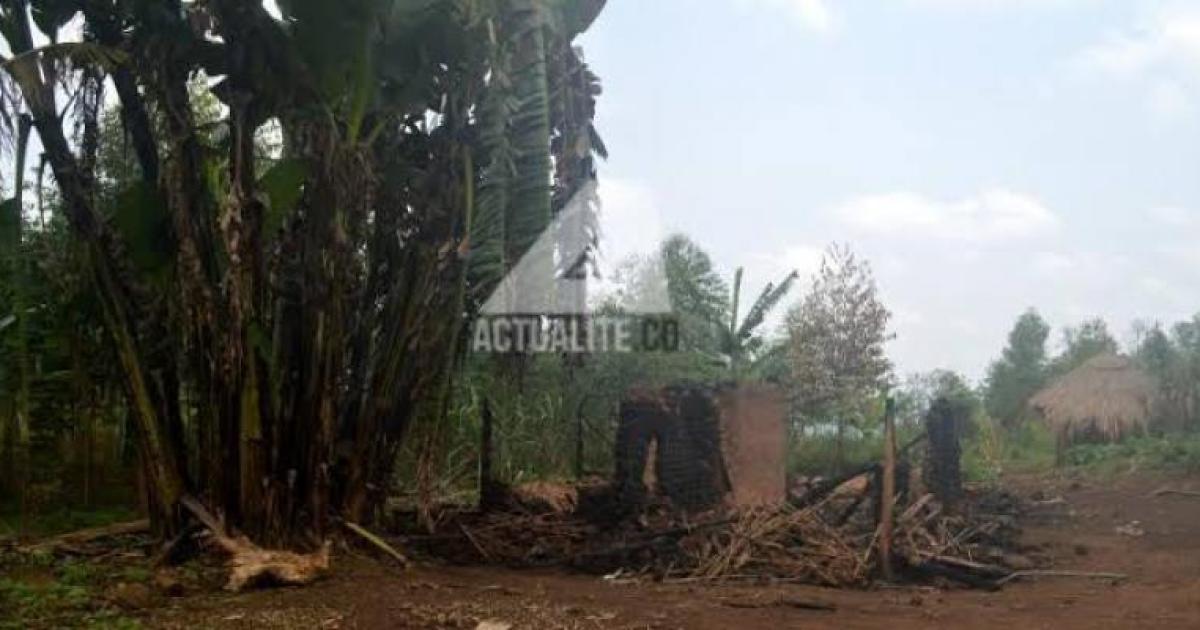
Ddesa Ituri Houses Burned Investigations: Civil Society Demands Action
Summary
- More than ten houses were burned in Ddesa village, Ituri, over a single week.
- The incidents occurred in the Buko groupement, part of the Bahema Nord chiefdom in Djugu territory.
- Local civil society organizations are demanding thorough investigations into these arsons.
- These events highlight ongoing security challenges and the critical need for accountability in the region.
- The widespread property destruction could lead to future criminal investigations.
Escalating Property Destruction in Ituri's Ddesa Village
This series of Ddesa Ituri houses burned incidents could foreseeably trigger future criminal investigations into property destruction, a development that legal professionals specializing in criminal law or human rights in the DRC should closely monitor.
The village of Ddesa, located within the Buko groupement of the Bahema Nord chiefdom in Ituri's Djugu territory, has recently been the scene of alarming property destruction. Over the course of just one week, more than ten residential structures were deliberately set ablaze, leaving a significant portion of the community's housing stock in ruins. These Ddesa Ituri houses burned incidents underscore a severe deterioration of security conditions in this already volatile region, impacting numerous families and their livelihoods.
The rapid succession of these Ddesa village arsons Ituri has generated considerable alarm among local residents and humanitarian observers alike. The sheer number of homes affected within such a condensed timeframe points to a coordinated effort of destruction, rather than isolated incidents. This pattern of widespread damage necessitates immediate attention from both local and national authorities to prevent further loss and to address the root causes of such destructive acts. The community now faces the daunting task of rebuilding amidst ongoing insecurity.
Civil Society Demands Comprehensive Investigations into Arson Attacks
In direct response to the extensive property damage, local civil society organizations have issued urgent and unequivocal demands for comprehensive investigations into the circumstances surrounding the fires. The Société civile Ituri enquêtes are viewed as absolutely critical for identifying the individuals or groups responsible for these acts of arson and for ensuring that they are held accountable under the law. This strong emphasis on accountability reflects the community's profound desire for an end to the cycle of violence and impunity that has often characterized the region.
These calls for thorough probes are not isolated; they resonate within a broader context of persistent security incidents plaguing the Bahema Nord chiefdom and the wider Djugu territory. The repeated occurrence of such destructive events, including these Djugu territory house fires, highlights a systemic challenge to peace and stability. A robust and transparent response from governmental authorities is therefore imperative to protect civilian populations, safeguard their property, and restore a sense of security to these vulnerable communities.
Legal and Security Implications of the Ddesa Incidents
The systematic burning of over ten homes in Ddesa within a single week carries profound and far-reaching implications for both local security dynamics and the broader pursuit of justice within the Democratic Republic of Congo. Such deliberate and widespread destruction of property often serves as a stark indicator of deeper underlying conflicts, targeted aggression, or attempts to displace populations, making the civil society's call for investigations particularly urgent and relevant. Establishing the precise perpetrators and their motivations is an indispensable step towards restoring stability, rebuilding trust, and preventing future recurrences of violence in the region.
This series of Ddesa Ituri houses burned incidents could foreseeably trigger future criminal investigations into property destruction, a development that legal professionals specializing in criminal law or human rights in the DRC should closely monitor. The initiation and diligent prosecution of such cases would send a powerful message that acts of arson and property destruction will not be tolerated. The ultimate outcome of these potential inquiries will not only determine the fate of those found responsible but will also establish a crucial precedent for how grave security incidents are addressed in Ituri, thereby underscoring the vital role of law enforcement and the judiciary in upholding the rule of law and protecting fundamental human rights.
Practical Implications
This report signals potential future criminal investigations into property destruction in Ddesa, Ituri, which lawyers specializing in criminal law or human rights in the DRC should monitor for developments.
Source
How does this affect you?
Get an AI analysis of this article grounded in your jurisdictions, practice areas, and any policy documents you've uploaded to Wansom.
Wansom is AI and can make mistakes.