
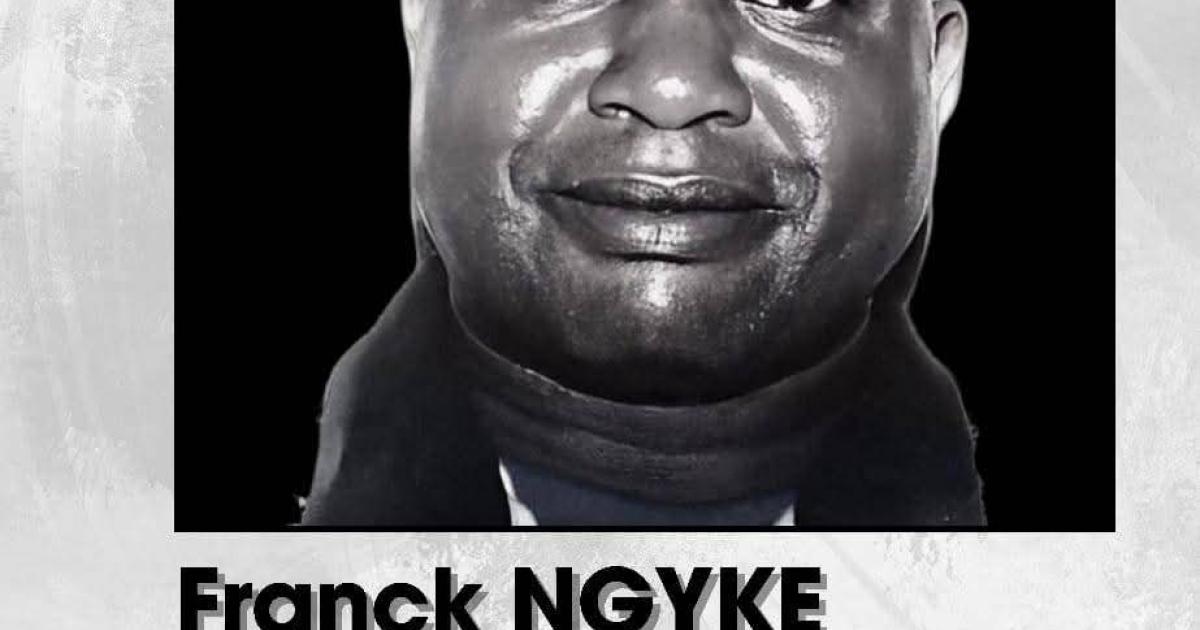
RDC Groups Demand: Réouverture Enquête Franck Ngyke Assassination
Summary
- Civil society groups are demanding the reopening of the investigation into the 21-year-old assassination of journalist Franck Ngyke Kangundu and his wife, Hélène Mpaka.
- The Congolese Association of Women Journalists of the Written Press (ACOFEPE) and the La Référence Plus press group made this call on November 2, 2026.
- This advocacy highlights the potential for public pressure to revive long-dormant criminal investigations, even decades after the initial incident.
- The renewed scrutiny of this historical case could influence legal strategies for similar unresolved matters concerning violence against journalists in the Democratic Republic of Congo.
Renewed Push for Justice
This development signals a potential for renewed scrutiny of historical cases of violence against journalists in the DRC, which could impact legal strategies for similar unresolved matters.
A significant call has recently emerged from prominent civil society organizations in the Democratic Republic of Congo, urging authorities to reopen the investigation into the assassination of journalist Franck Ngyke Kangundu and his wife, Hélène Mpaka. This demand, voiced by the Congolese Association of Women Journalists of the Written Press (ACOFEPE) and the influential La Référence Plus press group, comes more than two decades after the tragic incident. The persistent advocacy highlights an enduring quest for accountability in a case that has remained unresolved for twenty-one years.
The joint appeal, made on November 2, 2026, underscores the long-standing commitment of these groups to ensuring justice for victims of violence, particularly those within the media profession. The Franck Ngyke Kangundu assassinat, alongside the murder of Hélène Mpaka, represents a stark reminder of the dangers faced by journalists in the region. The sustained pressure from ACOFEPE La Référence Plus demonstrates that even after many years, the pursuit of truth and justice remains a priority for civil society.
Legal and Societal Implications
The demand for the réouverture enquête Franck Ngyke assassinat carries substantial legal and societal weight within the DRC. In many jurisdictions, including the Democratic Republic of Congo, criminal investigations can languish for years, often becoming "cold cases" due to various factors. However, the consistent and organized pressure from civil society organizations has proven to be a powerful catalyst for revisiting such dormant files. This development signals a potential for renewed scrutiny of historical cases of violence against journalists in the DRC, which could impact legal strategies for similar unresolved matters.
The call for the réouverture dossier Ngyke Congo serves as a critical example of how public advocacy can compel judicial systems to re-engage with cases that might otherwise remain closed. Lawyers and legal practitioners should note that such sustained public interest can lead to the allocation of new resources and political will necessary to advance investigations, even decades after the initial incident. This dynamic underscores the vital role of non-governmental organizations in upholding the rule of law and demanding accountability where state mechanisms may have faltered.
Fighting Impunity for Journalists
The renewed focus on the Franck Ngyke Kangundu assassinat and the Hélène Mpaka meurtre RDC is a crucial step in the broader fight against impunity for crimes committed against journalists. When such violent acts go unpunished, it creates a chilling effect on press freedom, discouraging investigative reporting and critical commentary. The efforts by ACOFEPE and La Référence Plus to reignite this particular investigation are therefore not just about one case, but about setting a precedent for justice journalistes RDC.
A successful réouverture enquête Franck Ngyke assassinat could send a powerful message that time does not diminish the imperative for justice, and that those who commit violence against media professionals will eventually be held accountable. This could encourage other families and organizations to push for the re-examination of other long-unresolved cases, thereby strengthening the legal framework for protecting journalists and fostering a more transparent and accountable society in the Democratic Republic of Congo. The persistent pursuit of justice, even after 21 years, underscores the enduring commitment to press freedom and human rights.
Practical Implications
Lawyers should note that public pressure from civil society organizations can lead to the reopening of long-dormant criminal investigations, even decades after the initial incident. This development signals a potential for renewed scrutiny of historical cases of violence against journalists in the DRC, which could impact legal strategies for similar unresolved matters.
Source
How does this affect you?
Get an AI analysis of this article grounded in your jurisdictions, practice areas, and any policy documents you've uploaded to Wansom.
Wansom is AI and can make mistakes.