
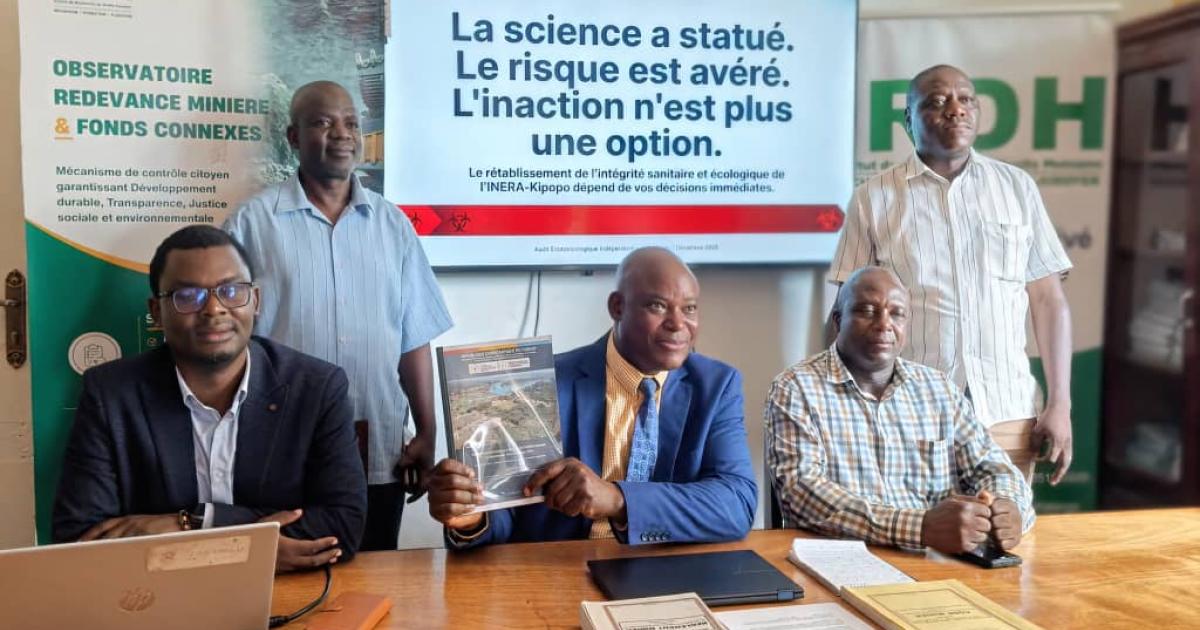
IRDH Congo: Escalates SOMIKA Pollution Audit, Demands Reparation
Summary
- The Institut de recherche en droits humains (IRDH) has initiated institutional steps against Société minière du Katanga (SOMIKA).
- This action addresses presumed pollution attributed to SOMIKA's operations.
- The IRDH is demanding the determination of reparation measures following an ecotoxicological audit.
- These developments were announced on Friday, November 27, 2026.
Institutional Action Against SOMIKA
The human rights body's persistent engagement highlights the critical role civil society plays in holding powerful entities accountable for their environmental stewardship in resource-rich regions.
The Institut de recherche en droits humains (IRDH) has formally escalated its efforts concerning alleged environmental damage attributed to the Société minière du Katanga (SOMIKA). On Friday, November 27, 2026, the human rights organization announced its transition to institutional steps in the ongoing matter of presumed pollution. This development marks a significant procedural advancement in the pursuit of accountability for the mining company's operations, signaling a more structured and official approach to the allegations.
The move by the IRDH follows a comprehensive ecotoxicological audit, which presumably provided the scientific basis for their claims. The organization is now specifically calling for the determination of reparation measures, indicating a clear focus on rectifying the environmental harm and compensating affected parties. This demand underscores the IRDH's commitment to ensuring that mining activities in the Democratic Republic of Congo adhere to environmental standards and that any adverse impacts are adequately addressed, emphasizing the importance of corporate responsibility in the extractive sector.
The initiation of institutional steps by the IRDH in the SOMIKA pollution audit IRDH Congo case suggests that previous informal engagements or investigations have progressed to a stage requiring formal intervention. This strategic shift aims to leverage established legal and administrative frameworks to compel SOMIKA to address the environmental concerns raised. The human rights body's persistent engagement highlights the critical role civil society plays in holding powerful entities accountable for their environmental stewardship in resource-rich regions.
The Role of the Ecotoxicological Audit
The foundation of the IRDH's current institutional push is an ecotoxicological audit, which has been conducted to assess the environmental impact of SOMIKA's activities. While the specifics of the audit's findings are not detailed in the current announcement, its completion signals a scientific investigation into the nature and extent of the alleged pollution. Such audits are critical tools for identifying contaminants, evaluating their effects on ecosystems and human health, and providing evidence for legal and reparative actions.
The involvement of an ecotoxicological audit in the SOMIKA pollution audit IRDH Congo case highlights a growing trend towards evidence-based environmental advocacy. This scientific assessment is a prerequisite for understanding the scope of the problem and formulating appropriate responses, including the reparation measures now being sought by the Institut de recherche en droits humains. The audit's findings will likely play a central role in any future negotiations or legal proceedings related to the presumed pollution minière RDC.
Demands for Environmental Reparation
The primary objective of the Institut de recherche en droits humains in this phase is to secure the determination of reparation measures from the Société minière du Katanga. This demand for réparation environnementale Congo signifies a call for concrete actions to mitigate the environmental damage and provide restitution to any communities or ecosystems affected by the presumed pollution. Reparations can encompass a range of actions, from environmental cleanup and restoration to financial compensation for losses incurred due to ecological degradation.
This push for reparations underscores the increasing scrutiny faced by mining companies in the Democratic Republic of Congo regarding their environmental footprint. The IRDH's actions serve as a reminder that organizations like SOMIKA are expected not only to comply with environmental regulations but also to take responsibility for any adverse impacts that may arise from their operations. The outcome of these institutional steps could set a precedent for how environmental liabilities are addressed in the country's vital mining sector.
Practical Implications
This development signals increased scrutiny on environmental compliance for mining companies in the DRC, particularly regarding potential pollution and demands for reparations. Lawyers advising mining clients should emphasize proactive environmental impact assessments and robust compliance programs to mitigate legal and reputational risks, especially given the involvement of human rights organizations like IRDH.
Source
How does this affect you?
Get an AI analysis of this article grounded in your jurisdictions, practice areas, and any policy documents you've uploaded to Wansom.
Finish Reading the Full Story and the Expert Analysis.
Get the latest legal & regulatory intelligence in DR Congo
Wansom is AI and can make mistakes.