
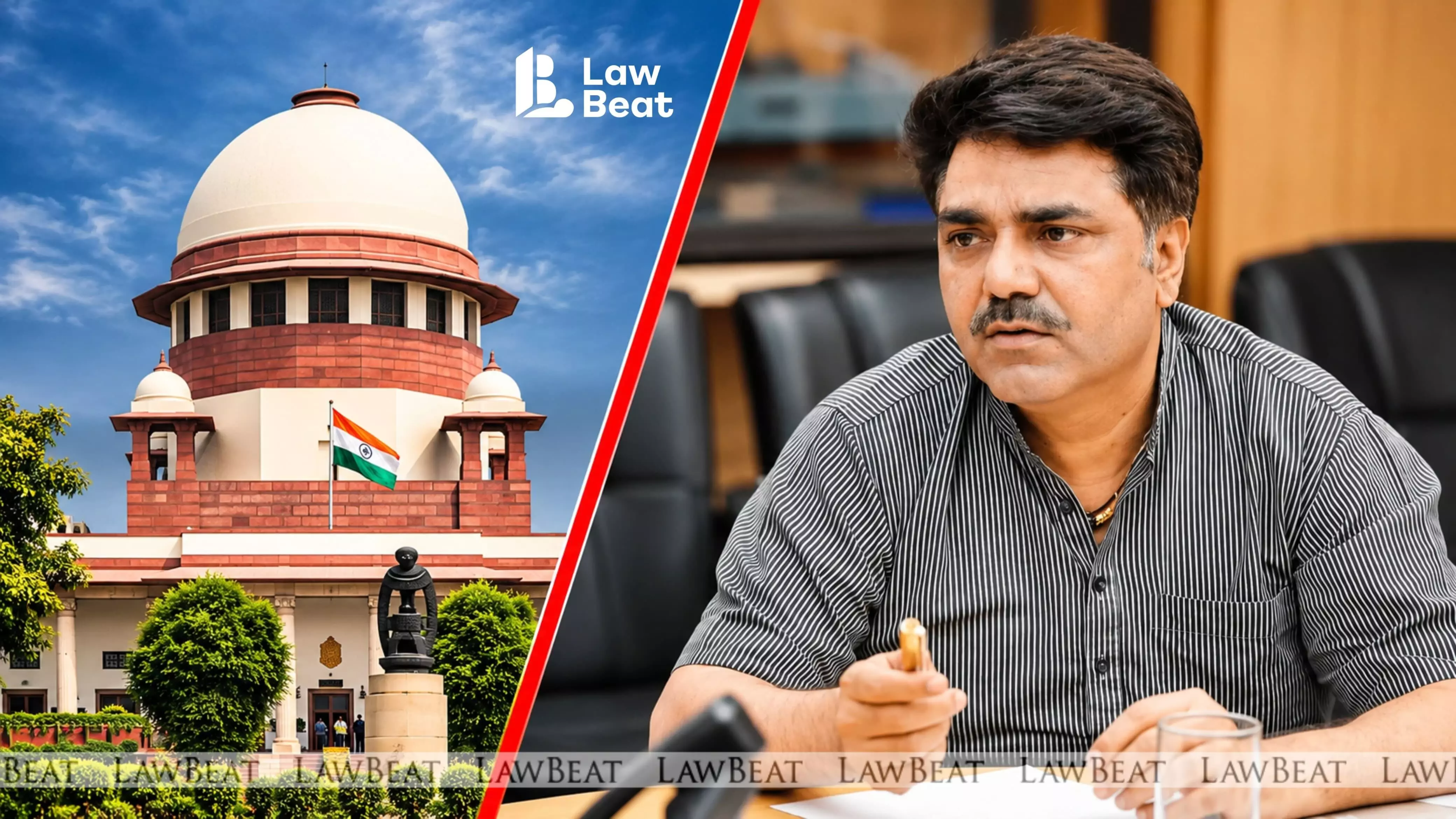
India Supreme Court: Grants Bail to Naresh Balyan in MCOCA Case
On Friday, the Supreme Court of India granted bail to former AAP MLA Naresh Balyan, who had been in custody since December 2024 in a case under the stringent Maharashtra Control of Organised Crime Act, 1999 (MCOCA), after his counsel successfully argued that two key witnesses had retracted their statements.
This ruling is highly significant for practitioners dealing with MCOCA cases and other special legislation that imposes stringent conditions for bail. It demonstrates the Supreme Court's willingness to critically evaluate the evidentiary basis for continued detention, even in cases involving serious allegations of organised crime. The Court's decision to grant bail, overturning the Delhi High Court's earlier refusal, provides a crucial precedent for arguing that a weakening of the prosecution's case, such as through witness retractions, can be a sufficient ground for securing liberty. The condition imposed—that bail would be cancelled if Balyan failed to cooperate with the trial—underscores the Court's balancing act between individual liberty and the need to ensure the integrity of the judicial process.
The legal context for this decision is rooted in the MCOCA, a special law designed to combat organised crime, which is known for its stringent provisions, including a higher threshold for bail compared to the general criminal law under the Code of Criminal Procedure. Under MCOCA, courts must be satisfied that there are reasonable grounds for believing that the accused is not guilty and is not likely to commit any offence while on bail. The Supreme Court bench, comprising Justice Vikram Nath and Justice Aparesh Singh, evidently found that the retraction of key witness statements undermined the prosecution's prima facie case to an extent that warranted granting bail. The argument that Balyan was not named as an accused initially and had even filed a complaint against the alleged gangster further strengthened his position.
The key parties involved in this matter are the Supreme Court of India (Justices Vikram Nath and Aparesh Singh); the former AAP MLA Naresh Balyan, who is the accused; Senior Advocate Vikas Singh, who represented Balyan; and Additional Solicitor General (ASG) Raja Thakare, who appeared for the State. The Delhi High Court had previously refused bail, leading to Balyan's appeal to the Supreme Court. The case also involves allegations related to gangster Kapil Sangwan's syndicate.
Practitioner takeaway: Attorneys representing clients in MCOCA or similar special legislation cases should meticulously review the strength and reliability of the prosecution's evidence, particularly witness testimonies. The retraction or unreliability of key witness statements can be a crucial factor in securing bail, even in cases involving stringent anti-organised crime laws. Furthermore, practitioners must advise clients on the strict conditions attached to such bail, emphasizing the absolute necessity of cooperating with the trial to avoid revocation. The Court's pointed question to the prosecution, "Why are you going after an elected member of the…," also suggests a judicial inclination to scrutinize the basis for prosecuting elected officials, which could be a relevant consideration in similar cases.
How does this affect you?
Get an AI analysis of this article grounded in your jurisdictions, practice areas, and any policy documents you've uploaded to Wansom.
Finish Reading the Full Story and the Expert Analysis.
Get the latest legal & regulatory intelligence in India
Wansom is AI and can make mistakes.