
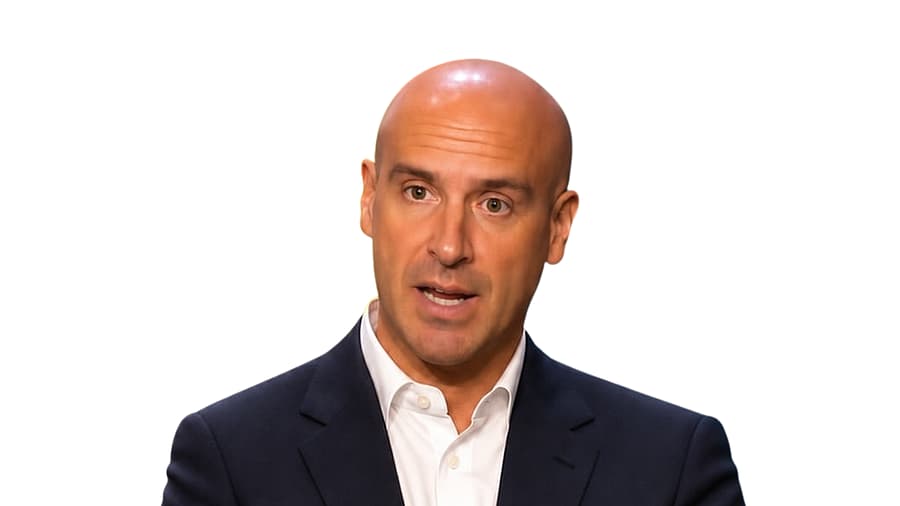
Supreme Court Dismisses Filibeck 'Vote Chor' Plea Over Social Media Videos
Summary
- The Supreme Court dismissed a plea seeking the takedown of social media videos featuring Italian politician Giacomo Filibeck's "Vote Chor, Gaddi Chhod" remark.
- The plea also requested an investigation into the conduct of the Bharat Summit 2026 event in Hyderabad where the comments were made.
- Justices Vikram Nath and Aparesh Kumar Singh questioned why the petitioner directly filed an Article 32 petition instead of a formal complaint.
- The petitioner's counsel stated they were not seeking criminal or punitive action, but rather measures to prevent such comments and remove the viral videos.
- Giacomo Filibeck, Secretary General of the Party of European Socialists, was accused of interfering in India's domestic politics with his remarks criticizing the Indian government.
Supreme Court Dismisses Plea on Foreign Politician's Remarks
This ruling clarifies the Supreme Court's preference for petitioners to exhaust lower court remedies or file formal complaints before directly invoking Article 32 for matters concerning political speech by foreign nationals, particularly when not seeking punitive action.
India's Supreme Court recently dismissed a petition that sought the removal of social media videos featuring Italian politician Giacomo Filibeck and an investigation into the event where the remarks were made. The plea specifically targeted Filibeck's utterance of "Vote Chor, Gaddi Chhod" during the Bharat Summit 2026 in Hyderabad, a phrase that translates to 'vote thief, leave your seat'. This slogan is commonly employed by opposition parties in India to criticize Prime Minister Narendra Modi, alleging irregularities in the nation's electoral processes.
The petition also requested a broader inquiry into the organization and conduct of the Bharat Summit itself. The Court's decision, delivered on a Friday, effectively denied the petitioner's direct appeal to intervene in the matter of the foreign politician's speech and the associated event.
The Contested Statement and Its Context
Giacomo Filibeck, who serves as the Secretary General for the Party of European Socialists, an opposition party, was the central figure in the controversy. The petitioner's counsel, Syed Rizwan Ahmed, had previously argued that Filibeck's comments constituted an unwarranted interference in India's domestic political landscape, particularly given their critical nature towards the Indian government.
During the hearing, the counsel further elaborated on Filibeck's status, emphasizing that he was not merely a commentator but a representative of a recognized political entity from Italy. The court was informed that Filibeck not only chanted the slogan but also provided an English interpretation for the benefit of international attendees. The counsel also referenced that Rahul Gandhi had explicitly communicated an intolerance for such actions.
Judicial Scrutiny of Procedural Approach
A bench comprising Justices Vikram Nath and Aparesh Kumar Singh critically questioned the petitioner's decision to directly approach the Supreme Court. The justices inquired why a formal complaint had not been filed through conventional channels, asking, "You could have filed a complaint. Why Article 32 petition?" This line of questioning underscored the Court's preference for petitioners to exhaust lower court remedies before seeking direct intervention under Article 32 of the Constitution.
The petitioner's counsel clarified that the objective was not to pursue criminal charges or punitive measures against Filibeck. Instead, the plea aimed to establish mechanisms to prevent foreign politicians from making similar comments at future events and to ensure the takedown of the viral videos. The counsel indicated that the viral videos were symbolic and that platforms like Meta should remove them, highlighting a desire for preventative and corrective action rather than punishment.
Implications for Direct Supreme Court Intervention
The Supreme Court's dismissal of the plea concerning Giacomo Filibeck's "Vote Chor" remark carries significant implications for how grievances related to political speech, especially by foreign nationals, are to be addressed within India's legal framework. This ruling clarifies the Supreme Court's preference for petitioners to exhaust lower court remedies or file formal complaints before directly invoking Article 32 for matters concerning political speech by foreign nationals, particularly when not seeking punitive action.
This decision reinforces the principle that direct access to the apex court under Article 32 is reserved for cases where fundamental rights are directly and immediately infringed, and where other legal avenues are insufficient or unavailable. The Court's stance suggests a high bar for direct Supreme Court intervention in such matters, guiding future petitioners to utilize established procedural channels for their grievances.
Practical Implications
This ruling clarifies the Supreme Court's preference for petitioners to exhaust lower court remedies or file formal complaints before directly invoking Article 32 for matters concerning political speech by foreign nationals, particularly when not seeking punitive action. Lawyers should advise clients on proper procedural channels for such grievances and the high bar for direct Supreme Court intervention.
Source
How does this affect you?
Get an AI analysis of this article grounded in your jurisdictions, practice areas, and any policy documents you've uploaded to Wansom.
Finish Reading the Full Story and the Expert Analysis.
Get the latest legal & regulatory intelligence in India
Wansom is AI and can make mistakes.