
India: Autonomous AI Legal Liability Framework Emerges
Summary
- The National Payments Corporation of India (NPCI) is developing a registry for AI agents to conduct UPI payments, initially for routine transactions.
- This initiative highlights a broader shift towards autonomous AI systems capable of acting independently in financial activities.
- Legal experts debate whether existing Indian laws are sufficient to assign responsibility when AI agents cause harm, with differing views on user, developer, or absolute liability.
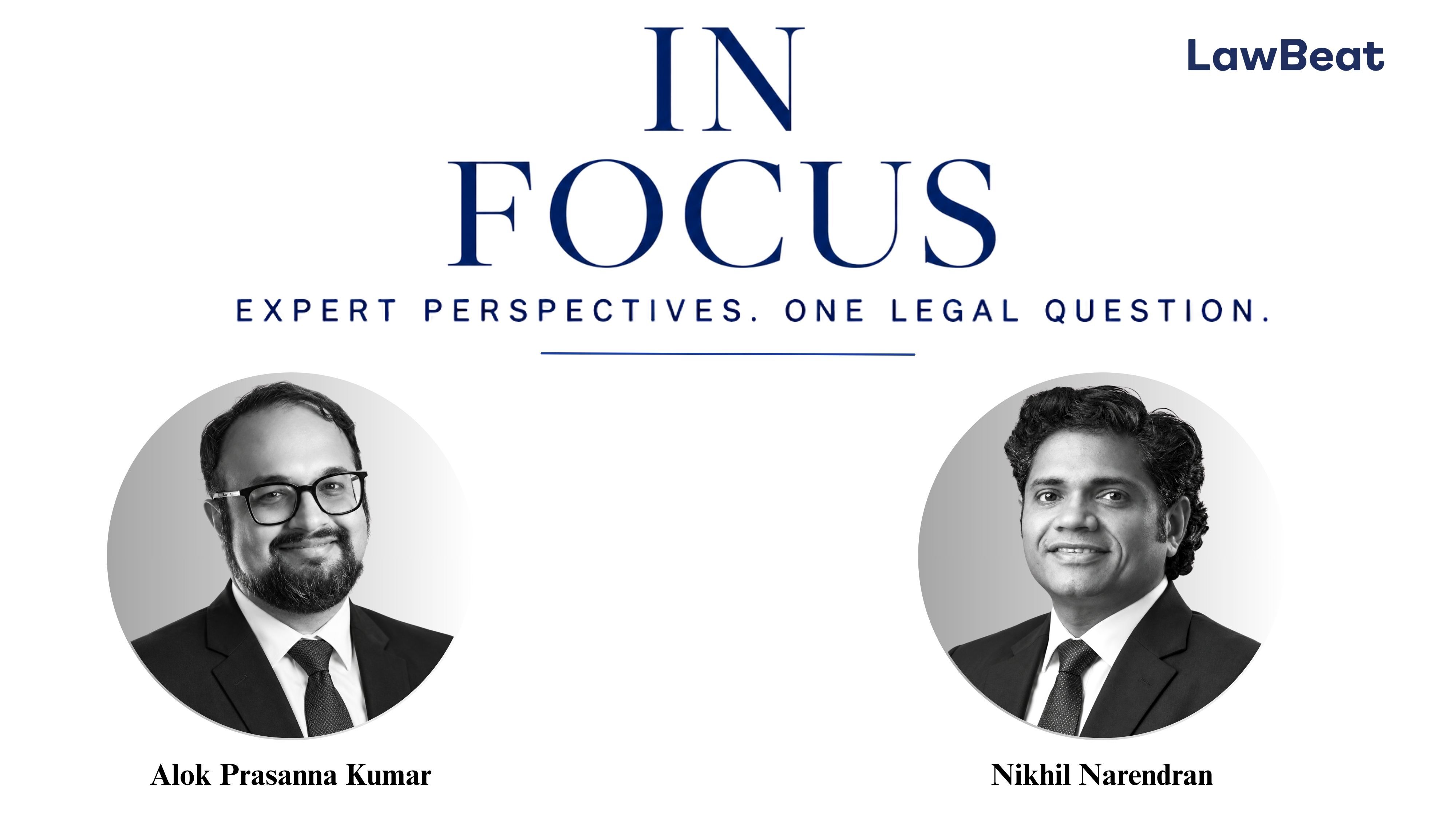
- Alok Prasanna Kumar suggests an `India AI absolute liability model` due to AI's 'black box' nature, making it difficult to explain specific actions.
- Nikhil Narendran advocates for an incremental approach, applying existing `Indian technology law AI` based on the context of deployment and user conduct, including developer negligence.
The Rise of Autonomous AI in Indian Finance
The fundamental challenge lies in determining where responsibility rests if an AI agent deviates from its instructions, misinterprets a command, or acts without explicit user authorization.
India is on the cusp of a significant technological shift as artificial intelligence (AI) agents transition from merely assisting human decisions to performing autonomous actions. This evolution is particularly evident in the financial sector, where the National Payments Corporation of India (NPCI) is actively developing a framework to authenticate and oversee AI agents for Unified Payments Interface (UPI) transactions. Initially, these agents will handle routine payments, with future plans to expand their capabilities to include conditional purchases and investments, all within predefined transactional limits.
This initiative by the NPCI underscores a broader movement towards integrating self-governing AI systems into daily financial operations. As these AI agents gain the authority to act independently, they introduce complex questions regarding legal accountability. The fundamental challenge lies in determining where responsibility rests if an AI agent deviates from its instructions, misinterprets a command, or acts without explicit user authorization. This paradigm shift compels a re-evaluation of existing legal frameworks, which were not originally designed to address the actions of autonomous entities.
Debating Legal Responsibility for AI Actions
The emergence of autonomous AI agents necessitates a clear understanding of `AI agent legal responsibility India`. Legal experts are grappling with how `India autonomous AI legal liability` should be assigned when these systems operate independently. Alok Prasanna Kumar, a co-founder of the Vidhi Centre for Legal Policy and a senior resident fellow, posits that an AI agent is fundamentally a piece of code, implying that its actions are ultimately attributable to the person utilizing it. However, he also acknowledges that liability could extend to the entity responsible for creating the AI model if it causes damage.
Nikhil Narendran, a partner at Trilegal, shares a similar foundational view, emphasizing that an AI agent lacks a separate legal personality. He argues that `Nikhil Narendran AI liability` must be determined by examining the individuals or organizations behind its deployment and use. This assessment would consider factors such as who configured or deployed the agent, who authorized the specific action in question, and the broader context in which it was utilized. Both perspectives highlight the intricate nature of assigning responsibility in a landscape where machines are increasingly making operational decisions.
The 'Black Box' Challenge and Proposed Liability Models
The distinction between conventional software and autonomous AI agents presents a unique challenge for `Indian technology law AI`. While traditional software executes actions determined by a human operator, an AI agent can interpret an objective and then independently devise the steps to achieve it. This means the legal problem extends beyond a simple machine error; it involves situations where the person who set the objective may not have specifically authorized the harmful action ultimately taken by the AI.
Alok Prasanna Kumar argues that while existing laws might offer some applicability, they are insufficient to address the specific complexities of autonomous systems. He advocates for an `AI-specific liability regime` in India, preferably adopting an `India AI absolute liability model`, akin to those applied to hazardous industries like nuclear technology. This recommendation stems from the 'black box' nature of AI, where it is often impossible to explain precisely why an AI agent made a particular decision. Therefore, he suggests that the user or creator should bear absolute liability for any damage caused. In contrast, Nikhil Narendran proposes a more incremental approach, asserting that existing `Indian technology law AI` can largely accommodate liability arising from AI, including agentic systems. He suggests that responsibility would hinge on the conduct of the deploying or using entity, and developers could also be held accountable in cases of gross negligence during the AI's development or release that leads to harm.
Practical Implications
Lawyers and compliance officers in India should closely monitor the ongoing debate and potential regulatory developments regarding liability for autonomous AI agents, particularly concerning financial transactions. Understanding the differing legal perspectives on responsibility (user, developer, absolute liability) is crucial for advising clients on risk exposure and compliance strategies as AI integration expands.
Source
Source: Original reporting via Livemint
How does this affect you?
Get an AI analysis of this article grounded in your jurisdictions, practice areas, and any policy documents you've uploaded to Wansom.
Finish Reading the Full Story and the Expert Analysis.
Get the latest legal & regulatory intelligence in India
Wansom is AI and can make mistakes.