
IMF: Ghana GoldBod Programme Controls Urged to Stem BoG Losses
Summary
- The International Monetary Fund (IMF) has called for stronger governance and transparency in Ghana’s Domestic Gold Purchase Programme (DGPP).
- The DGPP contributed to significant losses for the Bank of Ghana (BoG), impacting its balance sheet and reducing its equity to approximately 7% by the end of 2025.
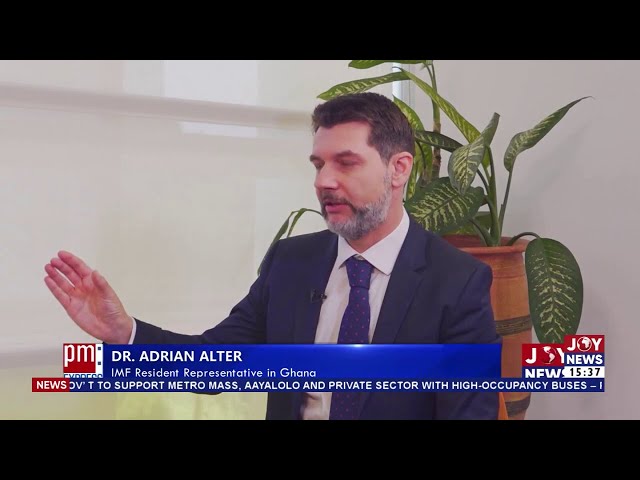
- IMF Resident Representative Dr. Adrian Alter warned that the BoG's involvement in quasi-fiscal activities could weaken its financial position and undermine price stability.
- Dr. Alter stressed the importance of preserving the BoG's independence and avoiding fiscal dominance, advocating for government financing through markets rather than the central bank.
- Gold purchasing and selling functions previously handled by the BoG have been transferred to the Ghana Gold Board (GoldBod), separating these activities from the central bank's core mandate.
IMF Calls for Stronger Oversight
The lessons from Ghana's gold purchase scheme highlight an urgent need for robust governance, clear transparency, meticulous reporting, and careful management of program-related costs.
The International Monetary Fund (IMF) has recently urged for more stringent controls over Ghana’s Domestic Gold Purchase Programme (DGPP), citing significant financial pressures it has placed on the Bank of Ghana’s (BoG) balance sheet. Dr. Adrian Alter, the IMF Resident Representative in Ghana, highlighted that the scheme has resulted in substantial losses for the central bank, contributing to a marked deterioration in its financial health. This intervention follows an IMF assessment which revealed that the DGPP was linked to losses amounting to approximately GH¢22 billion, equivalent to about US$1.7 billion, during 2025 alone.
Dr. Alter, speaking on Monday, August 24, to Channel One TV, detailed how these losses have impacted the BoG. He noted that by the close of 2025, the central bank's equity had fallen to roughly 7%. This decline was attributed to several factors, including the Domestic Debt Exchange Programme (DDEP) and the financial strain imposed by the DGPP. The IMF’s call for improved governance and transparency within the **IMF Ghana GoldBod programme controls** framework underscores growing concerns about its broader economic implications.
Programme Evolution and Economic Context
While acknowledging the critical role of gold in Ghana's recent economic resurgence, Dr. Alter cautioned against overlooking the inherent costs and risks associated with such programs. He recognized that robust gold export earnings have been instrumental in bolstering the cedi, enhancing foreign exchange inflows, and facilitating the replenishment of the nation's international reserves. However, the benefits derived from gold-related activities must be weighed against the financial burdens they can create.
The gold purchasing and selling operations, which were initially conducted through the Bank of Ghana, have since been transferred to the Ghana Gold Board, known as GoldBod. This strategic move aims to separate these commercial activities from the central bank’s primary mandate, addressing some of the concerns about the **Bank of Ghana balance sheet GoldBod** impact. Despite this separation, the underlying issues of financial exposure and operational oversight remain a focus for international observers.
Governance and Central Bank Independence
A key area of concern for the IMF, as articulated by **IMF Adrian Alter Ghana**, revolves around the Bank of Ghana's involvement in what are termed quasi-fiscal activities. Dr. Alter warned that such operations have the potential to weaken the central bank's financial standing and could consequently impair its capacity to uphold price stability. A central bank with a compromised financial position would struggle to absorb the costs associated with its essential monetary and exchange-rate stabilization functions.
Furthermore, the IMF representative underscored the paramount importance of safeguarding the independence of the Bank of Ghana and preventing fiscal dominance. He argued emphatically that the central bank should not be utilized as a funding source for government entities. Instead, the government should rely on established financial markets and commercial banks for its funding requirements, thereby preserving **Ghana central bank independence fiscal dominance**. The lessons from Ghana's gold purchase scheme highlight an urgent need for robust governance, clear transparency, meticulous reporting, and careful management of program-related costs.
Why It Matters
The experience with the Domestic Gold Purchase Programme (DGPP) serves as a stark reminder of the necessity for rigorous scrutiny in the design and implementation of state-backed commodity schemes. Dr. Alter emphasized that careful attention must be paid to governance, transparency, reporting mechanisms, and the actual costs incurred by such programs. The significant **Ghana Domestic Gold Purchase Programme losses** reported in 2025 underscore the financial risks involved when these controls are not adequately in place.
The ongoing discussions surrounding the **GoldBod programme governance transparency** are crucial for ensuring the long-term financial health of Ghana's central bank and maintaining investor confidence. The IMF's recommendations suggest a path towards strengthening oversight and accountability, which could inform future policy decisions regarding resource-backed financing and the role of central banks in economic development initiatives. This situation highlights the delicate balance between leveraging natural resources for economic gain and preserving the integrity and independence of national financial institutions.
Practical Implications
Lawyers advising clients involved in commodity trading, resource-backed financing, or financial institutions interacting with the Bank of Ghana should monitor potential regulatory reforms or increased scrutiny regarding transparency and governance in state-backed commodity purchase programs like GoldBod. Compliance officers should review their frameworks for engaging with such schemes to mitigate financial and reputational risks, especially concerning quasi-fiscal activities and central bank independence.
Source
How does this affect you?
Get an AI analysis of this article grounded in your jurisdictions, practice areas, and any policy documents you've uploaded to Wansom.
Wansom is AI and can make mistakes.