
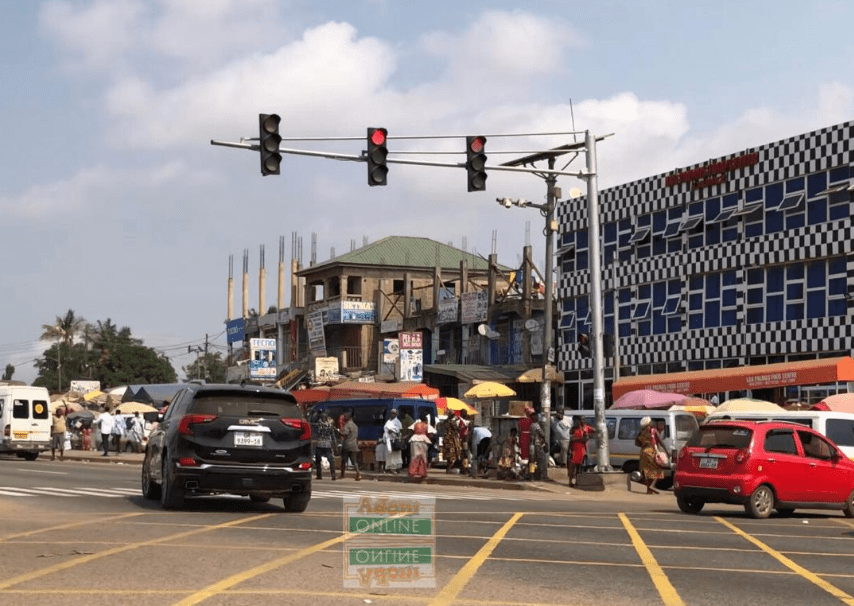
Ghana Interior Ministry: TraffiTech-GH Road Traffic Enforcement Live
Summary
- Ghana's Interior Ministry has launched TraffiTech-GH, an automated system to track and penalize road traffic offenders, announced by Minister Muntaka Mohammed-Mubarak on August 24.
- The system uses various surveillance cameras and monitoring devices to detect over 47 traffic offenses, with evidence verified in a 24-hour control room operated by the Ghana Police Service.
- Offenders receive electronic notices detailing the offense, penalty, and payment instructions, including visual evidence.
- Ghana electronic traffic fines must be paid electronically via Ghana.gov within 14 days, with failure to pay leading to tracing by security agencies and potential arrest.
- TraffiTech-GH aims to strengthen enforcement, deter irresponsible driving, reduce road crashes, and minimize direct interactions between motorists and police.
New Automated Enforcement System
Motorists who do not pay their fines within the stipulated period will be actively traced by security agencies, and they face the possibility of arrest.
Ghana's Interior Ministry has rolled out a sophisticated technology-driven initiative, TraffiTech-GH, designed to identify, track, and penalize motorists who disregard road traffic regulations. This significant step in Ghana TraffiTech-GH road traffic enforcement was publicly announced by Interior Minister Muntaka Mohammed-Mubarak during his appearance at the Government Accountability Series on Monday, August 24.
The core objective of this Ghana automated traffic enforcement system is to bolster the enforcement of existing road traffic laws, actively deter irresponsible driving behaviors, and ultimately contribute to a substantial reduction in road crashes and associated fatalities across the nation. The Minister highlighted that the system is equipped to address a wide array of infractions, encompassing more than 47 distinct traffic offenses.
This comprehensive approach signifies a strategic shift towards leveraging advanced technology to enhance road safety. The Interior Ministry Ghana TraffiTech program aims to create a more disciplined driving environment, moving away from traditional enforcement methods towards a more automated and data-driven model for managing traffic violations.
How TraffiTech-GH Operates
The operational backbone of TraffiTech-GH relies on an extensive network of surveillance cameras and various monitoring devices strategically positioned on major roadways. These tools include fixed cameras, mobile cameras, vehicle-mounted cameras, hand-held devices, and radar systems. Additionally, the system incorporates fixed intersection cameras, mobile vehicle-mounted cameras, handheld and tripod devices, alongside other digital monitoring tools to capture traffic offenses.
Upon the detection of a violation, the collected evidence is immediately transmitted to a central control room. Here, the data undergoes a thorough verification process before an electronic notice is generated and dispatched to the offending motorist. The Ghana Police Service developed this system, which features a 24-hour control room dedicated to reviewing evidence and issuing these digital notifications.
Offenders receive these electronic notices, often via text message, which contain comprehensive details of the infraction. This includes the specific offense committed, the applicable TraffiTech-GH penalties, clear instructions on how to remit the fine, the exact location and date of the offense, and crucial visual evidence of the violation itself. This streamlined process aims to ensure clarity and accountability in the enforcement of traffic laws.
Penalties and Compliance Mandates
The TraffiTech-GH system mandates that all Ghana electronic traffic fines must be paid electronically within a strict 14-day window. Payments are processed through the Ghana.gov platform, emphasizing a digital-first approach to compliance. This new framework for Ghana TraffiTech-GH road traffic enforcement introduces critical considerations for legal professionals advising clients on traffic offenses, particularly concerning the strict 14-day payment window and the severe risk of arrest for non-compliance.
Failure to adhere to this payment deadline carries significant consequences. Motorists who do not pay their fines within the stipulated period will be actively traced by security agencies, and they face the possibility of arrest. This stern warning underscores the government's commitment to ensuring compliance with the new automated system and its associated penalties.
Similarly, compliance officers managing vehicle fleets must promptly update internal policies to account for this Ghana automated traffic enforcement system, ensuring timely processing of TraffiTech-GH penalties to avoid escalated sanctions. The shift to automated evidence collection and electronic fine payment necessitates a proactive approach from both individuals and corporate entities to navigate the new enforcement landscape effectively.
Broader Goals for Road Safety
Beyond mere enforcement, a key strategic objective of TraffiTech-GH is to fundamentally alter the dynamics of traffic law application. The system is specifically designed to minimize direct interactions between motorists and police officers during enforcement activities. This reduction in face-to-face encounters is expected to significantly limit roadside disputes and diminish opportunities for the manual handling of traffic fines, thereby enhancing transparency and efficiency.
By covering over 47 traffic offenses, the Ghana Police Service traffic monitoring initiative aims to improve overall compliance with road safety regulations on a broad scale. The overarching goal is to foster a culture of responsible driving, which is anticipated to lead to a marked decrease in road crashes and fatalities across Ghana.
The introduction of this system represents a forward-thinking approach to public safety, leveraging technology to create a more accountable and safer road environment for all users. It underscores a commitment to modernizing law enforcement practices and achieving tangible improvements in national road safety statistics.
Practical Implications
Lawyers must understand the new automated evidence collection and electronic fine payment process under TraffiTech-GH to advise clients facing traffic offenses, especially regarding the 14-day payment window and the risk of arrest for non-compliance. Compliance officers in companies with vehicle fleets should update internal policies to account for automated detection and digital notifications, ensuring timely payment of fines to avoid escalated penalties.
Source
How does this affect you?
Get an AI analysis of this article grounded in your jurisdictions, practice areas, and any policy documents you've uploaded to Wansom.
Wansom is AI and can make mistakes.