
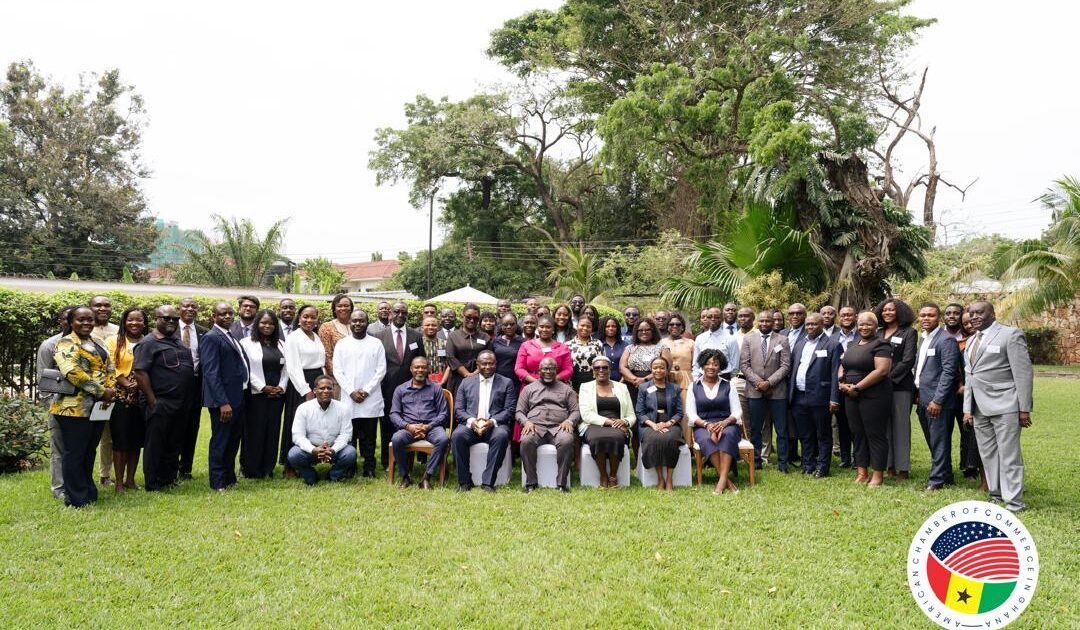
AmCham Ghana: Leads GRA U.S.-Ghana Tax Dialogue for Transparency
Summary
- The American Chamber of Commerce, Ghana (AmCham Ghana), in partnership with the U.S. Embassy, hosted a U.S.-Ghana Commercial Dialogue.
- The event featured Ghana Revenue Authority (GRA) Commissioner-General Anthony Kwasi Sarpong.
- Discussions focused on improving tax transparency and compliance.
- A key objective was to strengthen business confidence for companies operating in Ghana.
- The dialogue signals potential shifts in Ghana's tax policy and enforcement for businesses.
A New Dialogue on U.S.-Ghana Tax Relations
Legal and compliance officers should therefore closely monitor any subsequent policy statements or regulatory changes that may emerge from these high-level discussions.
The American Chamber of Commerce, Ghana (AmCham Ghana), recently spearheaded a significant U.S.-Ghana Commercial Dialogue, bringing together key stakeholders to address critical aspects of the bilateral economic relationship. This pivotal event, organized in collaboration with the U.S. Embassy Economic and Commercial Section, served as a platform for direct engagement between the private sector and Ghana's principal tax authority. The dialogue underscored a concerted effort to foster a more predictable and transparent operating environment for businesses, particularly those with American ties operating within Ghana.
Central to the discussions was the participation of Anthony Kwasi Sarpong, the Commissioner-General of the Ghana Revenue Authority (GRA). His presence at the AmCham Ghana GRA U.S.-Ghana tax dialogue signaled the Ghanaian government's commitment to engaging with international business communities on matters of fiscal policy and regulatory enforcement. The event aimed to facilitate a candid exchange of views on how current tax frameworks impact investment decisions and overall business sentiment, laying the groundwork for potential future policy adjustments.
Focusing on Transparency and Compliance
The core agenda of the U.S.-Ghana Commercial Dialogue revolved around three interconnected themes: enhancing tax transparency, bolstering compliance mechanisms, and implementing measures designed to strengthen overall business confidence. These topics are particularly pertinent for foreign investors and multinational corporations navigating Ghana's evolving regulatory landscape. The discussions initiated by AmCham Ghana sought to identify areas where clarity could be improved, thereby reducing ambiguities that often deter investment or complicate operational planning.
A significant focus was placed on Ghana Revenue Authority tax transparency, with participants exploring how greater openness in tax administration processes could benefit both the government and the business community. This included examining methods to streamline reporting, clarify interpretative guidelines, and ensure equitable application of tax laws. Furthermore, the dialogue addressed AmCham Ghana tax compliance concerns, aiming to foster a collaborative approach where businesses can more easily meet their obligations, thereby contributing positively to Ghana's revenue generation while operating within a predictable legal framework. The engagement with Commissioner-General Anthony Kwasi Sarpong provided an invaluable opportunity for direct feedback and discussion on these vital issues.
Implications for Business and Legal Compliance
The outcomes and ongoing discussions stemming from this AmCham Ghana GRA U.S.-Ghana tax dialogue carry significant implications for businesses operating in Ghana, especially those with U.S. affiliations. The emphasis on tax transparency and compliance suggests a potential for increased scrutiny and a drive towards more rigorous enforcement by the Ghana Revenue Authority. Legal and compliance officers should therefore closely monitor any subsequent policy statements or regulatory changes that may emerge from these high-level discussions. The dialogue serves as an indicator that Ghanaian authorities, in collaboration with international business representatives, are actively seeking ways to refine the tax environment.
Strengthening U.S.-Ghana business confidence was a primary objective, implying that both sides recognize the importance of a stable and predictable tax regime for attracting and retaining foreign direct investment. Any shifts in Ghana's tax policy or new compliance requirements arising from this dialogue could directly impact operational costs, financial planning, and risk assessments for companies. The proactive engagement of Commissioner-General Anthony Kwasi Sarpong in addressing these concerns highlights a willingness to adapt and improve, which could ultimately lead to a more favorable investment climate. However, it also signals a period where businesses must remain vigilant and prepared for potential adjustments in their tax strategies and reporting practices to ensure full adherence to evolving standards.
Practical Implications
Lawyers and compliance officers should monitor the outcomes of this U.S.-Ghana commercial dialogue for potential shifts in Ghana's tax policy, increased enforcement focus on transparency, or new compliance requirements that could impact businesses operating in Ghana, especially those with U.S. ties.
Source
How does this affect you?
Get an AI analysis of this article grounded in your jurisdictions, practice areas, and any policy documents you've uploaded to Wansom.
Wansom is AI and can make mistakes.