
Joseph Ojok: Imehejek Revenge Killing of Elia Moses
Summary
- Elia Moses, 34, was killed in a revenge attack in Imehejek, Eastern Equatoria State.
- Joseph Ojok killed Moses after Moses accidentally shot Ojok's 9-year-old babysitter, Ihatar Karlo.
- Moses had intended to shoot his brother-in-law but wounded the girl instead.
- Ojok is currently at large, and authorities are working to apprehend him.
- Local officials and the Lopit community leadership condemned the violence, urging adherence to legal processes over revenge.
What Happened
This extrajudicial killing underscores a persistent challenge in the region, where customary practices of self-help justice often clash with formal legal processes.
In a tragic incident unfolding in Eastern Equatoria State's Imehejek Administrative Area, 34-year-old Elia Moses was fatally shot in a revenge attack. The events began on a recent Sunday evening in Lacharok village, within Lomayobo Boma, when Moses accidentally wounded a 9-year-old girl, Ihatar Karlo. This unfortunate shooting occurred during a confrontation where Moses had intended to fire upon his brother-in-law, but the bullet instead struck the young girl, who served as a babysitter for the children of a man named Joseph Ojok.
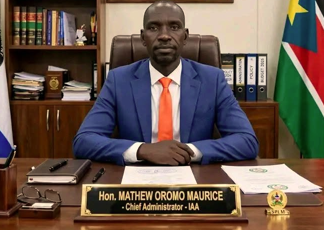
Upon learning that his babysitter had been injured, Joseph Ojok took matters into his own hands. He pursued Elia Moses to his home and subsequently killed him. This act of retaliation has left Ojok unapprehended and currently at large, though there is an expectation he might eventually surrender to authorities. The Chief Administrator of Imehejek, Matthew Oromo, provided details of the incident to Radio Tamazuj, highlighting the sequence of events that led to the fatal revenge killing of Elia Moses.
Official Response and Context
The Imehejek Chief Administrator, Matthew Oromo, voiced significant concern regarding the incident, particularly as it transpired shortly after local authorities had engaged community members in peace dialogues specifically aimed at preventing such acts of violence. This extrajudicial killing underscores a persistent challenge in the region, where customary practices of self-help justice often clash with formal legal processes.
Lieutenant Colonel Pio Oromo Thomas, who serves as the SSPDF Operations Commander in the Imehejek Administrative Area, corroborated the details of the event. He stated that security forces are actively working to ensure that Joseph Ojok, the perpetrator of the revenge attack, is brought to justice. Colonel Thomas expressed his dismay, noting that he had previously urged residents to cease "reckless killings" and cooperate with the government, following agreements made during community dialogues where residents were encouraged to report problems for amicable resolution rather than resorting to violence. He reiterated the importance of residents collaborating with government authorities and reporting criminal incidents, thereby upholding the rule of law in Eastern Equatoria State.
Community Reaction and Legal Imperatives
The violent incident also prompted strong condemnation from the leadership of the Lopit community in Torit, reflecting broader societal concerns about South Sudan customary law violence. Ustaz Ambrose Oyet Albino, who chairs the Lopit Community in Torit, unequivocally denounced the killing of Elia Moses. He issued an urgent appeal to residents to refrain from engaging in revenge attacks and instead to permit the established legal system to address grievances.
Albino specifically urged the relatives of the injured girl, Ihatar Karlo, not to retaliate against the suspect, but rather to collaborate with authorities to ensure that justice is served through official channels. He firmly stated that individuals should not take the law into their own hands, emphasizing the necessity for the suspect to be arrested and presented before the authorities so that due process can unfold. The community leader also acknowledged the efforts of local authorities and security personnel in managing the situation, advocating for the peaceful resolution of disputes through both legal and customary mechanisms, thereby reinforcing the call for an end to the cycle of violence in Lacharok village.
Practical Implications
Lawyers advising clients or involved in legal matters within South Sudan's Eastern Equatoria State should note the persistent challenge of extrajudicial killings and revenge attacks, despite community peace dialogues. This incident underscores the ongoing struggle to uphold the rule of law against customary practices of self-help justice, highlighting significant risks for clients regarding security and the enforcement of formal legal processes in such regions.
Source
How does this affect you?
Get an AI analysis of this article grounded in your jurisdictions, practice areas, and any policy documents you've uploaded to Wansom.
Wansom is AI and can make mistakes.