
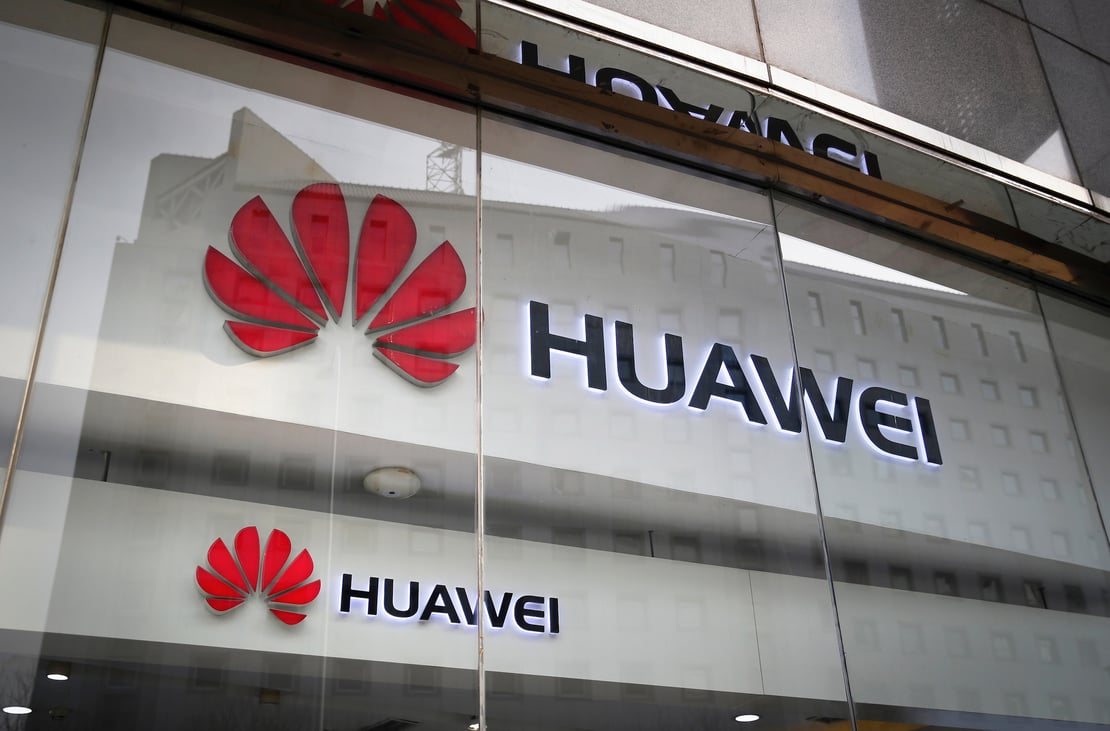
Huawei Criminal Trial Brooklyn: Prosecutors Detail Racketeering, IP Theft
Summary
- Huawei faces a criminal trial in Brooklyn for alleged racketeering, intellectual property theft, and Iran sanctions violations.
- Prosecutors claim Huawei's top brass encouraged employees to steal proprietary information for two decades.
- The company is accused of misleading banks about its business in Iran, including its subsidiary Skycom.
- Huawei CFO Meng Wanzhou signed a deferred prosecution agreement admitting to misleading HSBC executives about Iran dealings.
- The defense argues the government cherry-picked isolated incidents and that banks were aware of Huawei's Iran operations.
Allegations of Systemic Misconduct
Meng admitted in the DPA to misleading HSBC executives about the company's dealings in Iran.
Chinese telecommunications giant Huawei faces a criminal trial in Brooklyn, where prosecutors contend the company engaged in a two-decade-long racketeering scheme. The U.S. government alleges that Huawei's senior leadership actively encouraged employees to acquire proprietary information from competitors, a strategy purportedly aimed at establishing the company as a global leader in the telecommunications sector. Assistant U.S. Attorney Meredith Arfa, during her five-hour closing argument, characterized Huawei's growth as being built on "theft, lies and cover-ups," suggesting a corporate culture that implicitly condoned illicit activities for the company's benefit.
Prosecutors further assert that this directive originated from the highest levels of the organization. They claim that Huawei founder Ren Zhengfei dismissed concerns regarding intellectual property theft and that company officials incentivized employees with bonuses for obtaining confidential data from rival businesses. Evidence presented during the trial reportedly highlighted incidents involving several prominent U.S. companies, including T-Mobile, Cisco Systems, and Quintel, underscoring the breadth of the alleged intellectual property infringements.
Sanctions Evasion and Deception
Beyond intellectual property theft, Huawei and three of its subsidiaries are also charged with racketeering conspiracy related to alleged violations of U.S. sanctions against Iran. Prosecutors contend that Huawei deliberately obscured the true nature of its operations in Iran from financial institutions like HSBC. This alleged deception involved misrepresenting its subsidiary, Skycom, as merely a "business partner" and falsely claiming to have only "limited operations" within the country.
The government maintains that, contrary to these assertions, Huawei was deeply involved in establishing networks utilized by the Iranian government for surveillance purposes, specifically citing their use during the 2009 demonstrations in Tehran. A central piece of evidence for this charge is the 2021 deferred prosecution agreement (DPA) signed by Huawei's Chief Financial Officer, Meng Wanzhou, who is also the daughter of founder Ren Zhengfei and known as Kathy Meng. Following her 2018 arrest in Vancouver, which significantly strained international relations, Meng admitted in the DPA to misleading HSBC executives about the company's dealings in Iran. Arfa emphasized this point, stating that Meng's admission constituted "indisputable evidence of a conspiracy to defraud Huawei’s banks, carried out by one of Huawei’s most senior executives."
The Defense's Counterarguments
Defense attorney Brian Heberlig presented a contrasting narrative in his closing arguments, asserting that the government's case relied on "cherry-picked isolated incidents" involving low-level employees. Heberlig contended that these individuals were subsequently fired for their misconduct, and Huawei responded by implementing new policies designed to clearly stipulate that employees engaging in theft would face disciplinary action. The defense argued that the prosecution approached the case with a preconceived notion of a criminal enterprise, attempting to fit all evidence into that framework rather than allowing the evidence to guide their conclusions.
Regarding the Iran sanctions allegations, Heberlig argued that the banks, including HSBC, were fully aware of Huawei's activities in Iran and the relationship with Skycom. He suggested that these dealings were not a concern for the financial institutions because they constituted only a minor portion of their overall business. Furthermore, Heberlig challenged the interpretation of Meng Wanzhou's deferred prosecution agreement, emphasizing that it stated Meng learned her previous statements to HSBC were misrepresentations during the government's investigation, not that she possessed that knowledge at the time of the statements. Heberlig maintained that the DPA "is no shortcut to a guilty verdict," arguing it merely "characteriz[es] facts without establishing Ms. Meng’s criminal intent."
The Path to Deliberation
After more than two months of intense proceedings, the criminal trial against Huawei in Brooklyn is nearing its conclusion. Jurors are now poised to begin deliberations, weighing the extensive evidence and arguments presented by both the prosecution and the defense. The verdict in this high-profile case, involving allegations of widespread intellectual property theft and violations of U.S. sanctions, carries significant implications for the global telecommunications industry and international corporate compliance standards.
Practical Implications
Compliance officers should review internal controls for intellectual property protection and sanctions compliance, particularly regarding international operations and subsidiary oversight, to mitigate corporate criminal liability. This case highlights the importance of clear corporate policies, robust internal investigations, and demonstrable disciplinary actions to defend against allegations of systemic misconduct.
Source
How does this affect you?
Get an AI analysis of this article grounded in your jurisdictions, practice areas, and any policy documents you've uploaded to Wansom.
Finish Reading the Full Story and the Expert Analysis.
Get the latest legal & regulatory intelligence in United States
Wansom is AI and can make mistakes.