
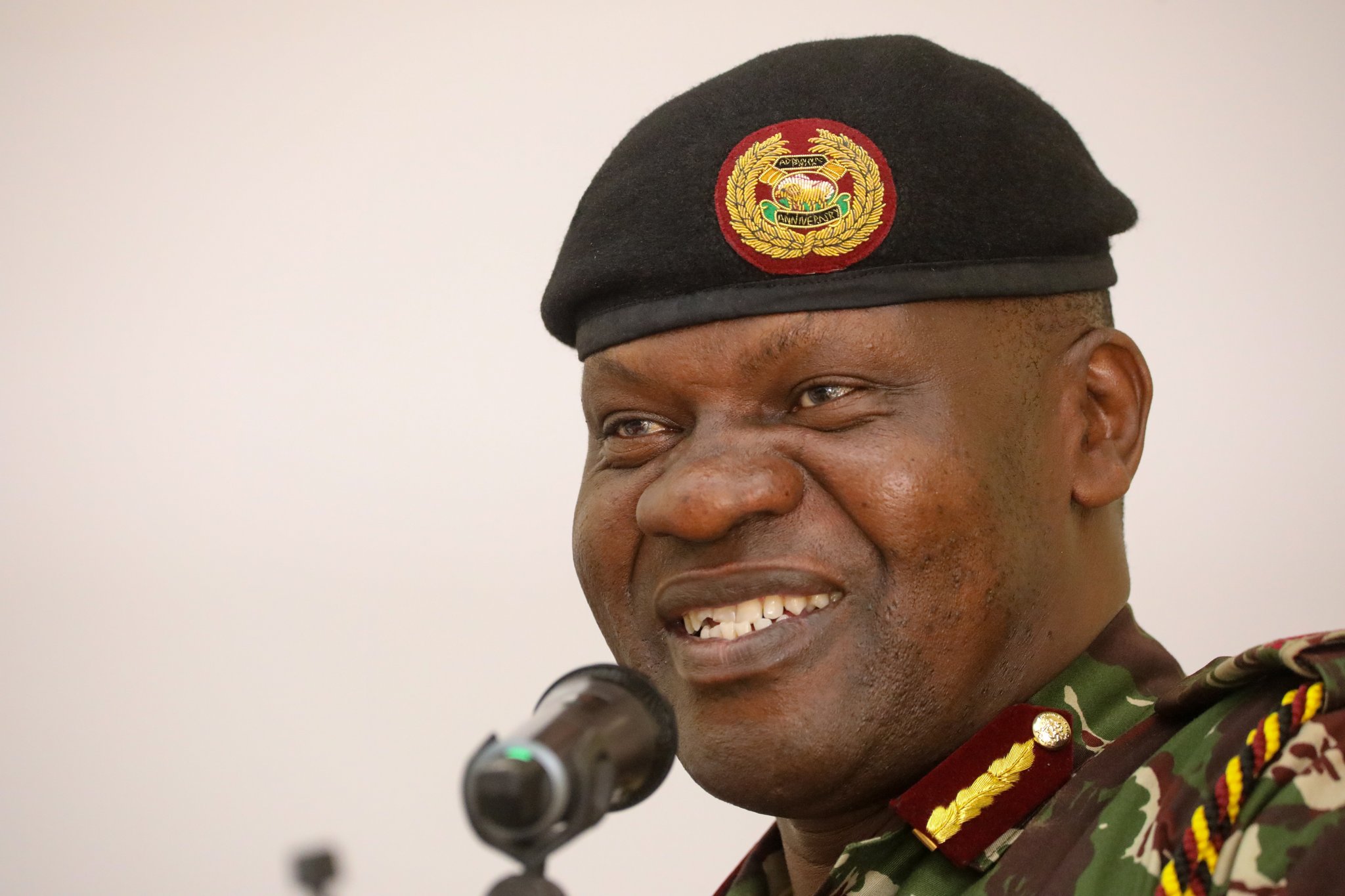
Kenya High Court: USIU Masengeli Graduation Order Denied
Summary
- The Kenya High Court declined to immediately order USIU-Africa to include Deputy Inspector General Gilbert Masengeli in its September 26, 2026 graduation ceremony.
- Justice Patricia Nyaudi directed Masengeli to serve his application on the university, scheduling an inter partes hearing for September 21, 2026.
- Masengeli, a PhD in International Relations student, sought court intervention after his name was allegedly omitted from the graduands list.
- His lawyers, including Cecil Miller and Danstan Omari, argued USIU-Africa failed to communicate the status of his PhD thesis and outstanding requirements.
- The university is expected to respond to the application at the upcoming September 21 hearing, days before the scheduled graduation.
What Happened
This ruling from the Kenya High Court, concerning the USIU Masengeli graduation dispute, highlights the judiciary's cautious approach to intervening in academic matters, particularly when interim orders are sought.
The Kenya High Court has declined to issue an immediate order compelling the United States International University-Africa (USIU-Africa) to include Deputy Inspector General of Police Gilbert Masengeli in its upcoming graduation ceremony. Justice Patricia Nyaudi, presiding over the matter, instead directed Mr. Masengeli to formally serve his application documents on the university. This preliminary decision means that the court will not intervene to ensure his participation in the September 26, 2026, event without a full hearing.
The ruling, delivered on September 16, comes just days before USIU-Africa is scheduled to hold its graduation. Mr. Masengeli had sought the court's intervention after his name was reportedly omitted from the list of graduands for the ceremony. The court's directive sets the stage for a more comprehensive legal battle rather than an expedited interim resolution concerning the USIU Masengeli graduation.
Background to the Dispute
The dispute stems from Mr. Masengeli's pursuit of a PhD in International Relations at USIU-Africa. He initiated legal proceedings alleging that the university administration had failed to provide him with timely updates regarding the status of his doctoral thesis. This lack of communication, he contended, directly impacted his eligibility for the September 26 graduation, leading to the USIU-Africa graduation exclusion lawsuit.
Represented by a legal team including Cecil Miller, Danstan Omari, Stanley Kinyanjui, and Martina Swiga, Mr. Masengeli argued that USIU-Africa bore a clear responsibility to inform him about the progress of his doctoral studies. His lawyers emphasized the university's obligation to communicate any outstanding academic requirements necessary for him to qualify for graduation, a duty they claim was not fulfilled in the Gilbert Masengeli PhD thesis dispute.
Legal Context and Next Steps
Justice Nyaudi's decision to decline the immediate directive underscores a judicial preference for a thorough examination of all arguments before issuing such orders. By instructing Mr. Masengeli to serve his application on USIU-Africa, the court has ensured that the university will have an opportunity to present its side of the case. This procedural step is crucial for upholding principles of natural justice.
The matter is now slated for an inter partes hearing on September 21, 2026. During this session, USIU-Africa is expected to formally respond to the allegations and arguments put forth by Mr. Masengeli's legal team. This hearing will allow both parties to fully articulate their positions before the Kenya High Court makes a substantive determination.
Why It Matters
This ruling from the Kenya High Court, concerning the USIU Masengeli graduation dispute, highlights the judiciary's cautious approach to intervening in academic matters, particularly when interim orders are sought. The court's decision to prioritize an inter partes hearing over an immediate directive suggests a preference for allowing educational institutions to present their defense fully. This approach ensures that all facts surrounding the Gilbert Masengeli PhD thesis dispute are thoroughly vetted.
The case also brings to light the importance of clear and consistent communication between academic institutions and their students, especially concerning critical milestones like thesis approvals and graduation requirements. The upcoming September 21 hearing will be pivotal in determining the specific responsibilities of USIU-Africa in this regard and could set a precedent for how similar disputes are handled in the future, following Justice Patricia Nyaudi's USIU ruling.
Practical Implications
This preliminary ruling from the High Court indicates a judicial preference for full inter partes hearings over immediate interim orders in disputes concerning academic institutions and student graduation. Lawyers advising educational bodies or students should note the court's emphasis on due process and the need for clear communication from institutions regarding academic requirements and dispute resolution procedures.
Source
How does this affect you?
Get an AI analysis of this article grounded in your jurisdictions, practice areas, and any policy documents you've uploaded to Wansom.
Finish Reading the Full Story and the Expert Analysis.
Get the latest legal & regulatory intelligence in Kenya
Wansom is AI and can make mistakes.