
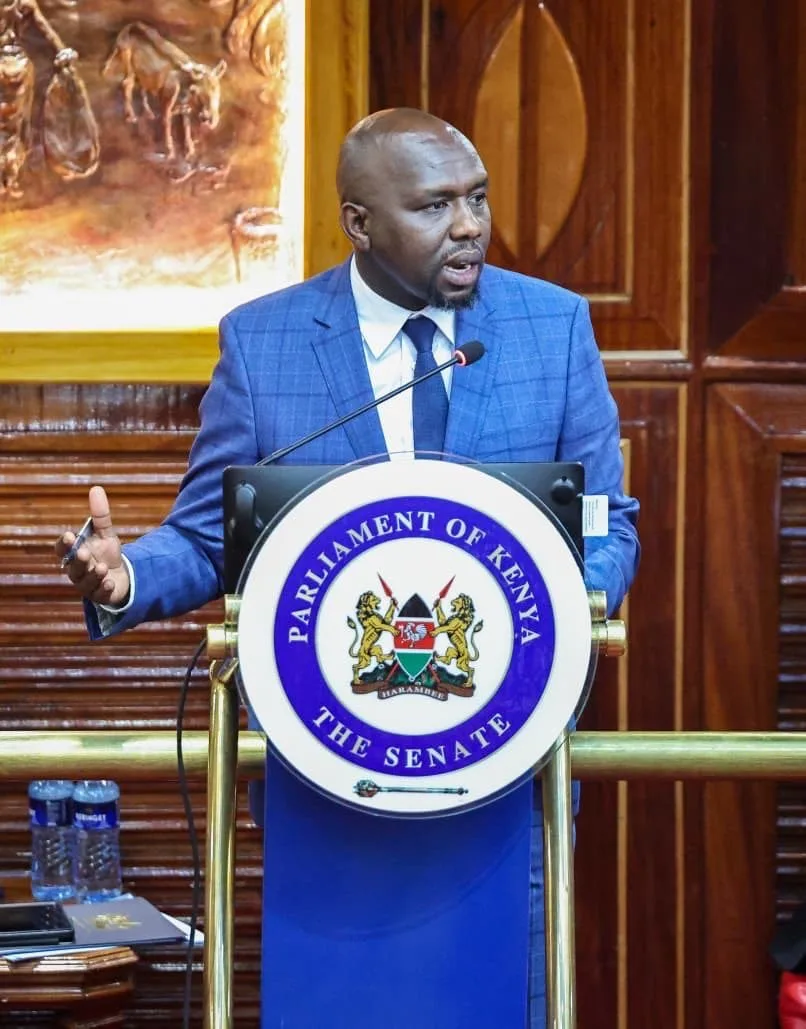
Murkomen: 1,189 Political Violence Convictions in Kenya Since 2022
Summary
- Interior Cabinet Secretary Kipchumba Murkomen reported to the Senate that 1,189 individuals have been convicted for political violence and goonism offenses since 2022.
- These convictions are part of an intensified Kenya political violence crackdown, with sentences varying based on the nature and gravity of the offenses.
- Murkomen has directed security agencies to adopt a preventive approach, acting on intelligence to arrest facilitators of violence before political rallies.
- The Independent Electoral and Boundaries Commission (IEBC) has warned against political intolerance and committed to enforcing its electoral code of conduct.
- The government's focus on electoral goonism convictions Kenya comes amid increased scrutiny over security preparedness ahead of the 2027 General Election.
Crackdown on Political Violence Yields Over a Thousand Convictions
The significant number of convictions underscores the government's intensified efforts to curb electoral goonism and maintain order, particularly as political activity escalates in anticipation of the 2027 General Election.
Since 2022, a significant 1,189 individuals have faced conviction for offenses linked to political violence and electoral goonism in Kenya. This substantial figure was disclosed to the Senate by Interior Cabinet Secretary Kipchumba Murkomen, who emphasized that the penalties imposed by the courts varied according to the specific nature and gravity of each offense.
Murkomen presented these statistics as definitive proof of the government's active measures against political violence. His statement directly addressed concerns that law enforcement agencies were not adequately responding to the use of youth to disrupt political gatherings and intimidate opponents, a practice that has become increasingly prevalent as the 2027 General Election approaches. The significant number of convictions underscores the government's intensified efforts to curb electoral goonism and maintain order, particularly as political activity escalates in anticipation of the 2027 General Election.
Government Adopts Proactive Enforcement Strategy
In response to escalating concerns over violence at political events across the country, Interior Cabinet Secretary Kipchumba Murkomen has outlined a more proactive security approach. He previously instructed the National Police Service and the Directorate of Criminal Investigations to prioritize preventive action, leveraging intelligence to intervene before suspected gangs can reach political rallies. This strategy aims to apprehend individuals facilitating violence before confrontations erupt at political meetings, rather than reacting after the fact.
Murkomen has consistently cautioned politicians against recruiting or deploying young people to cause disruption at political functions, asserting that those found enabling such violence will be held accountable under the law. Furthermore, in July, he issued a directive for security teams nationwide to intensify their crackdown on political goons and criminal organizations, reinforcing the government's commitment to tackling political violence and pursuing those involved in criminal activities disguised as political mobilization.
Electoral Body and Parliament Address Intolerance
The Independent Electoral and Boundaries Commission (IEBC) has also voiced its alarm regarding political intolerance and the deployment of hired groups to disrupt opponents, identifying these as serious threats to the integrity of peaceful elections. The electoral agency has affirmed its resolve to rigorously enforce the electoral code of conduct against any political actors implicated in such activities, signaling increased legal risk for those engaging in disruptive behavior.
Concerns about political violence have resonated within Parliament, with legislators calling for investigations into reported incidents in areas such as Homa Bay, Nyandarua, and Nakuru. These incidents have involved attacks on political supporters, civilians, police officers, and journalists. While Murkomen defines 'goons' as loosely organized groups temporarily recruited for specific assignments, particularly around political activities, he has firmly rejected allegations that the government itself deploys such groups, clarifying that security operations are exclusively conducted by the National Police Service.
Broader Security and Preparedness Context
During his appearance before the Senate, Cabinet Secretary Murkomen also provided updates on broader national security and disaster preparedness initiatives. He informed senators that the government is actively implementing the National Disaster Risk Management Strategy 2025–2030, a framework designed to enhance preparedness and response capabilities for various disasters and emergencies. The National Disaster Operations Centre, he noted, continues to coordinate national-level disaster preparedness and response through a comprehensive whole-of-government and whole-of-society approach.
Additionally, Murkomen addressed preparations for the anticipated El Niño rains, confirming collaborative efforts with relevant agencies to mitigate their potential impact. Despite the ongoing security challenges and heightened scrutiny as political mobilization gains momentum ahead of the 2027 General Election, the Cabinet Secretary maintained that the country remains safe, attributing this to measures undertaken by security agencies to address emerging threats and improve government service delivery.
Practical Implications
Lawyers advising political clients or those involved in electoral activities should note the government's intensified crackdown, evidenced by 1,189 convictions since 2022, and the IEBC's commitment to enforcing the electoral code, indicating increased legal risk for political violence or disruption.
Source
How does this affect you?
Get an AI analysis of this article grounded in your jurisdictions, practice areas, and any policy documents you've uploaded to Wansom.
Finish Reading the Full Story and the Expert Analysis.
Get the latest legal & regulatory intelligence in Kenya
Wansom is AI and can make mistakes.