
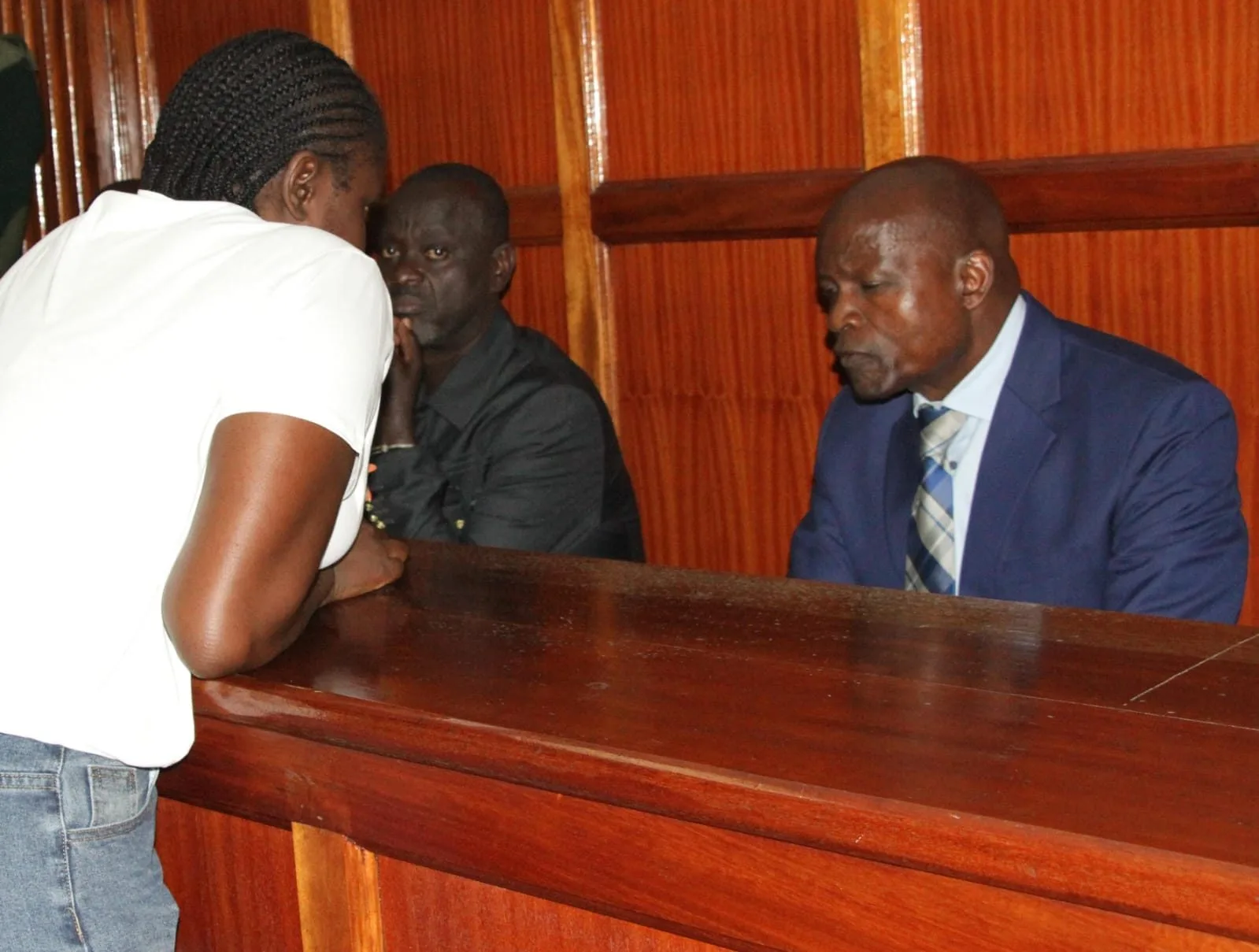
Kenya High Court: Sharon Otieno Father Backs Non-Custodial Sentence for Okoth Obado
Summary
- Sharon Otieno's father, Douglas Zachariah Otieno, told the High Court he would not oppose a non-custodial sentence for former Governor Okoth Obado.
- Mr. Otieno cited Obado's demonstrated remorse and attempts at reconciliation through relatives as reasons for his stance.
- Conversely, he expressed profound anger towards co-convicts Michael Juma Oyamo and Caspal Ojwang Obiero, stating they showed no remorse.
- The High Court convicted Obado, Oyamo, and Obiero of Sharon Otieno's murder on July 23, 2026, and is currently considering sentencing submissions.
- The victim's family statement is a significant factor for the court in determining the final sentences for the three individuals, which are scheduled to be pronounced on November 27, 2026.
Victim's Family Speaks on Sentencing
His explicit willingness to accept a non-custodial sentence for Okoth Obado, based on perceived remorse and reconciliation attempts, could potentially influence the court's decision regarding the former governor's fate.
Douglas Zachariah Otieno, the father of the late university student Sharon Otieno, recently addressed the High Court in Nairobi during the sentencing phase of the murder trial. Mr. Otieno conveyed to the court that he would not object to a non-custodial sentence for former Migori Governor Okoth Obado. His stance was informed by what he described as Obado's demonstrated remorse and efforts towards reconciliation with the grieving family. The former governor reportedly initiated contact with the family through relatives, seeking to mend relations.
Mr. Otieno explained that he had maintained silence regarding his daughter's tragic death for nine years, but felt compelled to speak on this particular day due to its profound significance in the ongoing legal proceedings. He expressed gratitude to the court for providing him the platform to articulate his feelings, noting that his testimony primarily concerned Mr. Obado's actions and perceived contrition.
In stark contrast to his position on Obado, Mr. Otieno voiced profound anger and bitterness towards the co-convicts, Michael Juma Oyamo and Caspal Ojwang Obiero. He asserted that these two individuals had shown no comparable remorse to the family. His resentment was intensified by their alleged involvement in the events immediately preceding Sharon's death, stating that they were the last seen with his daughter before her demise.
To underscore the depth of his fury towards Oyamo and Obiero, Mr. Otieno used vivid and graphic language in his emotional statement. He declared, "If I could be a dog today, I could bite them and lick their blood the same way dogs licked my daughter’s blood," emphasizing his belief that the two had remained unremorseful throughout the process.
Legal Proceedings and Conviction
The High Court, presided over by Justice Cecilia Githua, previously found Okoth Obado, Michael Juma Oyamo, and Caspal Ojwang Obiero guilty of Sharon Otieno's murder. This conviction was handed down on July 23, 2026, after the prosecution successfully presented its case and proved the charges beyond any reasonable doubt.
Currently, the court is reviewing various submissions from all parties involved in the Sharon Otieno murder case sentencing update. These include statements from the victims' families, arguments from the prosecution, and presentations from the defense teams of the convicts. This comprehensive review is a critical step before the final sentencing decisions are pronounced for Okoth Obado, Michael Oyamo, and Caspal Obiero on November 27, 2026.
Influence on Sentencing
The victim impact statement delivered by Sharon Otieno's father, Douglas Zachariah Otieno, introduces a significant element for the Kenya High Court to consider during the sentencing phase. His explicit willingness to accept a non-custodial sentence for Okoth Obado, based on perceived remorse and reconciliation attempts, could potentially influence the court's decision regarding the former governor's fate. This request for leniency, coming directly from the victim's family, highlights the complex interplay between justice, reconciliation, and the legal framework in Kenya.
Conversely, Mr. Otieno's vehement condemnation of Michael Oyamo and Caspal Obiero, coupled with his assertion of their lack of remorse, presents a different dynamic for the court. His strong emotional testimony, including the graphic imagery used, underscores the family's desire for a more stringent penalty for these two co-convicts. Such victim impact statements are crucial in Kenya's criminal law, as they provide the court with a direct understanding of the profound effects of the crime on those most affected, thereby shaping the judicial determination of suitable punishment.
Practical Implications
Lawyers involved in criminal defense or prosecution in Kenya should note the potential influence of victim family statements on sentencing, particularly regarding requests for leniency or non-custodial sentences based on perceived remorse and reconciliation. This case highlights how such statements can be a significant factor for the court to consider during sentencing proceedings.
Source
How does this affect you?
Get an AI analysis of this article grounded in your jurisdictions, practice areas, and any policy documents you've uploaded to Wansom.
Finish Reading the Full Story and the Expert Analysis.
Get the latest legal & regulatory intelligence in Kenya
Wansom is AI and can make mistakes.