
Guinée Interdiction Plastique: Perceptis Sondage Révèle Préparation Inadéquate
Summary
- Guinea's ban on single-use plastics has faced significant adaptation difficulties one month after its implementation.
- A participatory survey by the Perceptis Foundation found that 69% of respondents approve the ban's principle.
- The same 69% of respondents believe the ban's implementation was poorly prepared.
- The findings highlight a disconnect between public support for environmental goals and criticism of the policy's rollout.
Initial Reactions to Guinea's Plastic Ban
For legal professionals advising businesses in Guinea, these findings highlight a critical need to address the practical challenges and compliance risks associated with the poorly implemented single-use plastic ban.
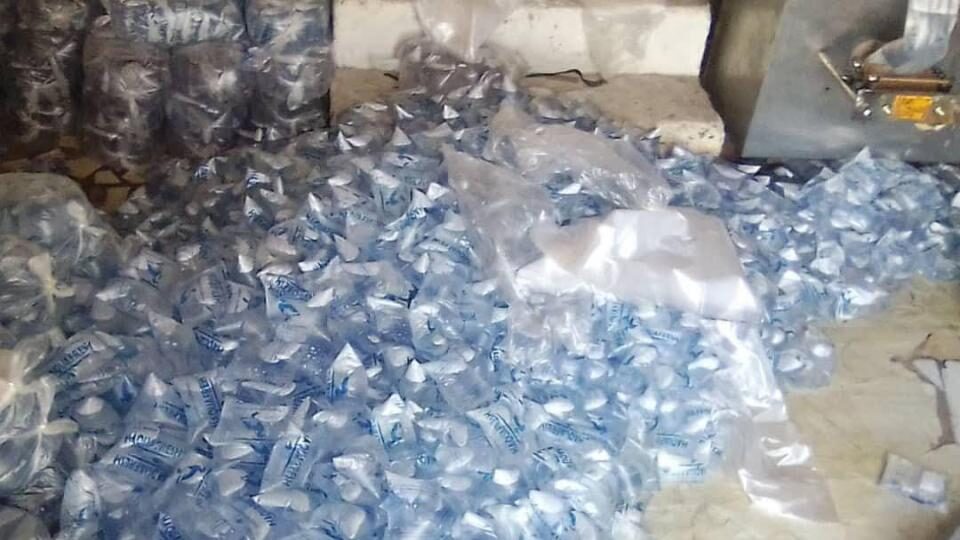
Guinea's recent prohibition on single-use plastics, which came into effect on September 20, 2026, encountered significant challenges within its first month, leading to a partial suspension of the ban for water sachets on October 7, 2026. The interdiction plastique usage unique Guinée, a key environmental measure, is already prompting concerns regarding its practical application across the nation. Initial observations suggest that while the underlying principle of the ban garners broad support, its execution has been widely criticized.
A participatory survey conducted by the Perceptis Foundation revealed that a substantial majority of respondents, specifically 69%, endorse the fundamental objective of eliminating single-use plastics. However, the same proportion of individuals, 69%, expressed the view that the implementation of this new regulation was inadequately prepared. This dual finding underscores a public sentiment that is supportive of environmental protection but critical of the government's approach to policy rollout. The Perceptis sondage highlights a disconnect between policy intent and operational readiness, signaling potential hurdles for compliance and public adaptation.
The Regulatory Framework
The Guinée loi plastique represents a significant legislative step towards environmental sustainability, aiming to curb the pervasive issue of plastic pollution. This legal framework mandates a comprehensive ban on various single-use plastic items, reflecting a global trend towards stricter environmental regulations. The objective is to foster a cleaner environment and encourage the adoption of more sustainable alternatives within the Guinean economy.
Despite the clear environmental benefits envisioned by the interdiction plastique usage unique Guinée, the Perceptis Foundation's findings indicate that the transition period has been anything but smooth. The survey results, released a mere month after the ban took effect, suggest that the regulatory body may not have adequately prepared stakeholders for the shift. This lack of preparedness could impede the effective mise en œuvre interdiction plastique Guinée, potentially leading to widespread non-compliance if businesses and consumers struggle to adapt to the new legal requirements.
Implications of Poor Preparation
The Perceptis rapport plastique Guinée starkly illustrates the difficultés adaptation loi plastique Guinée stemming from what many perceive as a rushed or poorly planned implementation. When 69% of respondents believe the rollout was ill-prepared, it points to systemic issues that could undermine the ban's long-term success. Businesses, particularly those reliant on single-use plastic packaging or products, face immediate operational challenges in sourcing compliant alternatives. Consumers, too, must adjust their purchasing habits and find new ways to manage daily needs without previously ubiquitous plastic items.
The implications extend beyond mere inconvenience; inadequate preparation can lead to a black market for prohibited items, increased costs for compliant alternatives, and a general sense of frustration among the populace. For legal professionals advising businesses in Guinea, these findings highlight a critical need to address the practical challenges and compliance risks associated with the poorly implemented single-use plastic ban. The mise en œuvre interdiction plastique Guinée requires careful navigation, particularly concerning potential enforcement actions and the availability of compliant alternatives, as this survey indicates a high likelihood of non-compliance issues due to inadequate preparation.
Practical Implications
Lawyers should advise businesses in Guinea on the practical challenges and compliance risks associated with the poorly implemented single-use plastic ban, particularly regarding potential enforcement actions and the availability of compliant alternatives. This survey indicates a high likelihood of non-compliance issues due to inadequate preparation.
Source
How does this affect you?
Get an AI analysis of this article grounded in your jurisdictions, practice areas, and any policy documents you've uploaded to Wansom.
Wansom is AI and can make mistakes.