
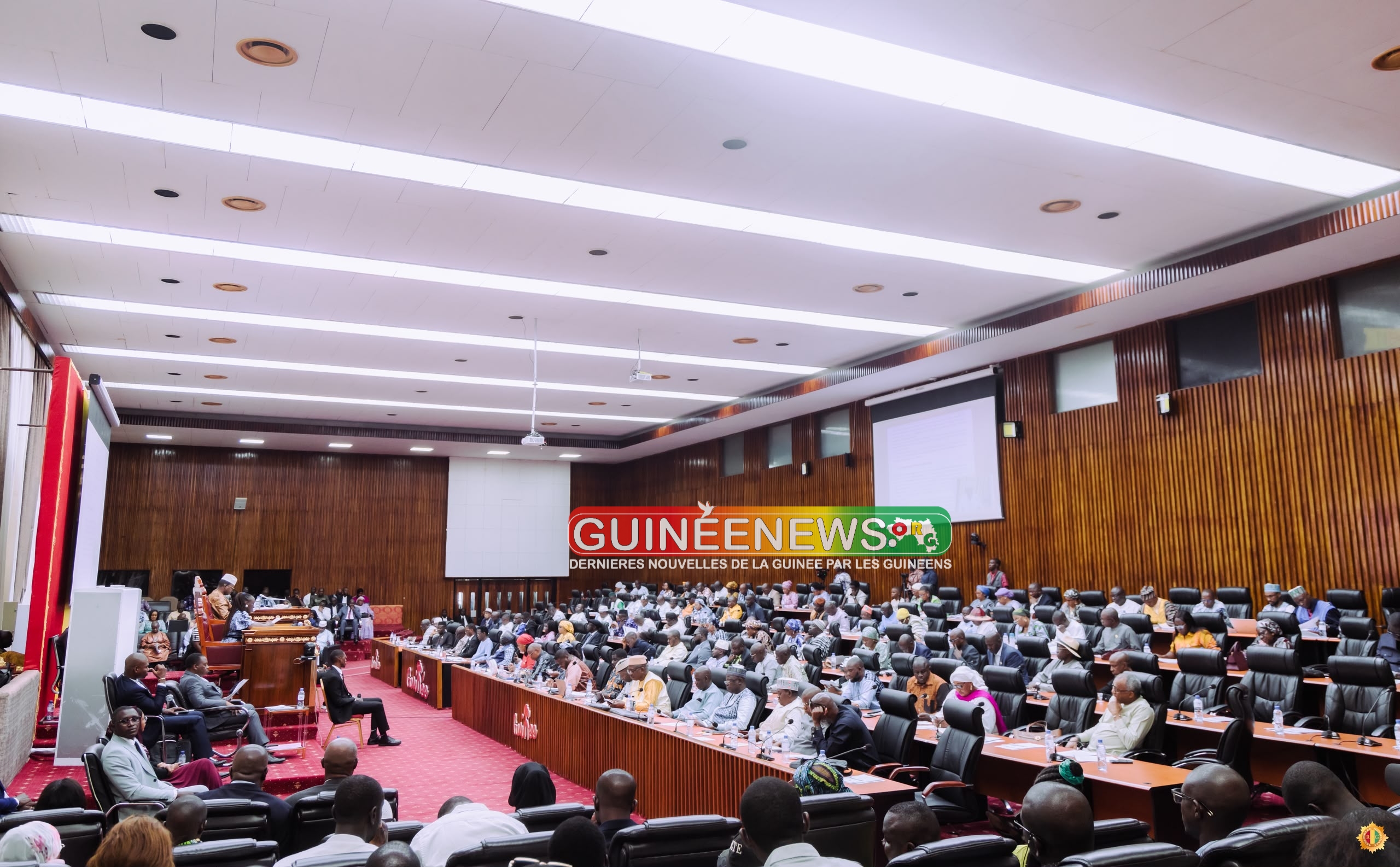
Assemblée Nationale Guinée: Approbation du Budget Rectifié 2026
Summary
- The Guinean National Assembly approved the expenditure component of the 2026 Rectified Finance Bill on November 7, 2026.
- The total rectified budget for 2026 amounts to 67,925.87 billion Guinean Francs.
- N'Gouamou Fabara Koné, who previously served as a counselor in the National Council of the Transition until July 17, 2026, presented the budget report on behalf of a key parliamentary commission.
- This legislative action establishes the updated framework for public spending in Guinea for the 2026 fiscal year.
What Happened
The formal endorsement of the PLFR 2026 Guinée, particularly its expenditure framework totaling 67,925.87 billion GNF, provides a definitive roadmap for the nation's public spending.
The Guinean National Assembly, during a plenary session convened on Saturday, November 7, 2026, officially sanctioned the expenditure component of the Projet de Loi de Finances Rectificative (PLFR) for the 2026 fiscal year. This significant legislative action confirms the government's adjusted financial blueprint for the upcoming period, establishing the framework for national spending. The comprehensive rectified budget for 2026 has been set at a substantial 67,925.87 billion Guinean Francs (GNF), reflecting the nation's revised fiscal outlook.
The approval process was initiated by the presentation of a detailed report. This report was delivered by N'Gouamou Fabara Koné, who previously served as a counselor in the National Council of the Transition until July 17, 2026. His presentation was made on behalf of the Commission for Economic and Financial Affairs, Planning, and Cooperation, a key parliamentary committee responsible for scrutinizing financial proposals. The commission's thorough review and subsequent report were instrumental in guiding the Assembly's decision on the budget.
Legislative Process and Oversight
The adoption of the Guinée budget rectifié 2026 by the Assemblée nationale Guinée budget 2026 underscores the rigorous legislative oversight applied to public finances. The general rapporteur, N'Gouamou Fabara Koné, played a pivotal role in this process, articulating the intricate details and recommendations from the specialized Commission for Economic and Financial Affairs, Planning, and Cooperation to the full assembly. This structured parliamentary procedure ensures that all proposed adjustments to the national budget undergo comprehensive examination and debate before receiving final approval.
The Projet Loi Finances Rectificative 2026 Guinée represents a critical mechanism for governmental adaptability in fiscal management. Unlike an initial budget, a rectified finance bill allows for necessary modifications to be made mid-cycle, responding to unforeseen economic shifts, changes in national priorities, or updated revenue projections. The approval of the expenditure section specifically delineates how public funds will be allocated and spent, providing clarity on the government's financial commitments for the remainder of the 2026 fiscal year. This legislative flexibility is crucial for maintaining economic stability and responsiveness.
Implications for Public Spending and Economic Direction
The formal endorsement of the PLFR 2026 Guinée, particularly its expenditure framework totaling 67,925.87 billion GNF, provides a definitive roadmap for the nation's public spending. This rectified budget is not merely an accounting document; it is a strategic declaration of the government's updated fiscal priorities and its commitment to various sectors, directly influencing the trajectory of Guinée dépenses publiques 2026. The detailed provisions within this approved budget will govern how financial resources are deployed across different ministries and public programs.
For legal professionals and compliance officers, a thorough analysis of this rectified budget is essential. It offers insights into potential shifts in government spending, which could signal new opportunities for public procurement or indicate areas where fiscal policy adjustments might impact existing contracts or future investments. The Assembly's decision on this significant financial document directly shapes the economic environment, making its provisions a critical reference point for understanding the operational landscape within Guinea. This legislative action provides a clear signal regarding the nation's economic direction and investment focus for the coming period.
Practical Implications
Lawyers and compliance officers should analyze the detailed provisions of Guinea's 2026 rectified budget to understand potential shifts in government spending priorities, new public procurement opportunities, or fiscal policy adjustments that could impact their clients' business operations, investments, or contractual obligations within the jurisdiction.
Source
How does this affect you?
Get an AI analysis of this article grounded in your jurisdictions, practice areas, and any policy documents you've uploaded to Wansom.
Finish Reading the Full Story and the Expert Analysis.
Get the latest legal & regulatory intelligence in Guinea
Wansom is AI and can make mistakes.