
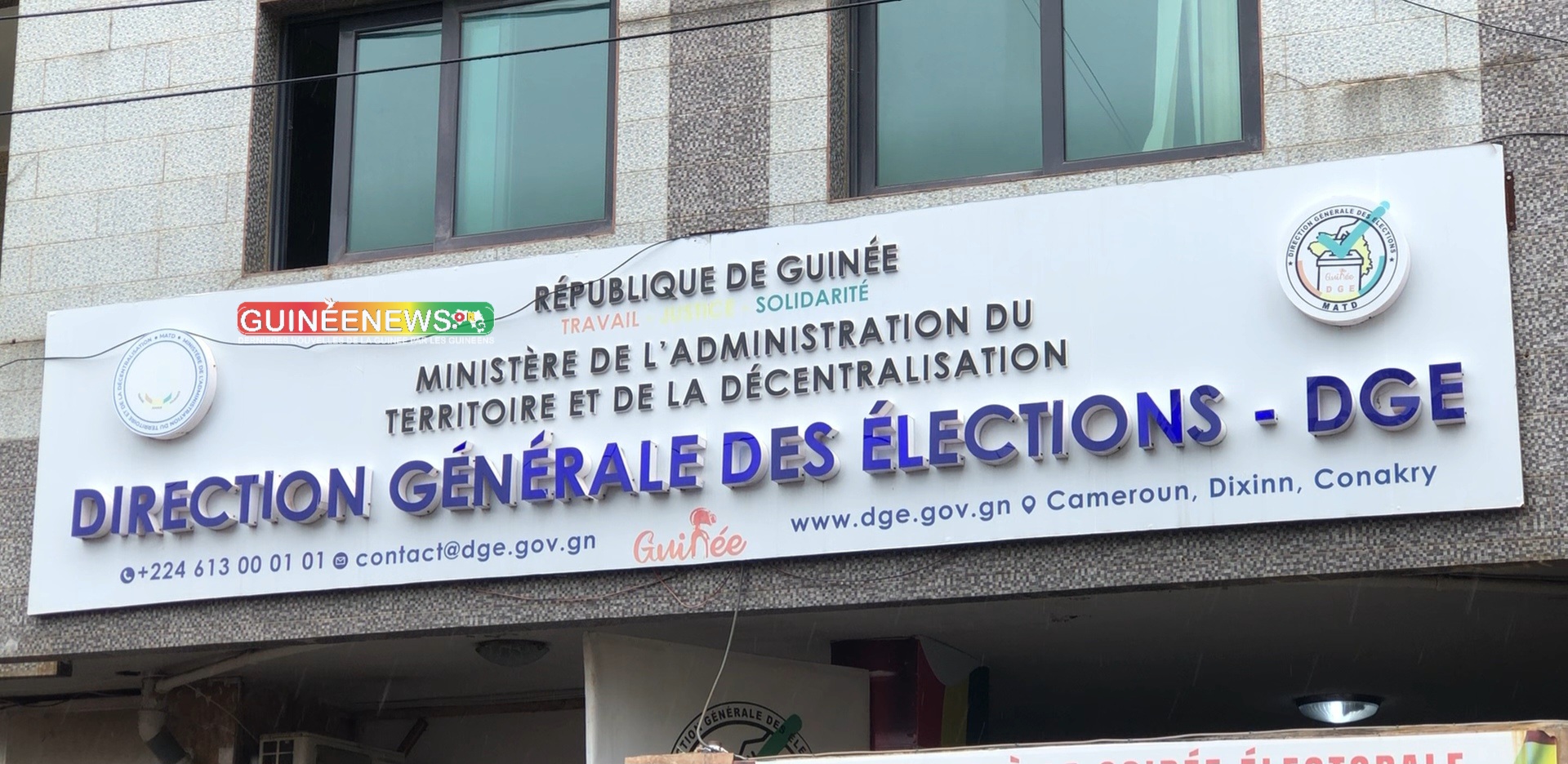
GN Décret: Mohamed Ali Condé Nommé Directeur Général des Élections
Summary
- On Monday, November 9, 2026, President Mamadi Doumbouya issued a decree.
- The decree, broadcast by national television, appointed Mohamed Ali Condé as the new Director General of Elections.
- Mr. Condé succeeds Djénabou Touré, who has moved to a position within the Ministry.
What Happened
The individual leading this body, therefore, holds a position of immense public trust and operational significance.
On Monday, November 9, 2026, a significant governmental change was formally announced to the public. This announcement came through a presidential decree, which was broadcast via national television, ensuring widespread dissemination of the information. The decree, issued by President Mamadi Doumbouya, specifically addressed the leadership of a crucial national institution responsible for overseeing electoral processes.
The central action of this decree was the appointment of Mohamed Ali Condé to assume the role of Director General of Elections. This new assignment places Mr. Condé at the helm of an organization vital for the administration and integrity of national polls. His appointment follows the departure of Djénabou Touré, who previously held the position and has since transitioned to a role within the Ministry, the specific department of which was not detailed in the public announcement. This transition marks a notable shift in the administrative structure governing national elections.
The Role of Electoral Leadership
The General Directorate of Elections plays an indispensable role in the democratic framework of any nation. Its responsibilities typically encompass the organization, supervision, and validation of electoral activities, from voter registration to the final tabulation of results. The individual leading this body, therefore, holds a position of immense public trust and operational significance.
A change in this leadership, particularly one enacted through a presidential decree and publicly announced, underscores the executive's prerogative in shaping the direction and personnel of key state institutions. Such appointments are often viewed through the lens of continuity and reform, with the incoming director expected to uphold the impartiality and efficiency of the electoral system. The effective functioning of this directorate is paramount for ensuring fair and transparent elections, which are foundational to political stability and public confidence in governance. The transition from one leader to another, as seen with Mohamed Ali Condé succeeding Djénabou Touré, represents a critical juncture for the institution and its future operations.
Broader Implications for Governance
The presidential decree naming Mohamed Ali Condé to lead the General Directorate of Elections carries broader implications for national governance. The appointment of a new director to such a sensitive and high-profile position can signal a renewed focus on electoral integrity or a strategic realignment within the government's administrative priorities. Public perception of the electoral body's independence and competence is heavily influenced by its leadership, making such changes closely watched by citizens, political parties, and international observers alike.
Ensuring a smooth and effective transition of leadership within the General Directorate of Elections is crucial for maintaining the operational readiness of the institution, especially as it prepares for future electoral cycles. The departure of a previous director, Djénabou Touré, to a ministerial role and the subsequent appointment of Mohamed Ali Condé highlight the dynamic nature of high-level government staffing. This move reflects the ongoing adjustments within the executive branch to optimize its administrative machinery and reinforce its capacity to manage critical national functions, such as the conduct of free and fair elections.
Source
How does this affect you?
Get an AI analysis of this article grounded in your jurisdictions, practice areas, and any policy documents you've uploaded to Wansom.
Finish Reading the Full Story and the Expert Analysis.
Get the latest legal & regulatory intelligence in Guinea
Wansom is AI and can make mistakes.