
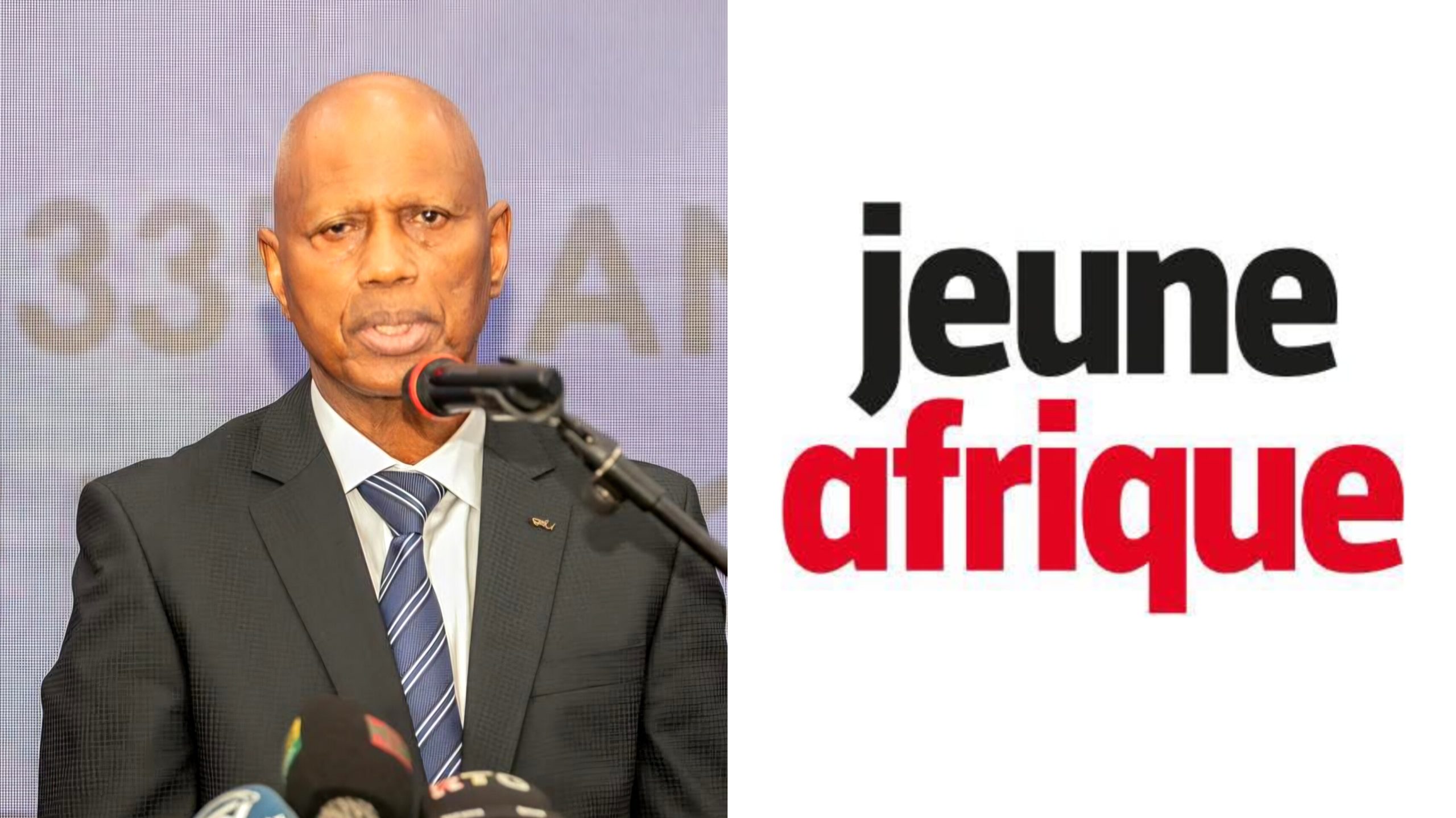
Guinea HAC: Journalist Accreditation Withdrawn for Jeune Afrique Correspondent
On Wednesday, September 16, 2026, the Collège des Commissaires of Guinea's Haute Autorité de la Communication (HAC) decided to withdraw the journalistic accreditation of Mamadou Diawo Barry, the permanent correspondent for Jeune Afrique in Guinea.
This action by Guinea's primary media regulator carries significant legal and practical implications for press freedom, the operational independence of journalists, and the broader media landscape within the country. The withdrawal of accreditation can effectively bar a journalist from practicing, raising concerns about the right to inform and be informed, as well as the potential for chilling effects on investigative journalism and critical reporting. While the excerpt indicates the HAC's reasoning was provided, the specific details are not reported, making it crucial for legal professionals to understand the full context and justification once it becomes public. This decision could set a precedent for how the HAC exercises its regulatory powers, potentially impacting other local and international media professionals operating in Guinea.
Legally, the Haute Autorité de la Communication (HAC) operates under a mandate likely derived from Guinea's constitutional provisions on freedom of expression and specific laws governing the press and communication. Its role is to regulate and ensure ethical conduct within the media sector, including the issuance and withdrawal of journalistic accreditations. The legal framework for accreditation typically outlines the conditions for obtaining and maintaining such status, as well as the grounds and procedures for its revocation. Decisions by the HAC are administrative acts, which, under Guinean law, are generally subject to review or appeal before the competent administrative courts, ensuring a mechanism for challenging potentially arbitrary or unlawful rulings. The key parties involved are the HAC, specifically its Collège des Commissaires, as the regulatory body, and Mamadou Diawo Barry, the affected journalist representing the international media outlet Jeune Afrique.
Attorneys advising media organizations, individual journalists, or human rights advocacy groups in Guinea should closely monitor the full public statement from the HAC detailing the specific reasons for this accreditation withdrawal. A thorough review of the relevant provisions of the Guinean press code, communication laws, and the HAC's internal regulations governing accreditation and sanctions is imperative. Practitioners should be prepared to advise on potential avenues for appeal or legal challenge against such administrative decisions, considering the procedural fairness and substantive grounds. Furthermore, businesses and organizations that rely on independent media reporting for market intelligence or public relations should be aware of the evolving regulatory environment and its potential impact on information flow and the overall investment climate in Guinea.
How does this affect you?
Get an AI analysis of this article grounded in your jurisdictions, practice areas, and any policy documents you've uploaded to Wansom.
Finish Reading the Full Story and the Expert Analysis.
Get the latest legal & regulatory intelligence in Guinea
Wansom is AI and can make mistakes.