
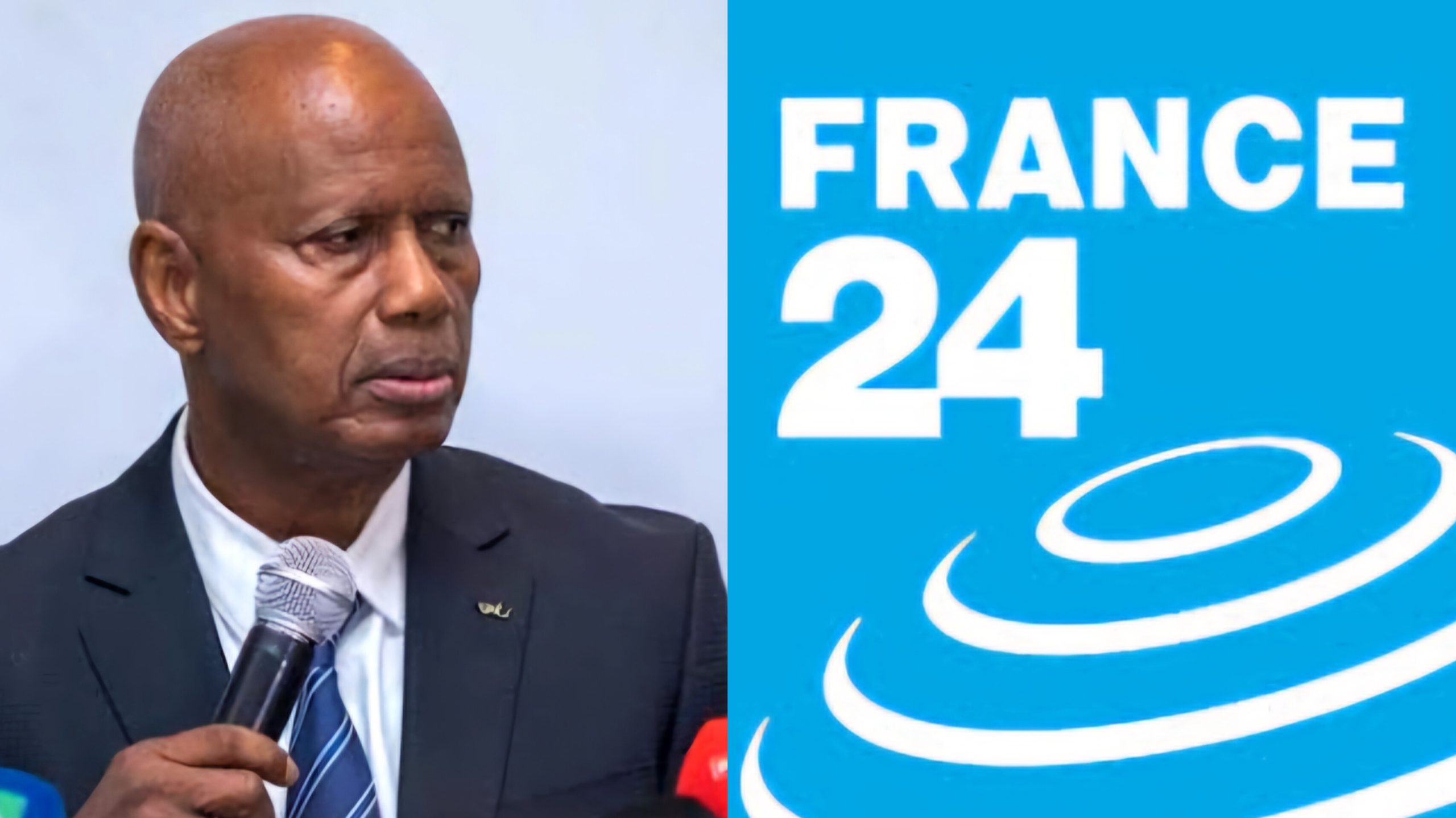
Guinée HAC: France 24 Mise En Demeure Over Doumbouya "Degrading" Comments
Summary
- Guinea's media regulator, the Haute Autorité de la Communication (HAC), issued a formal notice to France 24 on September 16, 2026.
- The `mise en demeure` was prompted by France 24's use of an "inappropriate" qualifier for President Mamadi Doumbouya during a broadcast on September 15.
- The HAC deemed the language used by the international channel as "degrading" towards the head of state.
- This action highlights the `HAC Guinée`'s role in regulating media content and its stance on language used to describe national leaders.
- The incident raises concerns about media freedom and potential increased scrutiny for news organizations reporting on Guinea.
Formal Notice Issued to France 24
This `Guinée HAC France 24 mise en demeure` carries significant implications for the broader landscape of `liberté de presse Guinée HAC` and the operational environment for both domestic and international media entities.
Guinea's media watchdog, the Haute Autorité de la Communication (HAC), formally reprimanded the international news channel France 24 on Wednesday, September 16, 2026. The regulatory body issued a formal notice, known as a `mise en demeure`, in response to what it deemed an "inappropriate" description of the Guinean head of state, President Mamadi Doumbouya, broadcast during a news edition on September 15.
The `HAC Guinée` specifically cited the use of a particular qualifier by France 24, which it considered to be "degrading" when applied to the President. This official communication marks a direct intervention by the Guinean media regulator into the editorial content of an international broadcaster, signaling its intent to enforce specific standards regarding the portrayal of national leaders.
The formal `avertissement France 24` underscores the authority's role in overseeing media conduct within the nation. Such a notice typically serves as a stern warning, indicating that the regulator has identified a breach of its guidelines and expects corrective action or adherence to its directives in future broadcasts.
Regulatory Scrutiny and Language Standards
The Haute Autorité de la Communication (HAC) operates as the principal media regulation body in Guinea, tasked with ensuring compliance with national broadcasting standards. Its recent action against France 24 highlights the regulator's focus on the language used by media outlets, particularly when reporting on high-ranking government officials like President Mamadi Doumbouya.
The `régulation médias Guinée` decision to issue a `mise en demeure` over an "inappropriate" and "degrading" qualifier suggests a strict interpretation of journalistic ethics and respect for national institutions. This incident sets a precedent for how the HAC might respond to content perceived as disrespectful or critical of the leadership, potentially influencing editorial decisions across the media landscape.
While the specific qualifier used by France 24 was not detailed in the public announcement, the HAC's characterization of it as "degrading" indicates a low tolerance for language that could be seen as undermining the dignity or authority of the head of state. This move by the `HAC Guinée` reinforces the regulator's power to intervene in editorial matters, even those involving international news organizations.
Implications for Media Freedom in Guinea
This `Guinée HAC France 24 mise en demeure` carries significant implications for the broader landscape of `liberté de presse Guinée HAC` and the operational environment for both domestic and international media entities. The regulator's focus on `Mamadi Doumbouya propos dégradants` suggests a potential tightening of controls over critical reporting and an increased scrutiny of how media outlets frame their narratives concerning the government.
For media organizations operating within or reporting on Guinea, this development necessitates a careful review of editorial policies and a heightened awareness of the potential for regulatory intervention. The `avertissement France 24` could be interpreted as a signal that authorities are prepared to take action against content deemed disrespectful, even if it falls within the bounds of critical journalism in other contexts.
Concerns may arise regarding potential `France 24 Guinée censure` or self-censorship among journalists seeking to avoid similar formal notices. This incident underscores the delicate balance between upholding journalistic independence and navigating the regulatory frameworks established by national authorities, particularly in environments where media freedom is under close observation.
Practical Implications
This formal notice from Guinea's media regulator to an international broadcaster for 'inappropriate' language towards the President signals a potential tightening of media freedom and increased scrutiny of reporting. Legal counsel for media organizations operating in Guinea should review editorial policies and conduct risk assessments regarding content critical of the government, as this could set a precedent for future regulatory actions.
Source
Source: Original reporting via {source}
How does this affect you?
Get an AI analysis of this article grounded in your jurisdictions, practice areas, and any policy documents you've uploaded to Wansom.
Finish Reading the Full Story and the Expert Analysis.
Get the latest legal & regulatory intelligence in Guinea
Wansom is AI and can make mistakes.