
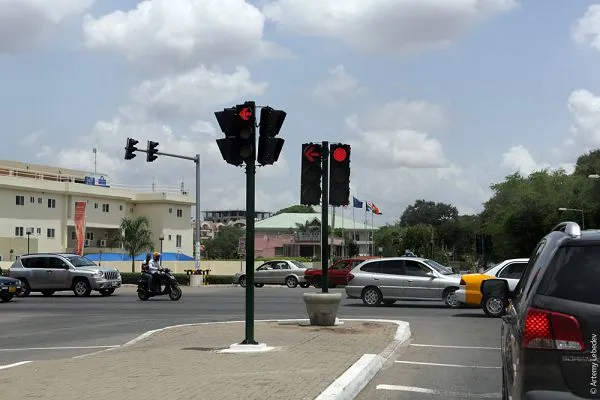
GPRTU Pushes for TRAFFITECH-GH 2027 Implementation
Summary
- The Ghana Private Road Transport Union has called for the full implementation of TRAFFITECH-GH to be postponed until 2027.
- The union cited inadequate preparation and a lack of public education as key reasons for the requested delay.
- Concerns were raised about police officers' understanding of the system and the readiness of necessary infrastructure and enforcement equipment.
- GPRTU's Deputy PRO, Samuel Amoah, emphasized that the system should prioritize road safety and compliance over revenue generation.
- TRAFFITECH-GH was originally scheduled for October 1, 2026, but was rescheduled for full implementation on November 1, 2026.
Call for Delay in TRAFFITECH-GH Implementation
For transport companies and individual drivers, this request for a GPRTU TRAFFITECH-GH 2027 implementation signals a potential grace period, offering more time for compliance preparation.
The Ghana Private Road Transport Union (GPRTU) has formally requested a significant postponement of the full implementation of the TRAFFITECH-GH system, advocating for its complete rollout to commence in 2027. This call comes as the system, originally slated for October 1, 2026, was recently rescheduled for full implementation on November 1, 2026. The union's primary concerns revolve around what it perceives as insufficient preparation and a lack of comprehensive public education regarding the new traffic enforcement framework.
Samuel Amoah, the Deputy Public Relations Officer for the GPRTU, articulated these sentiments during a television interview with Channel One News on Friday, October 9. While acknowledging the potential of TRAFFITECH-GH to significantly enhance road discipline across Ghana, Amoah expressed serious doubts about the authorities' current state of readiness. He underscored the critical need for both the requisite infrastructure and the necessary enforcement equipment to be fully operational and available before the system is brought into effect.
Operational Readiness and Training Deficiencies
A central point of contention for the GPRTU is the apparent lack of understanding among law enforcement personnel regarding the operational mechanics of the new system. Mr. Amoah recounted personal interactions with police officers who, according to him, did not fully grasp the intricacies of TRAFFITECH-GH. This raises significant TRAFFITECH-GH police preparation concerns, suggesting a gap in training that could impede effective and fair enforcement.
Furthermore, the union emphasized the necessity for specific technological devices to be made accessible to police officers. These tools are crucial for efficiently verifying drivers' licenses and other essential vehicle documentation. The GPRTU's stance is that a Ghana traffic enforcement system delay is warranted to ensure that all foundational elements, including officer training and infrastructure readiness, are robustly in place before the GPRTU TRAFFITECH-GH 2027 implementation can proceed without significant hitches.
Prioritizing Safety Over Revenue and Future Implications
Despite the reservations regarding immediate implementation, the GPRTU recognizes the inherent value of TRAFFITECH-GH in fostering greater order on the nation's roads. Mr. Amoah affirmed that the system holds promise for improving driver compliance and reducing instances of police harassment or corruption. However, he issued a strong caution against allowing the system to become primarily a tool for revenue generation from traffic offenses. Instead, the union insists that the paramount objective of TRAFFITECH-GH must remain the enhancement of road safety and strict adherence to traffic regulations.
This perspective suggests that any rush to implement the system without adequate preparation could undermine its core purpose and lead to significant challenges. The GPRTU's TRAFFITECH-GH postponement request, therefore, serves as a critical appeal for a more deliberate and thorough approach, ensuring that the system's benefits are fully realized through proper education and readiness, rather than through premature and potentially flawed enforcement. For transport companies and individual drivers, this request for a GPRTU TRAFFITECH-GH 2027 implementation signals a potential grace period, offering more time for compliance preparation. It also highlights a basis for questioning or challenging early enforcement actions if the system is indeed rolled out before the union's concerns regarding police training and infrastructure are adequately addressed.
Practical Implications
Lawyers advising transport companies or individuals should note the GPRTU's call for a delay in TRAFFITECH-GH implementation until 2027. This signals potential for a grace period for compliance preparation and may provide grounds for challenging early enforcement actions if the system is rolled out without addressing the highlighted concerns regarding police training and infrastructure.
Source
How does this affect you?
Get an AI analysis of this article grounded in your jurisdictions, practice areas, and any policy documents you've uploaded to Wansom.
Finish Reading the Full Story and the Expert Analysis.
Get the latest legal & regulatory intelligence in Ghana
Wansom is AI and can make mistakes.