
NPP Secretary Urges Caution in Ghana BRICS Membership Debate
Summary
- Ghana's Foreign Affairs Minister Samuel Okudzeto Ablakwa announced the government's decision to formally apply for BRICS partner country status.
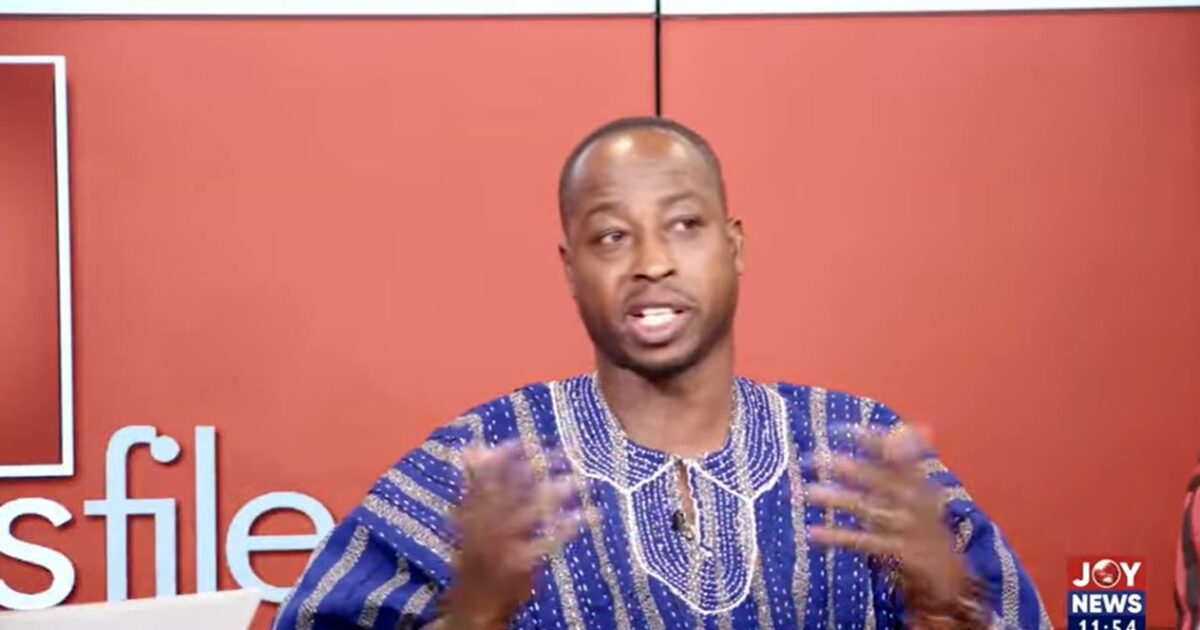
- NPP Bono East Regional Secretary David Boakye urged the government to pursue a BRICS partnership instead of full membership.
- Boakye questioned Ghana's ability to meet all membership criteria, citing economic differences and comparing the process to NATO admission.
- Minister Ablakwa stated the move aims to diversify partnerships, expand economic opportunities, and strengthen cooperation with the Global South.
- Boakye requested further government explanation on its decision, noting varied BRICS engagement models among African nations like Nigeria and Uganda.
Ghana's BRICS Membership Bid
This call for clarity underscores a desire for transparency and a comprehensive understanding of the government's strategy concerning Ghana BRICS membership debate NPP.
Ghana's government has declared its intention to formally apply for BRICS partner country status in the BRICS bloc, a group of major emerging economies. This significant announcement was made by Foreign Affairs Minister Samuel Okudzeto Ablakwa, who outlined the administration's rationale for pursuing this path. According to Minister Ablakwa, the move is designed to achieve several strategic objectives, including diversifying Ghana’s international partnerships, expanding economic opportunities for the nation, and strengthening cooperation with countries across the Global South.
This proactive step towards deeper integration with the BRICS bloc has, however, ignited a debate among political figures. David Boakye, the Bono East Regional Secretary of the ruling New Patriotic Party (NPP), has publicly urged the government to adopt a more cautious approach. Mr. Boakye advocates for Ghana to pursue a partnership arrangement with BRICS instead of committing to full membership, emphasizing the need for a thorough assessment of the implications before proceeding.
Mr. Boakye also expressed an expectation that the government would provide a more detailed explanation regarding its decision to seek partner country status. He highlighted that various African countries engage with the BRICS bloc through different arrangements, suggesting that Ghana should explore these alternatives. This call for clarity underscores a desire for transparency and a comprehensive understanding of the government's strategy concerning Ghana BRICS membership debate NPP.
Concerns Over Membership Criteria
A primary concern articulated by NPP Bono East Regional Secretary David Boakye centers on Ghana's capacity to fulfill the stringent requirements for full BRICS membership. He questioned whether Ghana's current economic circumstances are sufficiently aligned with the criteria necessary for admission, drawing a clear distinction between Ghana's economy and those of other nations seeking to join the bloc. Mr. Boakye acknowledged economic differences when asked to compare Ghana's economy with Nigeria's, reinforcing his belief that the government must carefully consider the established criteria.
He drew a parallel between the BRICS membership process and that of the North Atlantic Treaty Organization (NATO), suggesting that entry into such international economic blocs is contingent upon fulfilling specific prerequisites and securing the endorsement of existing member states. This analogy underscores his apprehension that Ghana might not qualify across all listed requirements for full membership. Boakye specifically mentioned that African nations like Nigeria, Uganda, Egypt, Ethiopia, and South Africa have varying levels of engagement with BRICS, implying that a Ghana BRICS partnership model might be more suitable.
The NPP official reiterated his call for the government to articulate its rationale for pursuing partner country status and to clarify the specific approach it intends to adopt concerning Ghana's engagement with BRICS. This ongoing discussion highlights a critical juncture for Ghana's foreign policy BRICS engagement, demanding a meticulous assessment of both the benefits and potential challenges of deeper integration into the bloc.
Strategic Implications for Ghana's Future
The debate surrounding Ghana's potential BRICS engagement carries significant implications for the nation's future international economic blocs and its broader foreign policy. While the government, through Minister Samuel Okudzeto Ablakwa, views partner country status as a pathway to diversifying partnerships and enhancing cooperation with the Global South, figures like David Boakye advocate for a more cautious Ghana BRICS partnership approach. This divergence in strategy underscores the complexity of navigating global geopolitical and economic landscapes.
Ghana's decision, whether to pursue partner country status or a different arrangement, will inevitably shape its trade relations, investment flows, and diplomatic alignments in the coming years. The call for a comprehensive explanation from the government by the NPP Bono East Regional Secretary reflects a broader desire for a well-defined strategy that considers all facets of such a significant international commitment. The outcome of this Ghana BRICS membership debate NPP will be crucial in determining the country's trajectory within the evolving global order.
Practical Implications
Lawyers and compliance officers advising clients on international trade, investment, or geopolitical risk in Ghana should monitor the government's evolving stance on BRICS engagement, as the decision to pursue full membership or a partnership could significantly influence future economic policies, trade agreements, and regulatory alignment impacting business operations and market access.
Source
How does this affect you?
Get an AI analysis of this article grounded in your jurisdictions, practice areas, and any policy documents you've uploaded to Wansom.
Finish Reading the Full Story and the Expert Analysis.
Get the latest legal & regulatory intelligence in Ghana
Wansom is AI and can make mistakes.