
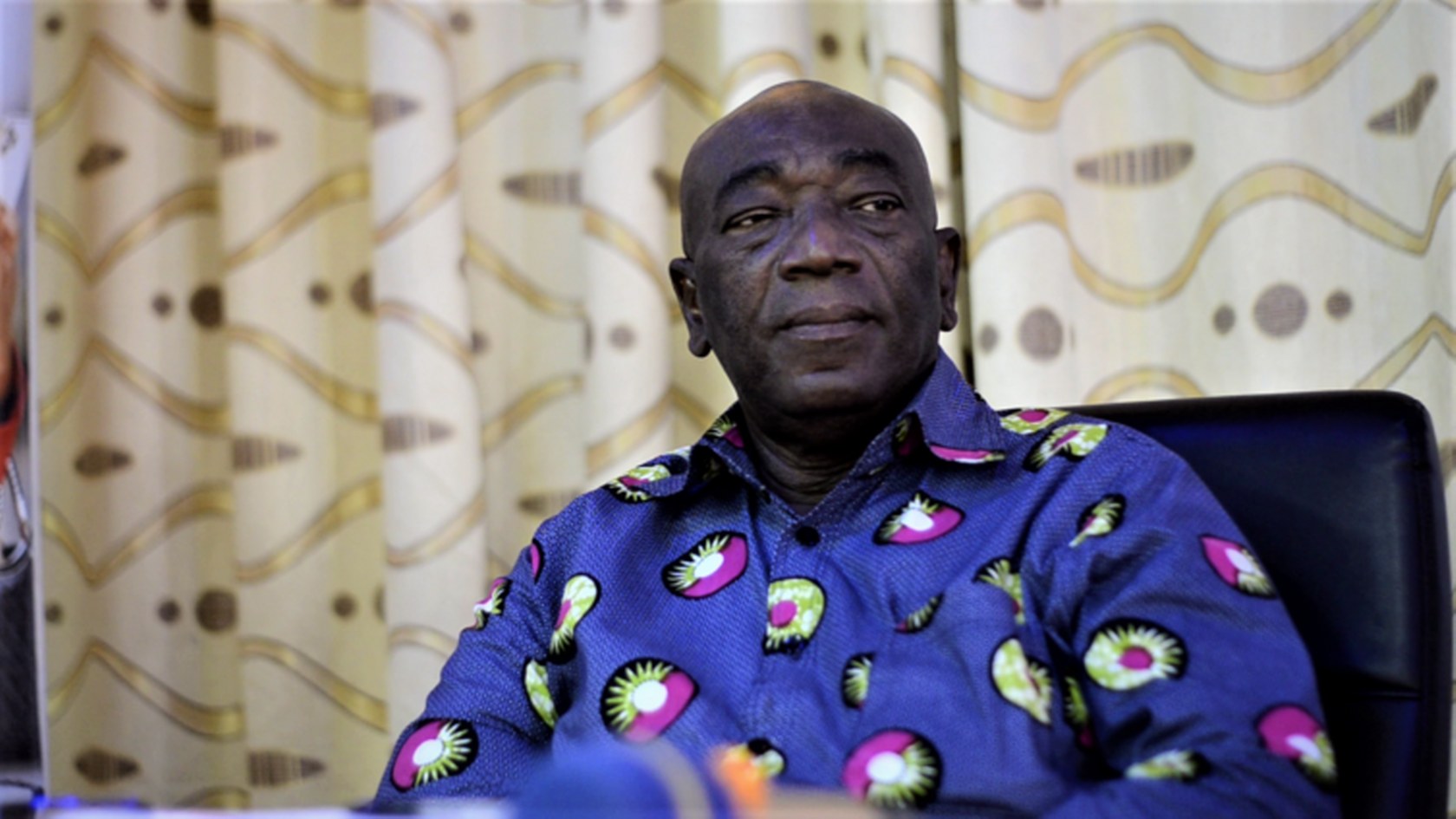
Ghana TUC: Demands Council of State Appointee Cap For Ghana Reform
Summary
- The Trades Union Congress (TUC) is advocating for reforms to Ghana's Council of State, specifically on September 9, 2026.
- The TUC proposes capping presidential appointees to the Council at a maximum of five members.
- This demand is part of the TUC's broader call for constitutional reforms, particularly targeting Article 89(2).
- The union argues that the current dominance of presidential appointees undermines the Council's effectiveness and responsiveness to citizens' expectations.
TUC Demands Council of State Reform
Changes to the Ghana Council of State composition, particularly regarding the TUC presidential appointee limit, could significantly impact the advisory landscape, influence policy formulation, and alter the dynamics of executive oversight.
The Trades Union Congress (TUC) in Ghana has recently advocated for significant changes to the structure of the nation's Council of State. On September 9, 2026, the TUC publicly called for a comprehensive overhaul of this advisory body, specifically targeting the number of members appointed directly by the President.
Central to the TUC's proposal is a strict limit on presidential appointments. The union asserts that the President should be permitted to name no more than five individuals to the Council. This proposed Ghana TUC Council of State appointee cap is presented as a crucial step towards enhancing the Council's operational effectiveness and ensuring it better addresses the expectations of Ghanaian citizens.
The TUC argues that the current composition, characterized by an overwhelming number of presidential appointees, detracts from the Council's ability to function optimally. They contend that this dominance by individuals selected by the executive branch ultimately undermines the body's independence and its capacity to serve as an impartial advisory organ. The TUC presidential appointee limit is therefore positioned as a necessary reform to restore balance and utility to the Council.
Legal and Constitutional Context
The call for reform by the Trades Union Congress is specifically directed at Article 89(2) of Ghana's constitution, which outlines the framework for the Council of State's composition. The TUC views the Council as a vital state institution, acknowledging its inherent value but emphasizing the urgent need for structural adjustments to fulfill its mandate effectively.
The union's position highlights a perceived imbalance within the current Ghana Council of State composition. They argue that the significant presence of members appointed by the President renders the Council less effective than it could be, suggesting that this arrangement is ultimately unhelpful for robust governance. This perspective underscores the TUC's broader engagement with proposed constitutional reforms, aiming to refine the foundational legal texts governing the nation.
By advocating for a reduction in presidential appointees to a maximum of five, the TUC seeks to address what it identifies as a critical flaw within the existing constitutional provisions. This specific demand for Article 89(2) constitutional reform is rooted in the belief that a more diverse and less executive-dominated Council would be better positioned to offer independent advice and truly represent the varied interests of the populace. The union stresses that while the Council remains a useful organ, its current structure impedes its ability to meet public expectations.
Why It Matters
The Trades Union Congress's push for a significant reduction in presidential appointees to Ghana's Council of State carries substantial implications for the country's governance framework and policy-making landscape. Should these proposed constitutional reforms, particularly concerning Article 89(2), be adopted, the very nature of the Council's advisory role could undergo a profound transformation.
A Council with fewer presidential appointees, as envisioned by the TUC, would likely foster greater independence and potentially lead to more diverse perspectives influencing national decisions. This shift could enhance the Council's credibility and its perceived responsiveness to the broader citizenry, moving away from what the TUC describes as an "overwhelming dominance" by executive selections. The ultimate goal, according to the union, is to ensure the Council operates as a truly effective and citizen-centric state organ.
For legal professionals and compliance officers operating within Ghana, monitoring these developments is paramount. Changes to the Ghana Council of State composition, particularly regarding the TUC presidential appointee limit, could significantly impact the advisory landscape, influence policy formulation, and alter the dynamics of executive oversight. Understanding these potential shifts is crucial for navigating future regulatory and governance environments in Ghana.
Practical Implications
Lawyers and compliance officers should monitor these proposed constitutional reforms, particularly concerning Article 89(2), as changes to the Council of State's composition could significantly impact governance, policy-making, and the advisory landscape in Ghana.
Source
How does this affect you?
Get an AI analysis of this article grounded in your jurisdictions, practice areas, and any policy documents you've uploaded to Wansom.
Finish Reading the Full Story and the Expert Analysis.
Get the latest legal & regulatory intelligence in Ghana
Wansom is AI and can make mistakes.