
TUC Ghana: Endorses CRC Recommendation for Ghana Land Vesting in People
Summary
- Ghana's Trades Union Congress (TUC) supports a Constitutional Review Committee (CRC) recommendation to vest national lands in the people, not the President.
- TUC Secretary-General Joshua Ansah stated this reform is crucial for improving land and natural resource management.
- The union also backs the CRC's proposal to reform the Lands Commission into the primary constitutional trustee and manager of Ghana's lands.
- The Ghanaian government has rejected all of the CRC's recommendations concerning lands and natural resources.
- The TUC expressed concern over the government's decision, questioning its rationale given long-standing issues with land management.
Key Advocacy for Land Reform
The union's continued support for the CRC's recommendations, despite the government's rejection, signals an ongoing debate that could have significant implications for land tenure and property rights in Ghana.
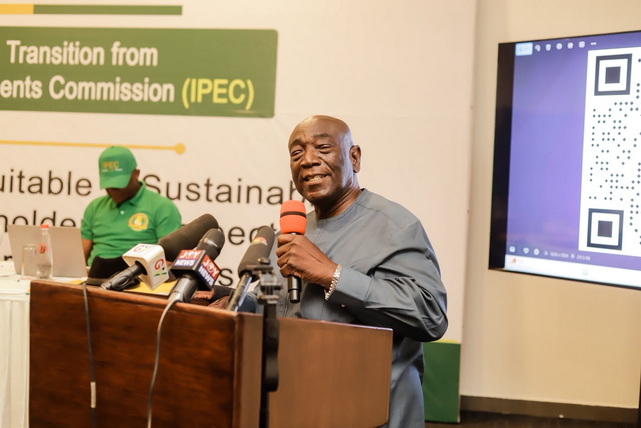
The Trades Union Congress (TUC) in Ghana has publicly endorsed a significant recommendation put forth by the Constitutional Review Committee (CRC), advocating for a fundamental shift in the ownership structure of the nation's land. This pivotal proposal seeks to vest Ghana's lands directly in its people, moving away from the current system where land is vested in the President. Speaking at a recent press briefing, Joshua Ansah, the Secretary-General of the TUC, articulated the union's strong belief that such a reform is essential for enhancing the overall management of the country's land and natural resources. He emphasized that this change would directly address long-standing issues and concerns regarding the administration of these vital assets. The TUC's stance highlights a concerted effort to reshape Ghana land vesting people CRC TUC discussions around national resource governance.
The union's support extends beyond just the principle of vesting land in the populace. The TUC has indicated its agreement with the broader set of recommendations from the CRC, which aim to introduce comprehensive reforms to the existing legal framework governing Ghana's lands and natural resources. Specifically, the TUC affirmed its position, stating that it concurs with the recommendation to transfer land ownership to the citizens of Ghana, rather than maintaining it under the President's authority. This endorsement underscores a desire for a more decentralized and citizen-centric approach to land tenure and management across the nation.
Contrasting Visions for Land Governance
Further solidifying its vision for a reformed land administration, the Trades Union Congress also expressed its full backing for the proposed restructuring of the Lands Commission. The CRC's recommendations suggest that the Lands Commission should be reformed to assume the critical role of the primary constitutional trustee and manager of all lands within Ghana. This proposed enhancement of the Commission's mandate is seen by the TUC as a crucial step toward establishing a more effective and accountable system for land governance. The union believes that empowering the Lands Commission in this manner would significantly contribute to the transparent and equitable management of the country's land assets.
However, this push for reform faces a significant hurdle: the government's outright rejection of all recommendations made by the Constitutional Review Committee concerning lands and natural resources. The TUC voiced considerable concern over this decision, describing it as "strange" given the persistent historical and contemporary issues surrounding the management of Ghana's lands and natural resources. The union openly questioned the rationale behind dismissing all the CRC's proposals, especially considering the potential for these reforms to bring about much-needed improvements in the administration of the nation's natural wealth. This firm stance by the Ghana government CRC land rejection creates a clear divergence in approaches to future land policy.
Addressing Systemic Challenges and Future Outlook
The TUC's advocacy underscores a deep-seated belief that the proposed changes are not merely administrative adjustments but are fundamental to addressing systemic challenges in Ghana's land administration reform efforts. The union's Secretary-General highlighted the necessity of these reforms to rectify historical grievances and contemporary inefficiencies that have plagued the management of Ghana natural resources management. By advocating for land to be vested in the people and for a stronger, reformed Lands Commission, the TUC aims to foster a system that is more responsive to the needs of citizens and more effective in safeguarding national assets.
The union's continued support for the CRC's recommendations, despite the government's rejection, signals an ongoing debate that could have significant implications for land tenure and property rights in Ghana. The TUC's questioning of the government's decision, particularly in light of the "historical and contemporary concerns" over land and natural resource management, suggests that the issue remains a live one. This persistent advocacy from a major labor organization like the Trades Union Congress Ghana land indicates that discussions around these critical reforms are likely to continue, potentially influencing future legislative or policy shifts. The call for a new legal framework governing these resources reflects a broader national conversation about equitable access and sustainable management.
Practical Implications
Lawyers and compliance officers involved in land transactions, property development, or natural resource projects in Ghana should monitor ongoing debates regarding land ownership and administration. While the government has rejected the CRC's recommendations to vest land in the people, the TUC's continued advocacy signals potential future legislative or policy shifts that could impact land tenure systems and property rights.
Source
How does this affect you?
Get an AI analysis of this article grounded in your jurisdictions, practice areas, and any policy documents you've uploaded to Wansom.
Finish Reading the Full Story and the Expert Analysis.
Get the latest legal & regulatory intelligence in Ghana
Wansom is AI and can make mistakes.