
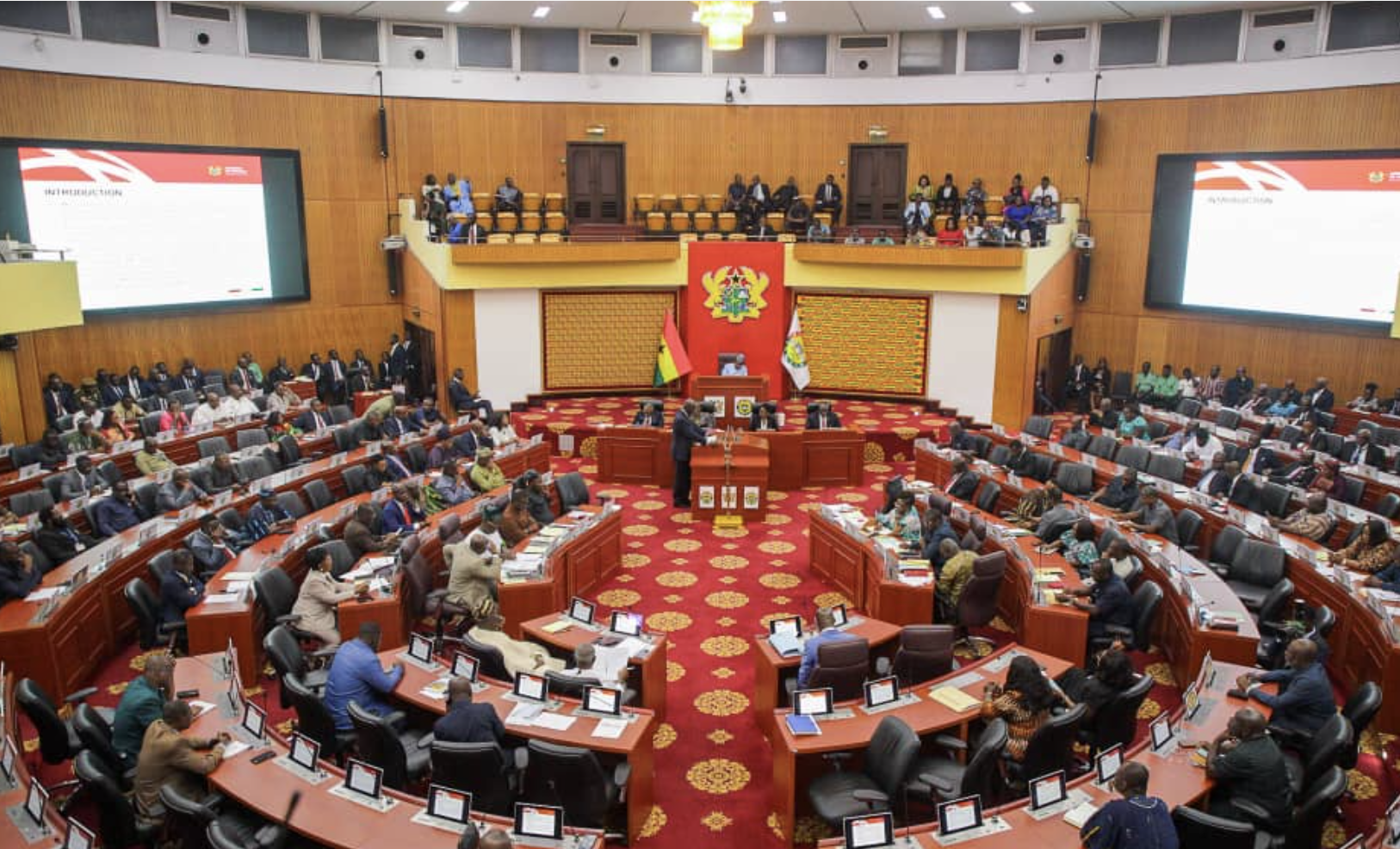
Ghana: MP Immunity From Arrest Limits Are Not Absolute
Summary
- Ghana's parliamentary privilege originates from the Westminster tradition.
- Its core purpose is to safeguard the independence of the legislature from executive and judicial interference.
- This privilege is not absolute and has well-defined boundaries.
- Members of Parliament are not considered to be above the law due to this immunity.
Understanding Legislative Immunity in Ghana
Crucially, the existence of parliamentary privilege does not, under any circumstances, imply that Members of Parliament are positioned above the general law of the land.
Ghana's parliamentary privilege, a cornerstone of its legislative framework, draws its fundamental principles from the venerable Westminster tradition. This historical lineage underscores the core philosophy behind granting certain immunities to elected representatives. The overarching objective of establishing such privilege is to meticulously safeguard the independence of the legislature, ensuring that its members can fulfill their constitutional duties without impediment. This protection is vital for the robust functioning of a democratic state, allowing for unhindered debate, scrutiny, and law-making processes.
The design of this privilege specifically aims to shield the legislative arm from any undue interference emanating from either the executive or the judiciary. By insulating Members of Parliament (MPs) from potential arbitrary actions by other branches of government, the system ensures that legislative functions, including critical oversight and policy formulation, can proceed autonomously. This structural safeguard is intended to prevent situations where external pressures could compromise the integrity or effectiveness of parliamentary proceedings, thereby upholding the separation of powers inherent in Ghana's governance model.
Defining the Scope and Limits
Despite its crucial role in protecting legislative independence, it is imperative to understand that parliamentary privilege in Ghana has never been conceived as an absolute entitlement. This fundamental limitation is a key aspect of Ghana parliamentary privilege scope, distinguishing it from an unfettered right. The historical development and constitutional application of this immunity consistently demonstrate that its boundaries are well-defined, ensuring it serves its intended purpose without creating an unchecked class of individuals.
Crucially, the existence of parliamentary privilege does not, under any circumstances, imply that Members of Parliament are positioned above the general law of the land. This principle directly addresses Ghana MP accountability law, clarifying that while certain protections exist for legislative duties, these do not extend to granting blanket immunity from legal obligations applicable to all citizens. The Ghana Constitution parliamentary immunity provisions, therefore, are designed to facilitate legislative work, not to exempt individuals from criminal or civil liability for actions unrelated to their parliamentary functions. This nuance is critical for maintaining public trust and upholding the rule of law.
Implications for Accountability
The established Ghana MP immunity from arrest limits underscore a vital balance between legislative freedom and individual accountability. While MPs are granted specific protections to ensure they can perform their roles without fear of arbitrary detention or legal harassment directly linked to their parliamentary duties, these safeguards do not create a legal vacuum around their personal conduct. The framework acknowledges that an MP, like any other citizen, is subject to the nation's laws concerning personal actions and responsibilities.
This clear delineation means that instances of alleged wrongdoing outside the direct scope of legislative functions can and should be addressed through the standard legal processes. The Westminster parliamentary privilege Ghana has adopted, therefore, is not a license for impunity but rather a carefully calibrated mechanism to protect the institution of Parliament itself. It ensures that the pursuit of justice and the enforcement of the law can proceed without undermining the essential independence of the legislative branch, while simultaneously holding elected officials accountable for their actions.
Practical Implications
This article clarifies that parliamentary privilege in Ghana, while safeguarding legislative independence, is not absolute and does not place Members of Parliament above the law. Lawyers and compliance officers should note these defined limits when advising on matters involving MPs, particularly concerning potential arrests or accountability, ensuring they do not assume blanket immunity.
Source
How does this affect you?
Get an AI analysis of this article grounded in your jurisdictions, practice areas, and any policy documents you've uploaded to Wansom.
Finish Reading the Full Story and the Expert Analysis.
Get the latest legal & regulatory intelligence in Ghana
Wansom is AI and can make mistakes.